Root Vegetables Nutritional Benefits: 2026 Overview of Underground Nourishment
Few food groups capture the blend of comfort and nutrition as effectively as root vegetables. Grown beneath the soil, these edible underground parts—roots, tubers, bulbs, corms and rhizomes—store water, minerals and carbohydrates that fuel both plants and people. The culinary community in 2026 continues to rediscover roots for their flavor, texture and nutrient density.
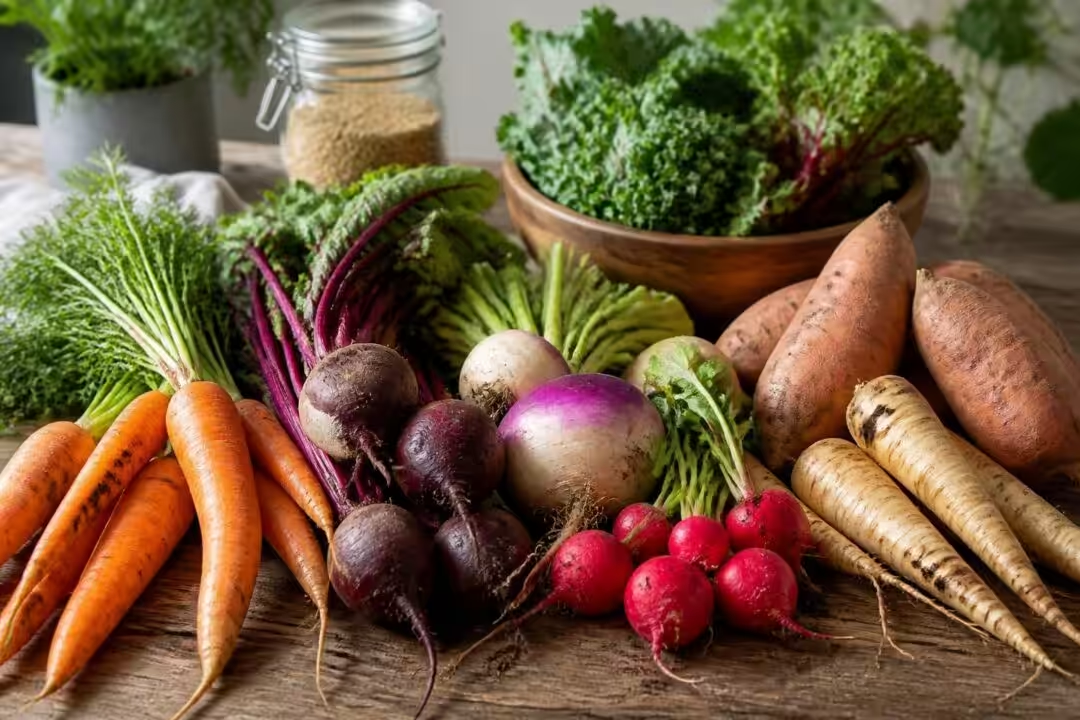
Botanically, the term “root vegetables” spans several plant structures. True roots include carrots and parsnips, while tubers like sweet potatoes and yams hold concentrated starch. Bulbs such as onions and garlic add aromatic depth to dishes, and rhizomes like turmeric and ginger offer potent phytochemicals. This diversity explains why roots appear across cuisines, from Northern Mediterranean plates to Latin American street food.
Botanical categories and culinary roles
Understanding the botanical differences clarifies how each root behaves in cooking. Tubers tend to be starchier and benefit from roasting or mashing. Bulbs release flavor quickly when sautéed, while rhizomes are often grated or steeped to extract their active compounds. These distinctions inform both nutrition and technique: for example, resistant starch content in certain tubers influences glycemic response, while volatile oils in bulbs affect digestion and microbial balance.
Seasonality also plays a role. Most roots thrive in cooler weather; as temperatures drop, starches convert to sugars and develop richer flavors. This natural transformation makes late autumn and winter the ideal time to capitalise on both taste and storage life. In 2026, chefs and home cooks are intentionally planning menus around this seasonal cadence.
2026 culinary and nutrition trends involving roots
Several food trends in 2026 emphasize root vegetables. Restaurants are leaning into roasted root medleys and root-based purées as both comfort fare and upscale sides. Fermented root preparations are gaining traction for their probiotic potential, and plant-forward cafés showcase roots in bowls, chips and innovative desserts. The revival of Northern Mediterranean techniques highlights roots as hearty anchors alongside legumes, olive oil and whole grains.
At the intersection of sustainability and flavor, roots are also prized for their low waste potential. Many varieties store well with minimal refrigeration, reducing food loss in small-scale kitchens. This attribute has inspired community kitchens and farm-to-table operations to feature root-centric menus through cooler months in 2026.
For illustration, a fictional micro-restaurant named Harvest Hearth has built a small menu around roots: roasted beet and orange salad, purple sweet potato mash with herb gremolata, and fermented daikon pickles served as condiments. The establishment sources imperfect roots from local farms, converting overlooked produce into signature dishes. Such operations demonstrate how roots can be both economical and evocative.
Root vegetables thus occupy a unique place where ecology, nutrition and gastronomy converge, and their variety invites continual reinvention. The essential insight: roots are foundational ingredients that combine seasonal resilience with deep nutritional value.
Complex Carbohydrates, Fiber, and Prebiotics: Energy and Gut Health from Root Vegetables
Complex carbohydrates are the hallmark of many root vegetables, providing steady energy and satiety. Unlike simple sugars, the starches and fibers in roots release glucose gradually, helping to moderate blood sugar and sustain activity. This quality makes roots especially valuable in menus designed for balanced, long-lasting fuel.
One important category within these carbohydrates is resistant starch. Found in cooled potatoes and some tubers, resistant starch resists digestion in the small intestine and reaches the colon, where it acts as a substrate for beneficial microbes. This fermentation produces short-chain fatty acids such as butyrate, which support colon health and metabolic regulation.
Prebiotic fibers and lesser-known roots
Some roots offer prebiotic fibers that selectively nourish gut bacteria. Yacon, for example, contains high levels of fructooligosaccharides (FOS) and inulin—compounds that feed bifidobacteria and lactobacilli. In 2026, yacon appears more frequently in functional beverages and plant-based probiotic carriers because it can enhance gut health without dairy.
Other roots contribute viscous fibers that aid digestion and cholesterol management. The combined action of soluble and insoluble fibers in a mixed-root diet promotes regularity and supports a diverse microbiome. For consumers seeking to improve gut function, integrating a variety of roots across meals is an evidence-backed strategy.
Practical culinary approaches and portioning
Cooking method affects carbohydrate behavior. Cooling cooked tubers increases resistant starch content, a technique usable in meal prep—cook and chill potatoes or taro, then reheat lightly for salads or bowls. Roasting preserves texture while concentrating sugars for palatable sides. Light steaming can retain vitamins while keeping starches accessible.
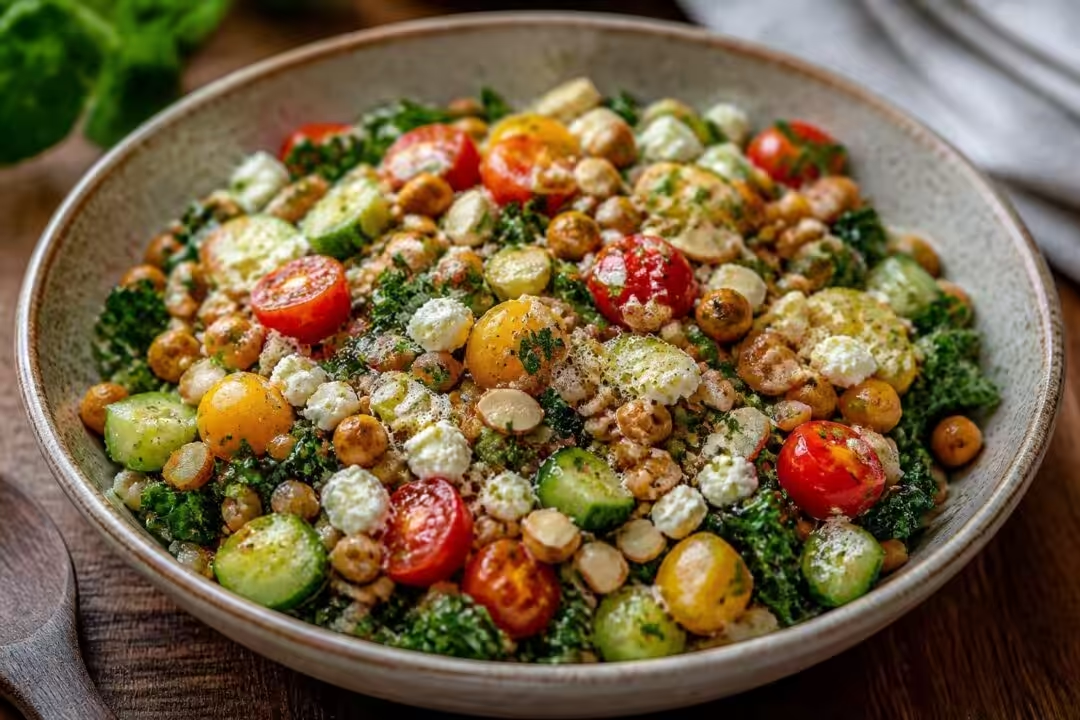
Portioning is simple: pair a starchy root with a protein and green vegetable to create balanced plates. For a lunch bowl, combine roasted sweet potato cubes with grilled chickpeas and a kale salad dressed with lemon-tahini. For snacks, thinly sliced root chips baked at low temperature provide crunch with less oil than traditional frying.
Below is a compact reference table showing typical nutrients for common roots, useful for menu planners and home cooks who want quick comparisons. Each value is presented qualitatively to reflect their functional roles rather than exact numerics.
| Root 🍽️ | Key Carbohydrate Role 🍞 | Notable Fiber / Prebiotic 🌱 | Distinct Benefit ✨ |
|---|---|---|---|
| 🥕 Carrot | Complex starches | Moderate insoluble fiber 🟢 | Beta-carotene for vision 👀 |
| 🍠 Sweet potato | Digestible starch; reheating boosts RS | Soluble fiber; good satiety 🍽️ | Rich in vitamin A precursors 🌞 |
| 🥔 Potato | High starch; resistant starch when cooled ❄️ | Moderate resistant starch | Versatile energy source 🔋 |
| 🍠 Yacon | Low-calorie sweet root | High FOS and inulin 🌿 | Prebiotic support for gut microbes 🧬 |
| 🪴 Beet | Natural sugars plus fiber | Moderate soluble fiber | Nitrate-rich for circulation ❤️ |
For a practical shopping list, consider this small set of pantry-forward roots that support gut health and energy balance:
- 🥕 Carrots — versatile and vitamin-rich
- 🍠 Sweet potatoes — reheatable for resistant starch
- 🥔 Potatoes — inexpensive energy with RS potential
- 🍠 Yacon — specialty prebiotic ingredient
- 🫛 Beets — nitrates and earthy sweetness
Integrating a mix of roots across the week supports both glycemic balance and microbiome diversity, making them culinary allies in resilient diets. The key takeaway: roots deliver complex carbs and prebiotic fibers that underpin sustained energy and gut health.
Vitamins, Minerals and Antioxidants in Root Vegetables: Immunity and Metabolic Support 2026
Root vegetables are often understated carriers of essential micronutrients. While starchy profile defines their macronutrient role, a closer inspection reveals significant amounts of vitamins, minerals and plant pigments that support immunity and metabolic pathways. These attributes make roots an efficient strategy to densify dishes with nutrients.
Many roots contribute appreciable vitamin C and potassium, minerals essential for electrolyte balance and cellular function. Carrots and sweet potatoes stand out for their carotenoid content—particularly beta-carotene—a provitamin A compound that supports vision, immune competence and cellular differentiation. In 2026, beta-carotene-rich preparations remain staples for seasonal menus aimed at bolstering immunity.
Antioxidant pigments and metabolic benefits
Deeply colored roots like beets and purple sweet potatoes contain anthocyanins and betalains, powerful antioxidants linked to reduced oxidative stress. Research continues to show that these pigments modulate inflammation and protect cellular membranes from free radical damage. Purple varieties, in particular, are gaining attention for potential benefits in metabolic health and recovery after exercise.
Beetroot has a more specific functional role: it is a natural source of dietary nitrates that the body converts into nitric oxide. This molecule dilates blood vessels, which can support healthier blood pressure and improved blood flow during physical activity. In culinary practice, beetroot juice or roasted beet purées are used not just for color but for measurable physiologic effects.
Trace minerals and enzymatic cofactors
Other roots supply trace minerals crucial for enzymatic reactions. For instance, turmeric and certain yams contribute manganese, a cofactor in energy metabolism and antioxidant enzyme systems. Garlic and onion deliver sulfur compounds and micronutrients that activate detoxification pathways in liver cells. These molecular interactions underscore why traditional diets have long paired roots with proteins and fermented foods to optimize absorption and function.
For menu developers, highlighting these micronutrient functions adds storytelling value. A seasonal plate showcasing roasted purple sweet potato with citrus and a sprinkle of toasted seeds can be marketed as both visually attractive and nutrient-dense. Patrons increasingly appreciate such transparency in 2026, responding to menus that explain how ingredients support daily wellbeing.
To illustrate the practical overlap of nutrients and dishes, consider a community kitchen case: Harvest Hearth runs a winter program offering a “Root Immunity Bowl” combining roasted beets, carrot ribbons, steamed greens and a garlic-lemon dressing. This bowl intentionally pairs vitamin C and iron-enhancing practices by adding lemon, improving iron absorption from plant sources. Such small techniques translate biochemical principles into accessible food experiences.
When assembling plates, chefs and home cooks are encouraged to keep skins on where safe, as the peels often concentrate minerals and fiber. Minimizing over-boiling and preferring roasting or steaming preserves water-soluble vitamins like vitamin C. Consumers seeking targeted benefits—circulation, antioxidant support or vitamin A intake—can select specific roots and cooking methods accordingly.
In sum, root vegetables act as compact micronutrient carriers that complement their carbohydrate role. The practical insight: selecting colorful roots and mindful preparation amplifies their immune and metabolic support.
Medicinal Properties and Culinary Techniques: Transforming Roots into Therapeutic Dishes
Root vegetables occupy a long-standing place in traditional medicine, and contemporary science has validated many of those applications. Across cultures, roots were prized for promoting strength, aiding digestion and balancing inflammation. Modern kitchens are translating these medicinal properties into approachable dishes that function as both nourishment and therapy.
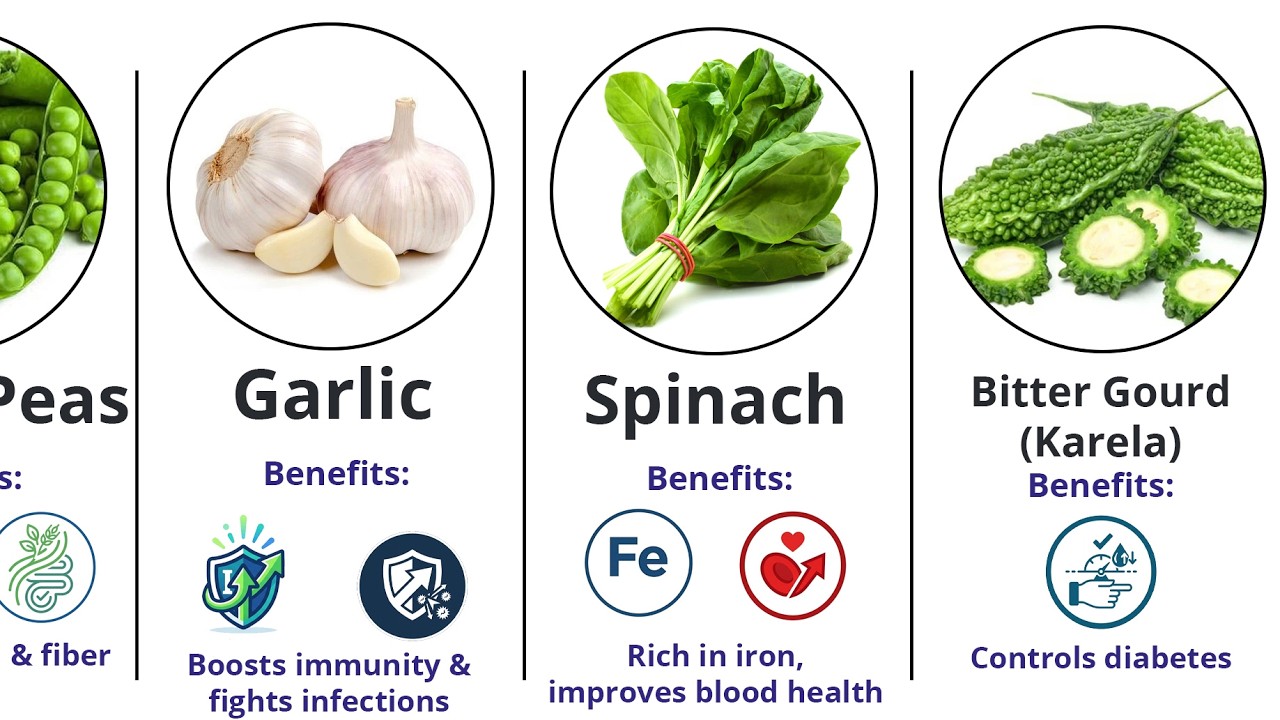
Key phytochemicals underpin therapeutic actions. For example, glucosinolates present in radishes, daikon and certain alliums stimulate liver detoxification enzymes. Garlic contains sulfur compounds with anti-inflammatory effects and cardiovascular benefits. Ginger and turmeric—rhizomes rather than true roots—deliver gingerols and curcuminoids known for their antiemetic and anti-inflammatory activities.
Case study: Harvest Hearth’s approach to medicinal menus
A fictional yet instructive example is the neighborhood restaurant Harvest Hearth, which runs a small-series dinner pairing medicinal roots with clear culinary narratives. One evening features a beet and ginger broth designed to support circulation and digestion. The kitchen sources fresh beets and simmers them gently with slices of ginger, adding a splash of citrus at service to enhance nutrient absorption. Patrons report improved satiety and a pleasant warming effect—anecdotal but consistent with known bioactivity.
Another menu item utilizes fermented daikon as a digestive condiment. Fermentation amplifies probiotic potential and introduces lactic acid bacteria that can modulate gut ecology. Small servings alongside heavier proteins ease digestion and provide a tangy counterpoint, illustrating how flavor and function combine.
Cooking methods that preserve or enhance medicinal compounds
Technique matters. Light steaming preserves vitamin C and delicate carotenoids, while roasting concentrates sugars and can increase palatability which may encourage higher vegetable intake. Low-temperature drying retains much of a root’s active compounds for spice blends or powders—turmeric and ginger powders are examples already common in 2026 pantry use.
Fermentation deserves special attention. Pickling and lacto-fermentation of roots maintain crunch and amplify health benefits. Fermented carrots, beets and daikon are both shelf-stable and microbiome-supportive. These preparations are easily implemented in commercial kitchens and households alike.
For home cooks looking to apply these techniques, simple recipes work best. A ginger-turmeric steeped broth can be made by simmering sliced rhizomes with onion, lemon peel and black pepper, yielding an anti-inflammatory base for soups. A chilled potato salad prepared from reheated-and-cooled potatoes introduces resistant starch into the meal while remaining familiar and satisfying.
What about interactions and timing? Combining vitamin C-rich dressings with iron-containing roots or legumes enhances plant iron uptake. Serving pungent roots like garlic near meals can modulate postprandial inflammation. These small pairing strategies turn ordinary plates into considered therapeutic menus.
The tangible link between tradition and evidence means kitchens can craft dishes that are both pleasurable and purpose-driven. The operational insight: apply gentle techniques and wise pairings to magnify the medicinal potential of roots.
Sustainable Sourcing, Storage and Menu Innovation with Root Vegetables in 2026
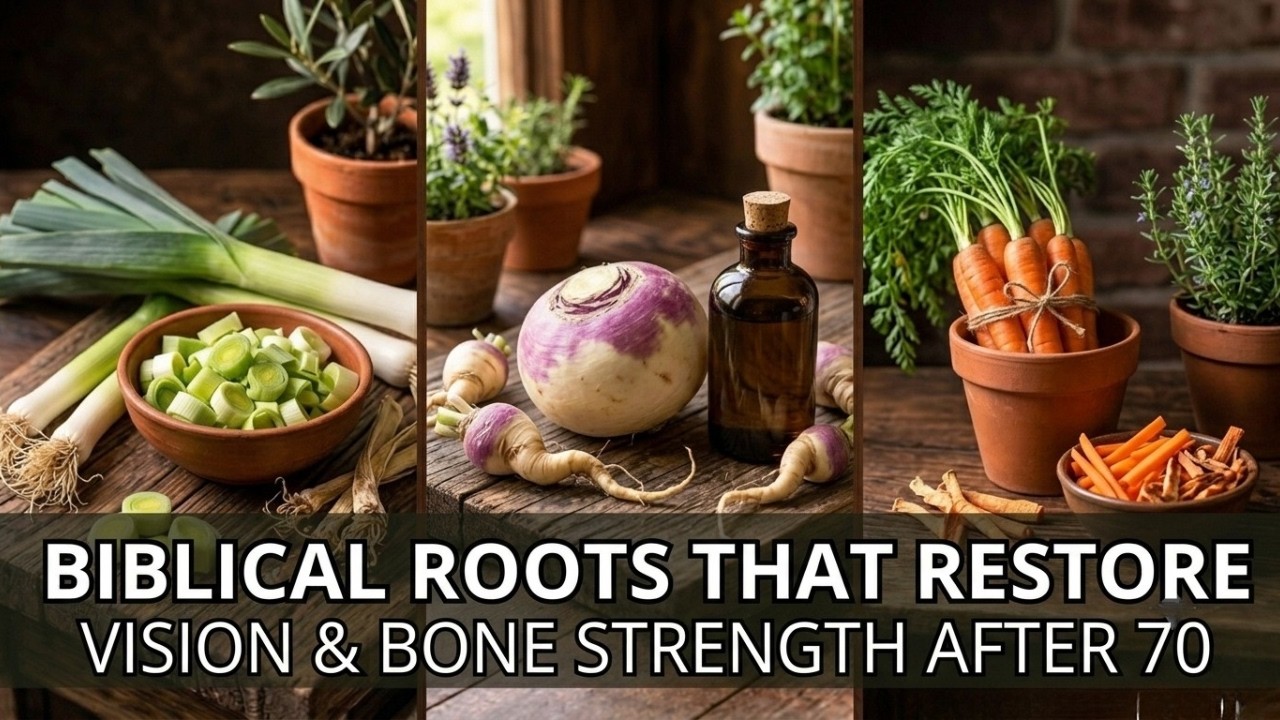
Root vegetables align naturally with sustainable food systems. Their long shelf life, adaptability to cool climates and compatibility with low-input farming make them valuable for resilient supply chains. In 2026, chefs and food entrepreneurs increasingly prioritize roots to reduce waste and create year-round menus that respect seasonal cycles.
Sourcing often focuses on imperfect or “ugly” roots that supermarkets reject. Small operations like Harvest Hearth partner with local farms to procure these lots, transforming surplus into roasted medleys, purees and pickles. This approach reduces food loss, supports regional growers, and introduces customers to novel flavors and textures.
Storage best practices to preserve nutrition and flavor
Proper storage is simple yet impactful. Most roots prefer cool, dark, humid conditions. Avoid refrigeration for some (like onions) and use crisper drawers or root cellars for others (like carrots and beets). Keeping skins intact where safe preserves fiber and antioxidants, while gentle trimming and periodic checks reduce spoilage.
Batch-cooking and preservation techniques extend utility: roast-and-freeze portions of mashed sweet potato for later reheating, ferment a jar of daikon to add brightness to multiple meals, or dehydrate thin slices for shelf-stable chips. These methods maintain nutritional value while offering convenience to busy kitchens.
Menu innovation: trends and practical ideas for 2026
Menu experts in 2026 are exploring roots in unexpected contexts: root-based desserts (sweet potato tarts, beet chocolate cakes), savory-confit alliums as condiments, and root purées that replace cream in sauces. Plant-forward restaurants incorporate roasted root boards as shareable items, paired with fermented dips and toasted seeds for texture contrast.
For food businesses, roots provide cost-effective menu engineering. A single bag of mixed roots can generate multiple dishes across a week—roasted mains, blended soups, pickled side dishes—maximizing ingredient ROI. Marketing can spotlight sustainability and seasonality, connecting patrons to local farms and the story behind each plate.
To help operationalize ideas, here are recipe concepts that work in both home and professional settings:
- 🍽️ Roasted Winter Medley: beets, parsnips and carrots with herb gremolata
- 🥣 Fermented Root Relish: daikon and carrot pickles as a sandwich condiment
- 🍰 Sweet Potato Mousse: blended with citrus and a touch of maple for dessert
- 🔥 Smoky Root Chips: thin taro and sweet potato chips baked with smoked paprika
- 🌿 Turmeric-Ginger Broth: anti-inflammatory base for soups and bowls
In supply chain terms, roots support decentralized food economies. Community storage, cooperative purchasing and farm-to-kitchen collaborations stabilize availability and prices. In 2026, these models contribute to resilient urban foodscapes and hyper-local menus that delight diners and sustain producers.
Ultimately, the strategic use of root vegetables blends economy, ecology and excellence. The concluding insight for chefs and cooks is clear: roots are sustainable, versatile building blocks for inventive and resilient menus.

Hi, I’m Landon Brooks. I am the editor-in-chief of Cook and Design, but for the first decade of my working life I was actually a product designer in New York.