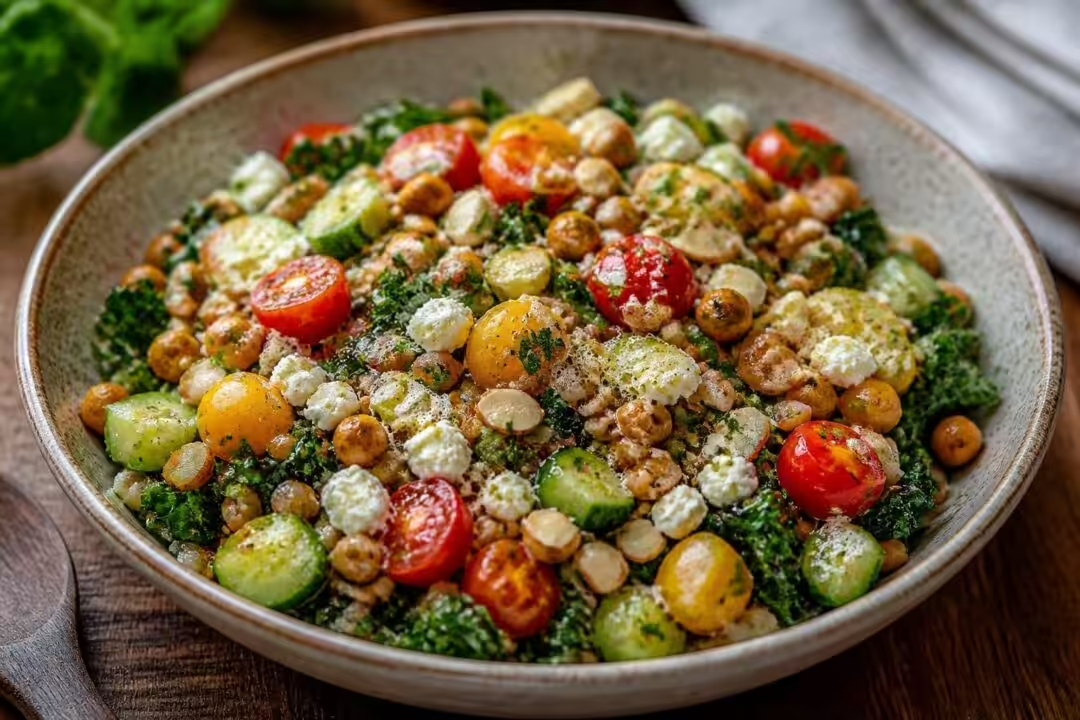
Farro Salad: the Nutty Grain Bowl With a Sizzled Dressing — Why This Chewy Grain Salad Tastes So Complete
A farro salad can feel like a full meal when chew, acidity, creaminess, and aroma are designed to land in the same bite. This is exactly what happens when toasted farro meets burst tomatoes, tender greens, and a warm dressing that carries garlic plus toasted spices. The result is not “just another grain bowl,” but a dish with a clear point of view: rustic, bright, and deeply satisfying 🥣.
Farro brings the kind of texture that rice rarely delivers and pasta can’t mimic without going soft. When it’s toasted briefly before simmering, the grain picks up a deeper, nutty edge—almost like the difference between raw and toasted bread. That extra step doesn’t lengthen the cook time much, but it shifts the flavor from mild to memorable, which matters when the salad is meant to be eaten at room temperature.
The tangy backbone is another quiet detail that changes everything. Cooking the grain with a measured amount of vinegar and salted water means the farro is seasoned from the inside out. Instead of relying on a last-minute vinaigrette to do all the work, the base itself tastes lively, so every add-in feels more intentional.
Burst tomatoes contribute more than sweetness. Roasted grape or cherry tomatoes wrinkle, concentrate, and release juices that become a second dressing once they hit the bowl. That tomato liquor mingles with olive oil and the toasted spice notes, creating a savory-sweet glaze that clings to the grain rather than pooling at the bottom.
To keep the salad from feeling heavy, greens and alliums are used as “fresh brakes.” Baby spinach adds soft vegetal bitterness, while thinly sliced shallot (eschallot) offers a crisp, almost fruity onion note. When the hot dressing hits the shallot, it takes the raw edge off without turning it into mush—an ideal middle ground for a bowl meant to hold up for days.
A small crumble of goat cheese or Danish feta is the creamy counterpoint. Goat cheese melts slightly into the warm grain, creating little tangy pockets. Danish feta stays more intact and creamy, making the bowl feel richer. Either way, the dairy functions like a volume knob for sharpness: it rounds the vinegar tang, softens garlic intensity, and makes each forkful taste composed.
For a thread that ties technique to real life, imagine a tiny studio lunch routine: a hypothetical design lead named Mara builds weekday lunches that survive meetings and commutes. On Monday, the salad is eaten at room temperature—chewy, bright, and aromatic. By Wednesday, it’s even better because the toasted farro has absorbed tomato juices and spice-scented oil, turning “leftovers” into the goal.
This section’s key takeaway is simple: the salad tastes finished because the base is treated like a main ingredient, not a blank canvas ✅.
Farro Salad With Sizzled Garlic-Cumin Dressing — Ingredient Roles, Smart Swaps, and Flavor Architecture
Great salads aren’t built by piling ingredients together; they’re built by assigning each component a job. In this farro salad, every element has a clear role: structure from the grain, sweetness from roasted tomatoes, freshness from greens, sharpness from onion, creaminess from cheese, and a warm aromatic “top note” from sizzling garlic and spices 🌿.
The farro choice matters. Whole farro is the most chewy and nutty, but it takes longer to simmer. Semi-pearled or pearled farro cooks faster, though it can be slightly less robust. If a grocery run turns up only Italian pearled farro, the bowl still works—just check tenderness earlier and aim for a firm, pleasant bite rather than softness.
the vinegar-in-the-pot approach can sound unusual to cooks who were taught to keep acids away from grains. Here, that rule is bent on purpose. A moderate quantity of apple cider vinegar gives the farro a gentle tang that echoes the acidity usually added at the end. That internal seasoning means the salad stays exciting even after refrigeration, when flavors typically dull.
Tomatoes are selected for their “burst” quality. Grape and cherry tomatoes roast quickly, wrinkle on the skin, and stay juicy inside. Large tomatoes can be used in a pinch, but they tend to collapse into a wetter sauce and lose the playful pop that makes this bowl feel dynamic. The goal is not a tomato stew; it’s concentrated sweetness with controlled juice release.
Shallot (often labeled eschallot) is the preferred allium because it’s aromatic but not harsh. Red onion is a workable substitute, but it benefits from slicing extra-thin. When the hot dressing is poured over the allium, it lightly softens the bite and perfumes the grain—an effect that’s difficult to replicate with a cold vinaigrette.
Spinach is the “tender green” option because it wilts just enough from residual heat, weaving itself through the farro. Arugula (rocket) is another strong choice when a peppery note is desired. A simple decision can steer the salad’s personality: spinach makes it cozy; arugula makes it sharper and more assertive.
Cheese selection changes the finish. Goat cheese brings bright tang and a melt-in quality. Danish feta gives a creamy, salty richness that holds its crumble. Greek feta tends to be firmer and saltier; it works, but a smaller amount is often enough. Whichever cheese is chosen, it should read as accent and binder, not the whole story.
Now the signature: the sizzled dressing. Olive oil carries toasted coriander and cumin—two spices that feel familiar in Mediterranean and Middle Eastern cooking. The brief toasting wakes up the seeds’ essential oils, producing a rounded, warm fragrance. Garlic goes in after the seeds so it turns pale gold, not brown; brown garlic can taste bitter, and bitterness fights the tomato sweetness.
For cooks who like a controlled workflow, the ingredients can be grouped by function. This also makes shopping and prep less chaotic:
- 🥣 Base: farro, water, salt, apple cider vinegar
- 🍅 Roast: grape/cherry tomatoes, olive oil, salt, black pepper
- 🥬 Fresh lift: baby spinach (or arugula), shallot
- 🧀 Creamy balance: goat cheese or Danish feta
- 🔥 Aromatic finish: olive oil, garlic, coriander seeds, cumin seeds
A useful insight for the next section: when ingredients have clear roles, technique becomes easier—because every step is designed to protect texture and amplify aroma.
To see the flavor direction in action, it helps to watch a version of this salad being assembled and dressed warm.
How to Make Farro Salad With Sizzled Dressing — Techniques That Create Nutty Depth and Tangy Bite
Execution is where this bowl becomes special. The method isn’t complicated, but it’s specific: toast the grain, roast the tomatoes, simmer farro with seasoning and vinegar, then apply a hot dressing that blooms spices and gently softens alliums. Each step is short; the impact is big 🔥.
Toasting Farro and Roasting Tomatoes for Layered Flavor
The oven does double-duty. Farro is spread dry on a tray and heated briefly until it shows toasted flecks and releases a nutty smell. Meanwhile, tomatoes roast below, coated with olive oil, salt, and pepper. The tomatoes should wrinkle and soften while still holding shape—this prevents the salad from turning watery.
This simultaneous roasting creates a useful timing rhythm: by the time the farro is toasted, the tomatoes are concentrated and sweet. Cooling the tomatoes on the tray keeps their juices where they belong, ready to pour into the bowl rather than lost on a cutting board.
Simmering Farro With Vinegar for a “Pre-Dressed” Grain
Instead of boiling farro in plain water, it’s simmered in a mixture of water, salt, and apple cider vinegar. The vinegar is not meant to scream “pickled.” It’s meant to create a gentle tang that keeps the grain from tasting flat after chilling.
Cook time commonly lands around 40–45 minutes for whole farro, but the best gauge is the bite: tender and plump, with a slight chew, no hard center. If the pot dries out early, a splash of water fixes the issue without damaging flavor.
The Sizzled Dressing: Timing, Temperature, and Aroma Control
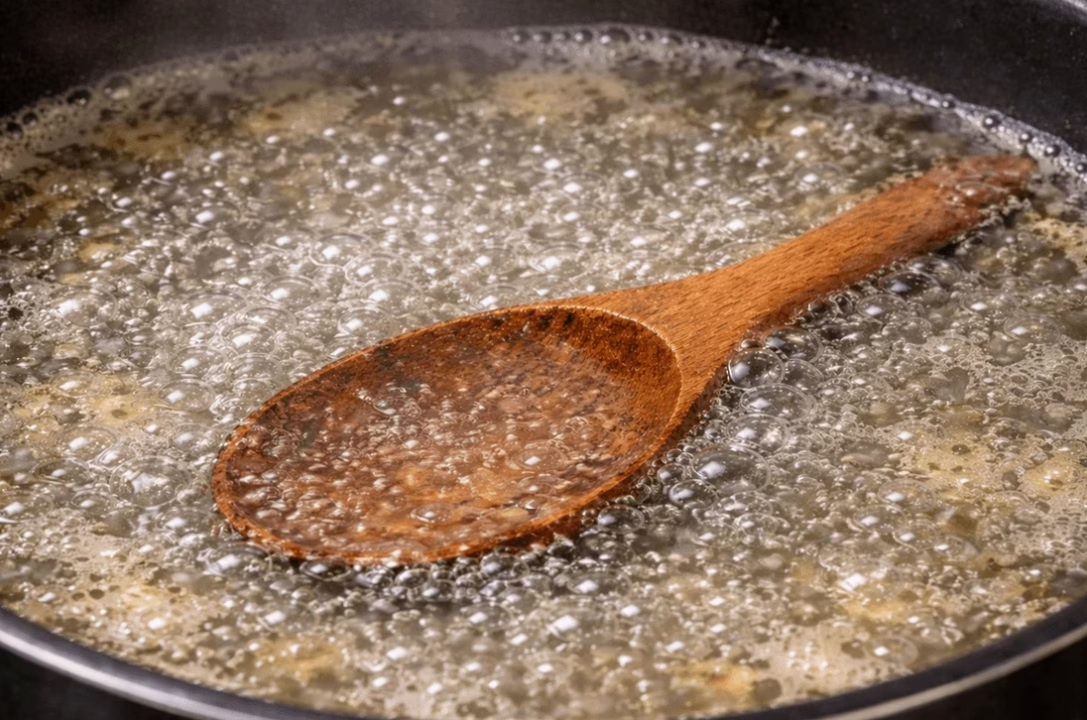
The warm dressing is where many cooks either win big or accidentally go bitter. The correct order is simple: warm olive oil over medium-low heat, toast coriander and cumin briefly until fragrant, then add minced garlic for a short sizzle until just pale gold. The garlic should never reach deep brown.
Pouring the hot oil over the sliced shallot sitting on warm farro creates a gentle “quick cure.” The shallot loses its sharp edge, the spices disperse evenly, and the bowl starts smelling like a finished dish rather than separate parts.
Assembly That Protects Texture
Greens go in after the farro cools closer to room temperature. That keeps spinach from collapsing into a dull mass. Toss gently, then add roasted tomatoes last so some burst and some stay intact. The salad should look alive: chewy grains, glossy tomatoes, soft greens, and creamy cheese.
Layering the finished mix with crumbled cheese isn’t only for looks. It spreads the creaminess throughout so every serving gets a fair share, not just the top spoonful. A serving bowl built in thirds—grain mix, cheese, repeat—delivers consistent flavor from first bite to last.
For a practical case study, consider Mara prepping two containers: one with salad fully assembled for next-day lunch, and one with spinach and cheese held back. The first container tastes melded and rich. The second stays brighter and more textured for day three; both choices are correct depending on preference.
The core insight: this salad succeeds because heat is used strategically—first to toast and roast, then to bloom spices, and finally to soften without over-wilting ✅.
If visual learners need a second angle, searching for “warm spice oil dressing” techniques helps lock in the timing and color cues.
Meal Prep Farro Salad Bowl — Storage, Serving Ideas, and Weeknight Flexibility
this farro salad is designed for real schedules: lunches between calls, potlucks, quick dinners, and make-ahead sides that don’t collapse into sadness by day two. The reason it holds up is structural—farro stays chewy, roasted tomatoes maintain concentrated sweetness, and the warm spice oil continues to perfume the bowl even after refrigeration 🧊.
For serving, room temperature is the sweet spot. Cold dulls spice aromatics and tightens olive oil, making flavors feel muted. Letting the salad sit out for 15–20 minutes before eating restores fragrance and texture. If time is tight, a gentle microwave warm-up (short bursts) can bring back aroma without cooking the greens into mush.
this bowl also performs well across different roles at the table. As a main, it benefits from a little extra volume—more spinach, extra tomatoes, or a protein add-in. As a side, it pairs especially well with simple grilled meats or fish because the salad already provides acidity, richness, and complexity.
For gatherings, the dish travels neatly. Roasted tomatoes and farro don’t leak like leafy salads. If presentation matters, reserve a handful of tomatoes and a pinch of cheese to scatter on top right before serving. That finishing touch signals freshness even if the salad was made earlier in the day.
To make storage decisions easier, it helps to think in “components.” Keeping everything together creates a more melded flavor. Keeping certain elements separate protects texture. Both strategies are valid; the choice depends on whether the goal is peak brightness or maximum convenience.
| Plan 🗓️ | How to Store 🧊 | Best Result ✅ |
|---|---|---|
| Fully assembled | Airtight container, refrigerated 3–4 days | Most cohesive, “marinated” flavor; spinach softens more |
| Greens separate 🥬 | Farro + tomatoes + dressing together; add spinach before eating | Brighter texture and color; slightly less melded |
| Cheese separate 🧀 | Crumbled cheese in a small container; top at serving | Creamy contrast stays distinct; prettier for potlucks |
| Dressing separate 🔥 | Chill oil in a jar; warm briefly before tossing | Most aromatic “just made” impact; best for entertaining |
For weeknight flexibility, a few add-ins can shift the salad’s mood without changing its core identity. Chickpeas make it heartier and keep it vegetarian. Grilled shrimp turns it into a summer dinner. Toasted pine nuts add crunch and a resinous sweetness that echoes the toasted grain. A pinch of chili flakes in the dressing adds gentle heat without bulldozing the spices 🌶️.
There are also smart substitutions when pantry realities intervene. Pearl barley can stand in for farro with a similar chew, though it tastes slightly sweeter and less nutty. Brown rice works, but the bowl becomes softer and less “toothy.” For gluten-free needs, quinoa changes the character entirely—lighter, more delicate—but it still works well with roasted tomatoes and warm spice oil if handled gently.
One last practical note: freezing is rarely worth it here. Greens and roasted tomatoes lose their best texture after thawing, and the salad’s charm is texture-driven. Refrigeration is the sweet spot for make-ahead success.
The final insight of this section: this bowl is a meal-prep winner because it’s engineered to taste better after resting, not merely to survive the fridge ✅.

Hi, I’m Landon Brooks. I am the editor-in-chief of Cook and Design, but for the first decade of my working life I was actually a product designer in New York.