| Sections (what you’ll get) | Key notes to remember ✅ |
|---|---|
| Augusta-area market map: where to go and when | 🕒 Know the hours: some markets are seasonal, others run year-round |
| How to shop like a cook: timing, questions to ask, what to skip | 🥬 Shop with a plan: one “anchor vegetable,” one protein, one sauce |
| Design-forward shopping: building color and texture into meals | 🎨 Cook with your eyes: contrast matters (crisp + creamy, bright + earthy) |
| Weeknight menus from market hauls | 🍳 Batch one thing: roast veg or cook grains once, remix all week |
| Stretching the season: storage, quick pickles, freezer moves | 🧊 Save the best: freeze berries/herbs, quick-pickle sturdy veg |
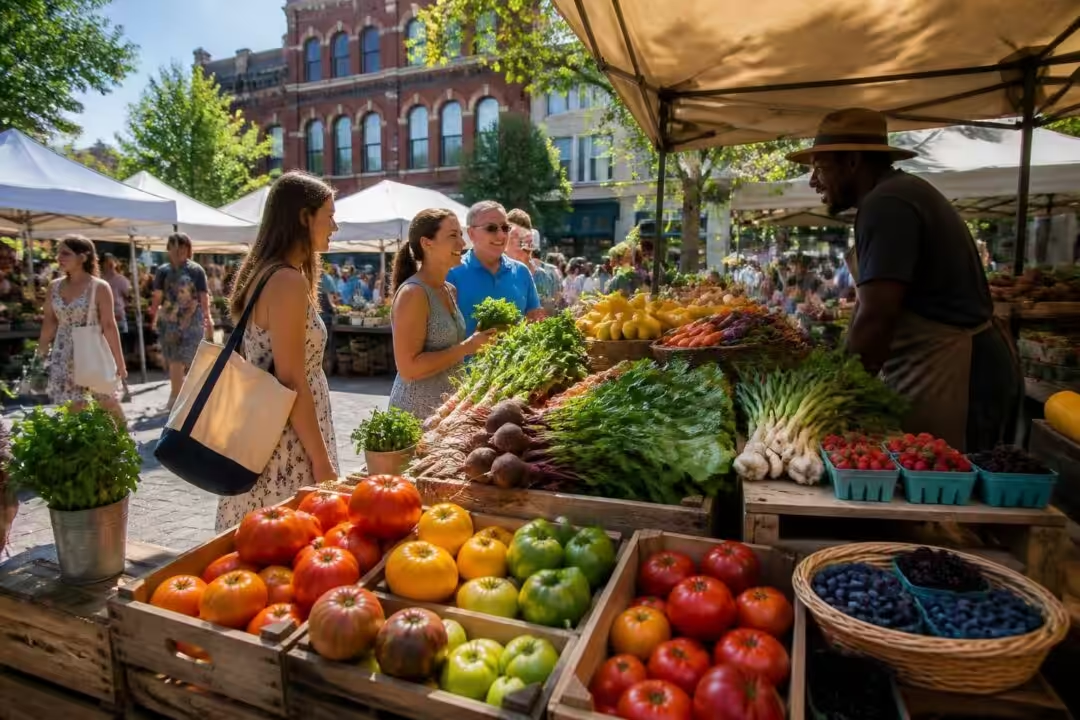
Augusta’s farmers market scene hits a sweet spot right now: the local growing season starts to narrow, yet the tables are still stacked with greens, late tomatoes, sweet potatoes, herbs, eggs, and baked goods. Some spots are weekend rituals by the Riverwalk; others are permanent produce destinations you can build into a weekday routine. If you care about flavor, texture, and the way a plate looks in natural light, these markets reward even a short visit. The goal is simple: buy fewer things, buy better things, and cook them with intention. 🥕
Best Farmers Markets in the Augusta Area (2026): Hours, Vibes, and What to Buy
Start with a clear picture of the landscape. In Augusta and the surrounding CSRA, shopping options fall into two buckets: weekly outdoor markets that peak during the main season, and permanent markets that keep a steadier rhythm even as fields shift toward cooler-weather harvests. The trick is pairing your schedule with the right kind of market, so shopping doesn’t feel like a scavenger hunt.
The Augusta Market anchors Saturday mornings at the Riverwalk near 8th and Reynolds. It runs on Saturdays from 8 a.m. to 2 p.m. through late November, which gives home cooks a long runway for fall cooking. This is the place for a mixed basket: a couple of vegetables, something ready-to-eat, and a small treat for later. Food trucks and artisans change the pace, so it’s also where reluctant shoppers get converted into “just one lap” people. 🛍️
If weekday evenings are the only opening, the Evans Market – Farm Fresh Edition has been known to run Tuesdays in early summer at Evans Towne Center Park. The timing—around 5:30 to 7:30 p.m.—is made for grabbing produce after work and turning it into dinner the same night. Even when seasonal schedules shift year to year, that evening-market format is worth watching because it fits real life.
For a more consistent routine, two permanent produce stops stand out. Good Earth Produce and Garden Center in Martinez keeps long retail hours most days, and it functions like a hybrid: fresh fruits and vegetables up front, with an indoor shop for locally made items and practical extras. It’s also a plant nursery, which matters if your “farmers market haul” includes basil seedlings and you want to grow flavor on a windowsill. 🌿
Roots Produce in Evans feels like a focused, open-air produce stand with a seasonal pulse. It’s the kind of place where a cook can show up for three things—onions, greens, peaches—and leave without distraction. Many shoppers like it for staples plus add-ons such as dairy, meats, and jarred goods, which means fewer stops when time is tight.
Just across the river, the Aiken County Farmers Market has deep roots, running for decades and operating multiple mornings a week. It’s a classic open-air market setup with produce, baked goods, honey, meats, and crafts. If Augusta’s Saturday is booked, Aiken’s schedule can be a practical backup that still feels like a market morning, not a grocery run. 🍯
Quick reality check: as the growing season winds down, some outdoor markets thin out while permanent spots stay dependable. Planning for both gives you continuity—peak-season inspiration on weekends, and steady access to produce midweek. That combination is what keeps a home kitchen feeling seasonal without turning shopping into a project. ✅
How to Shop Augusta Farmers Markets Like a Chef: Timing, Questions, and Smart Bargains
Farmers markets reward a different kind of attention than supermarkets. Prices, varieties, and ripeness are less standardized, which is exactly why flavor can be better. But to shop efficiently, it helps to use a cook’s mindset: build a meal framework first, then select produce that supports it.
Use the “anchor + supporting cast” method 🧠
Pick one anchor ingredient that will carry the week—maybe sweet potatoes, collards, or a pile of mixed peppers. Then choose a supporting cast that makes the anchor easy to cook: onions or scallions for a base, herbs for lift, and one acidic element like lemons or vinegar-based pickles from a vendor. With that structure, even a small bag becomes multiple dinners.
A practical example seen often at the Riverwalk: a shopper grabs tomatoes and basil, then adds local eggs and a loaf from a baker. That’s not “random market browsing.” That’s a plan: tomato toast with jammy eggs one day, a quick tomato pan sauce the next, and a frittata to clean up leftovers. 🍳
Ask two questions that change everything
Market conversations can be short and still useful. Two questions tend to produce the best information quickly:
- 🗓️ “When was this harvested?” A same-day answer helps you decide what to eat first.
- 🥗 “How do you cook this at home?” Farmers and makers often share simple, tested moves.
Those questions also keep you from buying aspirational ingredients that never get used. If the answer sounds complicated, it may not fit your week. You’re shopping for Tuesday night, not a fantasy dinner party.
Go early for selection, late for deals—choose one
If you want peak variety—rare herbs, the best berries, the prettiest greens—arrive early. If you want bargains, arrive late and shop with flexibility. Many vendors would rather sell the last basket at a small discount than pack it up. Either strategy works, but trying to do both in one trip can lead to frustration. 🕒
At larger produce destinations like the Augusta State Farmers Market, you’ll often see sellers with broad assortments—nearly every fruit and vegetable you can imagine in one stop. That scale can be useful for cooks feeding families or meal-prepping for the week. The flip side is that you should still check ripeness and storage needs. A great deal on peaches isn’t a great deal if they collapse on the counter by tomorrow.
The quiet skill is buying at the exact ripeness you need. Mix “ready now” and “ready later” in the same category: two ripe avocados plus two firm ones, a couple of soft peaches plus a few that need a day. That small decision makes your fridge feel like it was stocked by someone organized. 🥑
Fresh Flavors and Plate Design: Building Color, Crunch, and Contrast from Market Produce
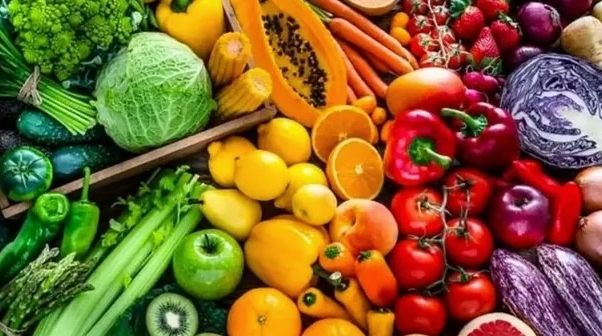
Cook and Design readers already know the first bite often happens with the eyes. Farmers markets make that easier because produce is less uniform and more expressive: crooked carrots, speckled beans, greens with personality. That visual variety becomes a design tool, not a flaw.
Think in contrasts (not recipes) 🎨
Instead of shopping for a single dish, shop for contrasts that you can combine in different ways. Three pairings work almost every time:
- 🥬 Crunch + cream: cucumbers with yogurt, radishes with labneh, slaw with mayo-free tahini dressing
- 🍋 Rich + acid: roasted sausage with pickled onions, eggs with salsa verde, beans with lemon
- 🔥 Sweet + heat: peaches with chili flakes, sweet potatoes with gochujang vinaigrette, honey with black pepper
These aren’t “rules.” They’re design principles. When a plate has contrast, it reads as complete. You don’t need ten components; you need two or three that play different roles.
A small case study: the ceramic bowl dinner
Picture a matte, wide bowl—cream glaze, low rim. Build a base of warm grains (1 cup cooked farro or rice). Add roasted market vegetables (about 2 cups). Finish with a punchy sauce and something raw for snap. The vegetables change weekly, but the structure stays stable.
This is where local herbs earn their keep. A handful of basil or cilantro can shift the entire mood of a bowl. Herb-heavy cooking also keeps salt in check without making food taste “healthy” in a preachy way. 🌿
For readers who keep Korean pantry staples around, a market haul pairs beautifully with quick sauces: gochujang mixed with rice vinegar and a little honey, doenjang thinned with warm water and sesame oil, or a simple scallion dressing. These sauces respect the vegetables instead of burying them.
Design insight: limit your plate to one dominant color family (greens or oranges) and one accent (pink radish, purple onion). The result looks intentional, even on a rushed weeknight. ✅
Weeknight Cooking Ideas from Augusta Farmers Market Hauls: 4 Flexible Menus (No Fuss)
Market shopping can feel like a weekend hobby unless it leads to dinners that actually happen. The goal is not a complicated plan; it’s a set of flexible menus that survive a busy week. Below are four frameworks that work with what Augusta-area markets commonly carry—produce, eggs, meats, dairy, baked goods, honey, and jarred items.
Menu 1: Tomato-toasted bread + greens + eggs 🍅
Start with good bread from a market baker or a sturdy loaf from a permanent market shop. Toast it hard. Rub with a cut garlic clove if you have it. Add sliced tomatoes, salt, and olive oil. Serve with quick-sautéed greens and soft eggs.
This is where market tomatoes shine even late in the season. If tomatoes are fading, swap in roasted squash or sautéed mushrooms. The structure remains: toast + vegetable + protein.
Menu 2: Sheet-pan sausage and peppers, finished with herbs 🌶️
Buy peppers, onions, and a local sausage if available. Roast at high heat until edges char. Finish with chopped herbs and a squeeze of lemon. Serve over rice, grits, or tucked into bread.
This menu scales easily. It also makes excellent leftovers: chop everything and fold into an omelet or toss with pasta the next day.
Menu 3: “Cold night” sweet potato bowls with a spicy-sour sauce 🍠
Roast sweet potatoes until caramelized. Add a simple protein—beans, shredded chicken, or a fried egg. Make a fast sauce: 1 tbsp gochujang + 1 tbsp vinegar + 1 tsp honey + 1 tbsp water. Spoon over the top and add something crunchy (cabbage, radish, cucumbers).
The bowl feels composed, but it’s built from pantry and a few market items. That’s the sweet spot for weeknights.
Menu 4: Aiken-style market morning board → snack dinner 🧀
When the market haul includes honey, jam, baked goods, and a small container of local dairy, lean into a board that becomes dinner. Add fruit, sliced vegetables, and something salty. The trick is adding one cooked item—roasted carrots, boiled eggs, or sautéed greens—so it feels like a meal, not grazing.
Cook’s rule: batch one component on Sunday—roast a tray of vegetables or cook a pot of grains. That single step turns market shopping into dinners that land on the table. ✅
Augusta Seasonal Shopping Guide: Stretching the Growing Season with Storage, Pickles, and Freezer Wins
As the local growing season starts to close, the smartest move is not clinging to summer produce. It’s shifting technique. Storage, quick preservation, and freezing let you keep the “just-picked” feeling without wasting money or ingredients.
Store produce by behavior, not by category 🧊
Some items hate moisture (berries), some wilt without it (greens), and some throw off gases that age others faster (apples, some stone fruit). A simple approach keeps things fresher:
- 🍓 Berries: don’t wash until use; store dry with a paper towel in a vented container
- 🥬 Greens: rinse, spin, then wrap in a towel inside a bag; refresh the towel midweek
- 🌿 Herbs: treat like flowers; stems in water, loosely covered; or chop and freeze with oil
- 🧅 Onions and sweet potatoes: cool, dark, dry; no plastic bags
That’s not precious. It’s practical. Better storage means fewer emergency grocery runs and less limp produce getting “saved for later” until it’s too late.
Quick pickles that match Augusta market flavors
Quick pickling is the fastest way to make winter cooking feel bright. Slice cucumbers, onions, or radishes. Pour over a hot brine: 1 cup water + 1 cup vinegar + 1 tbsp sugar + 2 tsp kosher salt. Add peppercorns or chili flakes. Cool, then refrigerate.
These keep for about a week or two. They also solve a common problem: rich foods start showing up in cooler months, and you need acid to balance them. Pickled onions on beans. Pickled radish next to roasted meats. Same idea, different week. 🥒
Freezer moves that don’t wreck texture
Not everything freezes well, but some things freeze beautifully if you prep them right. Herbs can be chopped and frozen with olive oil in ice cube trays. Berries can be frozen on a sheet pan, then bagged, so they stay separate. Peppers can be sliced and frozen for soups and stir-fries.
When a permanent market has a strong selection—like Good Earth or a larger produce market—this is where buying a little extra pays off. You’re not stockpiling; you’re building future shortcuts.
For households that use SNAP/EBT at certain local markets, doubling benefits at select locations has made seasonal produce more reachable for many shoppers. When budgets are tight, preservation becomes even more valuable: a discounted basket of peppers can become freezer packs that turn into meals for weeks. 💡
Last practical note: as outdoor market schedules tighten toward the end of the season, permanent produce stops and online ordering become the steady backbone. That sets up the next smart step—combining in-person market inspiration with a reliable pickup routine. ✅
Augusta Locally Grown and Beyond: Online Ordering, Pickup Routines, and a Hybrid Market Life
Not every week supports a leisurely Saturday market stroll. That’s where online ordering can keep local food in rotation without sacrificing your calendar. In the Augusta area, Augusta Locally Grown operates as a weekly online market that supports small farms and gardeners. Growers list what’s in season, shoppers place orders, then pick up or arrange delivery.
The cadence matters: online ordering typically opens around Friday at midday and closes on Sunday night, which fits the way many households plan groceries. It also changes how you shop. Instead of reacting to what catches your eye, you can build a cart with intention: vegetables for dinner, fruit for breakfasts, a protein option, plus a “nice-to-have” like flowers. 💐
Why hybrid shopping works for real kitchens
A hybrid routine is simple: visit a weekly market when you want inspiration, then use online ordering or a permanent market for staples. That keeps waste down because you’re not forced into impulse buys every time you need onions or eggs.
It also helps with menu planning. You can choose one centerpiece ingredient from a weekend market—say, a bag of mixed peppers—then order supporting items online (beans, grains, dairy) to round out the week. The result feels curated, not chaotic.
A sample “hybrid week” that stays design-forward
Here’s a practical rhythm many busy home cooks can follow:
- 🗓️ Saturday morning: Riverwalk market for peak produce + one baked item
- 🧺 Sunday night: online order for proteins, eggs, and pantry-friendly staples
- 🌿 Midweek: quick stop at a permanent produce market for greens and herbs
Notice what’s missing: frantic daily shopping. The system creates enough freshness for crisp salads and herb-heavy dinners, while still respecting workdays and kid schedules.
Hybrid shopping also supports the local ecosystem in a practical way. Weekly markets help small vendors connect with new customers, while online platforms create steadier demand that can help farms plan. From the cook’s side, the win is consistency: fewer gaps, fewer compromises, and more meals that taste like the region. 🥗
Kitchen insight: the best market routine is the one you can repeat without willpower. Build it around your calendar, then let the seasons change what goes in the bag. ✅

Hi, I’m Landon Brooks. I am the editor-in-chief of Cook and Design, but for the first decade of my working life I was actually a product designer in New York.