Seasonal Produce Calendar 2026: What Fruits and Vegetables Peak When
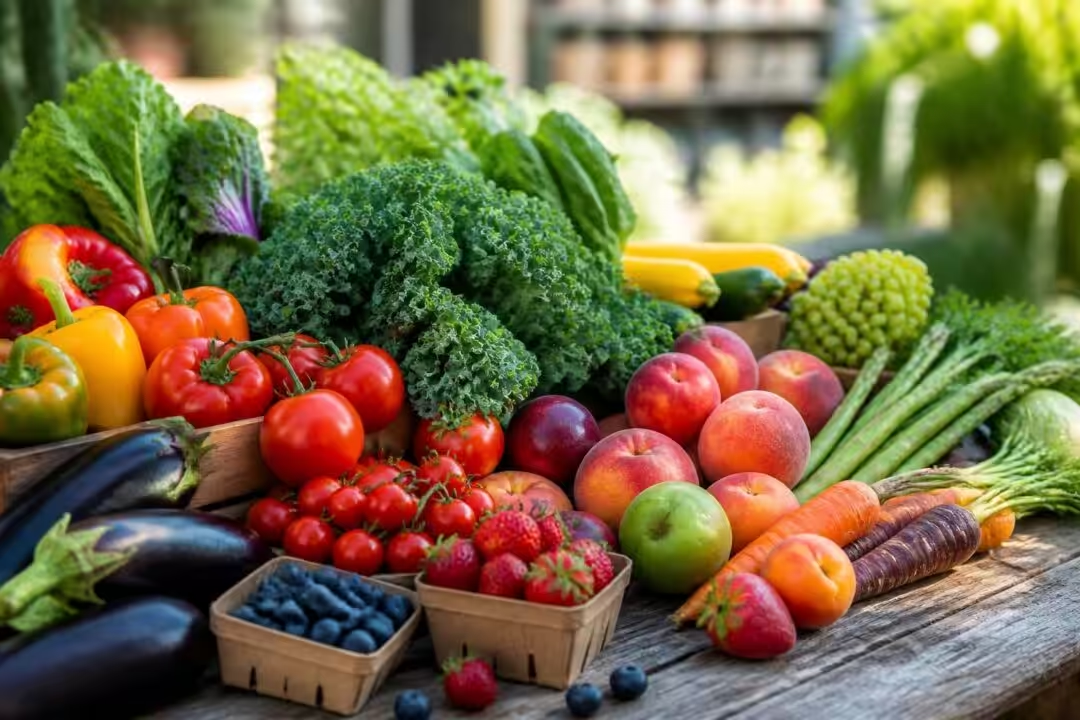
The seasonal cycle of fruits and vegetables is the backbone of vibrant cooking and mindful eating. Chefs and home cooks alike benefit from tracking peak harvest windows: produce at its peak delivers superior flavor, texture, and nutritional value. In practical terms, knowing that stone fruits ripen in mid-summer or that root vegetables concentrate sugars after cool nights helps transform menu planning into an exercise in timing and taste.
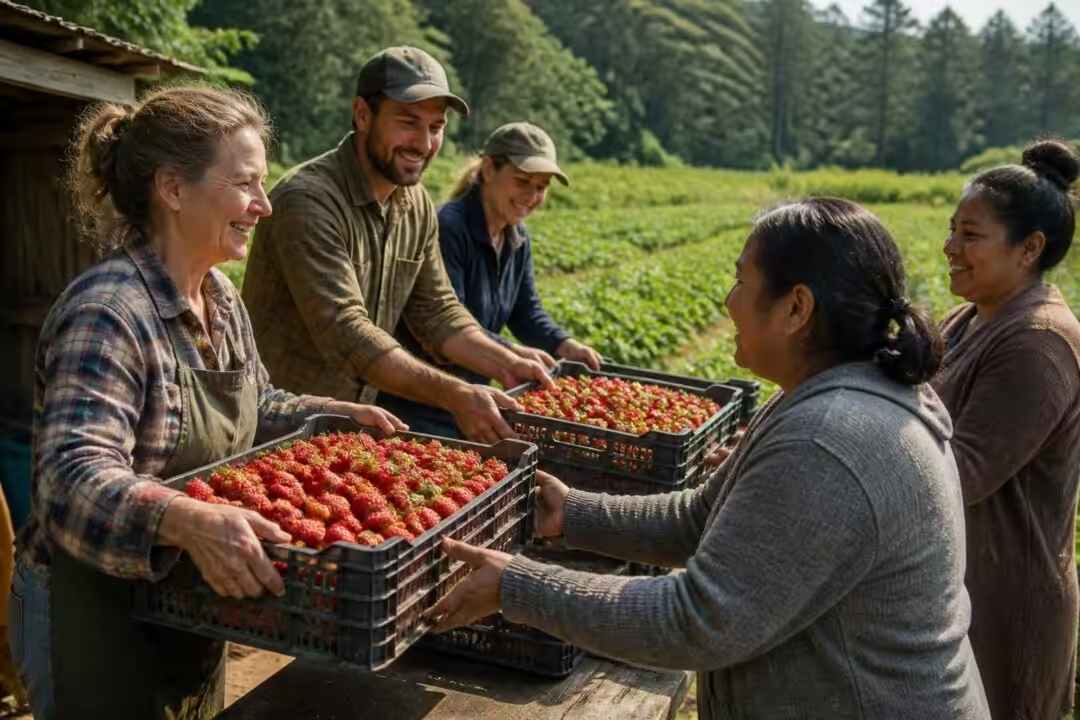
Concrete examples help bring seasonality to life. For instance, early summer in many temperate regions offers ripe strawberries, tender peas, and young zucchini—each demanding different short-cook techniques to preserve freshness. In contrast, late autumn presents apples, squash, and brassicas that stand up to roasting, braising, and storage. A community chef at a coastal restaurant, Harbor Kitchen, notes that a pea shoot garnish sourced in May can outshine a year-round substitute because the flavor intensity is truly unique at harvest.
Seasonal awareness also reduces waste and expense. Buying a tomato in mid-July—when it’s abundant—typically costs less and needs less manipulation to taste great. Conversely, a winter tomato often travels long distances or requires greenhouse production, increasing environmental and financial costs. Purchasing in-season supports local economies and shortens supply chains, which aligns with the 2026 trend toward shorter logistics and better traceability.
How to read a seasonal calendar and apply it at home
Reading a calendar begins with region-specific months: what’s summer in Maine is not the same as summer in California. A practical method is to label produce as peak, shoulder, or off-season. Peak means ideal flavor; shoulder signals acceptable quality and good value; off-season suggests limited availability or higher cost. Using this framework, families and kitchens can prioritize peak items for fresh plates and shoulder items for preserved or slow-cooked preparations.
A simple shopping ritual can assist: scan the calendar before visiting a farmers market, then select one star ingredient at peak and one supporting item that stores well. This approach minimizes decision fatigue and yields a cohesive meal without compromising creativity. The restaurant team at Solstice Bistro uses this ritual to compose a weekly market menu—one market star plus two pantry-friendly components.
Seasonal variety for nutrition and flavor
Different seasons emphasize different nutrients. Summer berries and leafy greens deliver antioxidants and hydration, while winter squashes and root vegetables supply dense calories and vitamin A. Rotating produce by season ensures a broader micronutrient intake and prevents palate boredom. It’s also a key strategy for chefs designing tasting menus: alternating textures and temperatures across courses creates memorable dining experiences.
Practical tip: pair seasonal produce with appropriate cooking techniques. Quick sautéing or raw preparations preserve delicate summer flavors. Slow roasting or braising deepens the sugars of winter harvests. This seasonal technique matching is an easy way to elevate simple ingredients into standout dishes.
Key insight: Treat the seasonal calendar as a creative constraint that sparks better flavor, smarter shopping, and reduced waste. 🌱
How to Shop Local: Bay Area and Regional Seasonal Fruit and Vegetable Guide
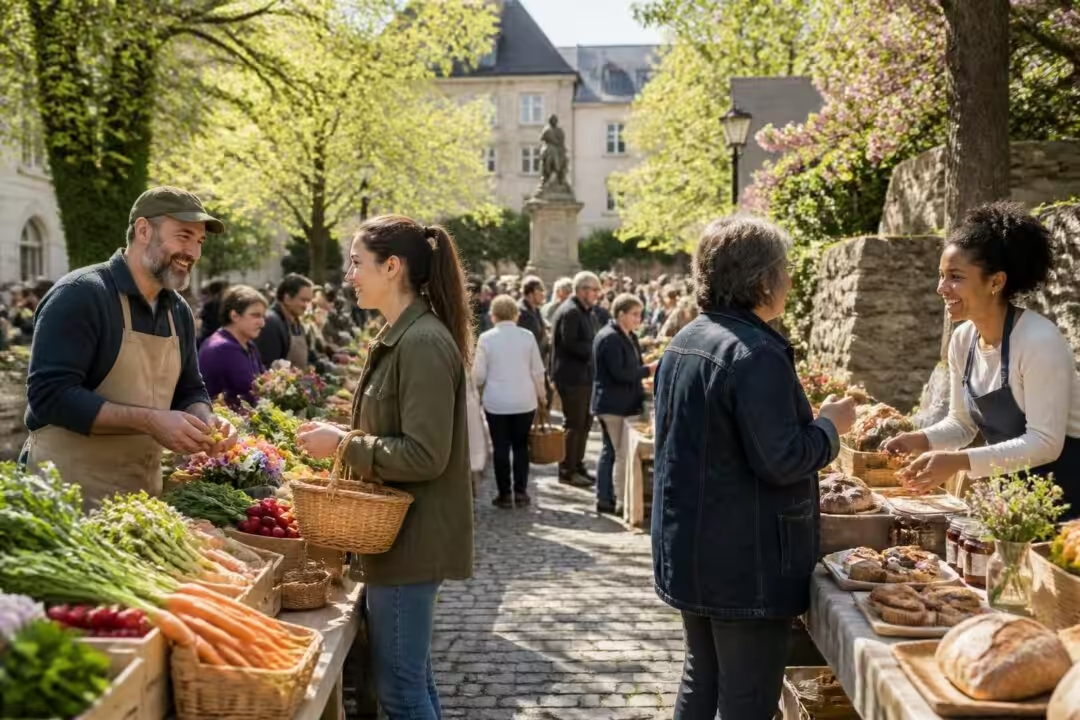
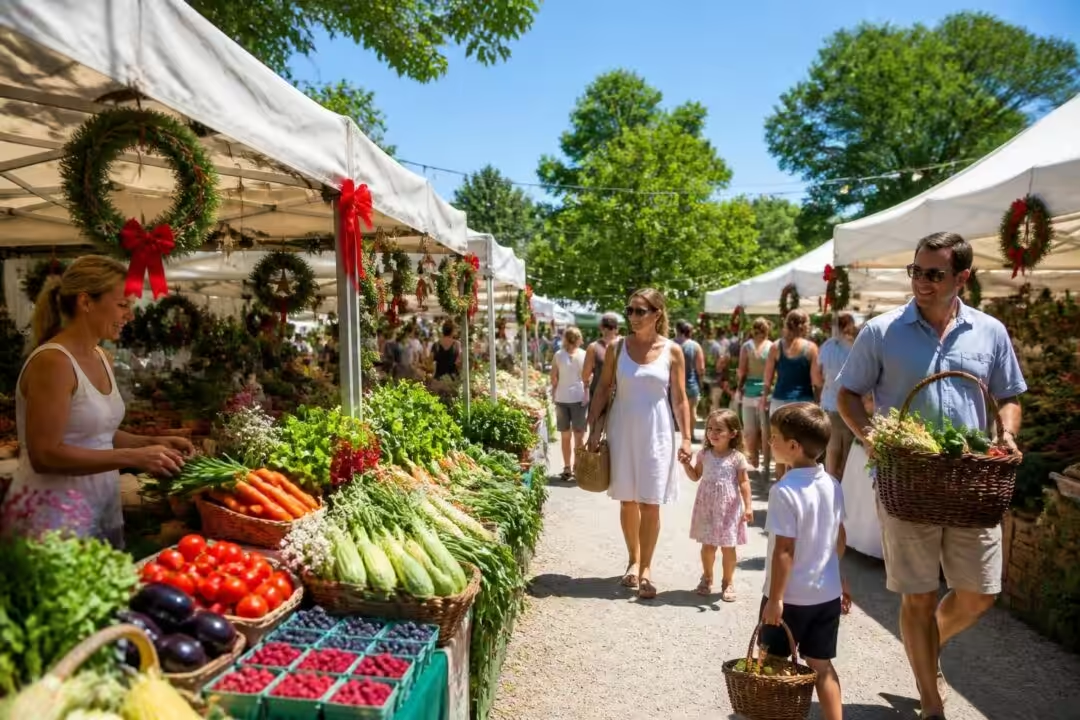
Buying local is more than a trend; it is a structured way to lower food miles, support regional growers, and prevent waste. In the Bay Area and similar regions, farmers markets operate year-round but the offerings shift dramatically with the seasons. Knowing which markets highlight certain crops—berries in May, tomatoes in July, stone fruit in August—enables targeted shopping that maximizes freshness and value.
Local purchasing has concrete benefits for waste prevention. Produce that travels shorter distances goes through fewer handlers, reducing bruising and spoilage. Additionally, relationships between chefs and growers often lead to second-tier produce being sold at discounts or repurposed into value-added goods like chutneys. A farmers-market case study: a weekly market stall that began collaborating with a neighborhood café in 2024 increased sales of imperfect produce by 40% via soup and sauce programs—an approach that remains relevant in 2026.
Online resources complement market visits. Several regional seasonal guides and printable calendars help shoppers plan. When relying on digital tools, a small note is worth remembering: Please enable JS and disable any ad blocker on some interactive calendar sites to access real-time availability maps and vendor lists.
Practical shopping strategies for regional markets
Adopt a rhythm: arrive early for the best selection, or late for discounted seconds. Bring a cooler for delicate items in warm months. Ask vendors about varietal differences—many chefs discover lesser-known cultivars with superior flavor when taking the time to converse. For example, heirloom carrots from a small organic farm often have more pronounced sweetness than mass-produced orange carrots.
Working with a neighborhood grocer or CSAs (community-supported agriculture) is another option. CSAs provide seasonal boxes that encourage culinary creativity and reduce decision overload. Harbor Kitchen partnered with a CSA in 2025 to design weekly specials that reduce food waste and highlight small-farm diversity. The model is replicable for home cooks: commit to a shorter menu built around the CSA box and incorporate simple preservation methods for surplus.
Checklist for a market-friendly shopping trip
- 🛒 Plan — Check a regional calendar before leaving.
- 🧊 Protect — Bring a cooler to extend shelf life.
- 🤝 Ask — Talk to growers about peak times and varieties.
- 🔁 Rotate — Buy a mix of items for immediate use and storage.
- 💡 Experiment — Try one unfamiliar variety each visit.
The overall benefit of shopping local is a stronger connection to the food system combined with better tasting meals. For ambitious home cooks, linking purchases to simple preservation techniques—pickling, drying, or freezing—turns seasonal spikes into year-round culinary advantage.
Key insight: Shopping local and planning around regional calendars converts seasonal abundance into consistent kitchen success. 🌿
An instructional video can complement market visits with quick techniques for turning market finds into weeknight meals. Use it as a primer before the next shopping trip.
Cooking with Seasonal Ingredients: Recipes, Pairings, and Menu Planning for 2026
Seasonal ingredients demand technique-sensitive cooking that respects their natural tones. The creative chef’s challenge is to design dishes where the produce leads, not hides. This section explores pairing logic, practical recipes, and a case study of a small bistro that retooled its menu around weekly market catches.
Pairing is both art and science. Sweet summer corn pairs exceptionally well with acidic elements—think lime, cotija, or tomatoes—because acid cuts the corn’s sugar and brightens the palate. Conversely, roasted fall squash benefits from bitter greens and sharp cheeses to balance its caramelized sweetness. Matching texture can be as important as matching flavor: a crunchy toasted seed adds contrast to a silky squash purée.
Three adaptable recipes for any seasonal rotation
Each recipe is written as a framework: treat quantities as flexible depending on produce intensity.
1) Market Tomato & Pea Shoot Salad: Ripe tomatoes, fresh peas, a splash of sherry vinegar, olive oil, torn basil, and a scatter of feta. Minimal salt—no long cook time—keeps brightness. Use the best tomatoes of the moment and finish with pressed cold-pressed olive oil to elevate the mouthfeel.
2) Roasted Root & Grain Bowl: Roast beets, carrots and parsnips with rosemary until edges caramelize. Toss with warm barley, chopped parsley, and a citrus-mustard vinaigrette. Add toasted walnuts for crunch and a smear of labneh for creaminess.
3) Quick-Stir Summer Stirfry: Young zucchini, snap peas, scallions, garlic, and a splash of soy and citrus. Cook over high heat for color and snap. Serve with brown rice or noodles for a light, sustaining meal.
These frameworks simplify weekly cooking: pick a seasonal star, select complementary textures and balancing flavors, and choose a simple technique that highlights the ingredient.
Menu planning case study: Harbor Kitchen’s weekly market special
Harbor Kitchen instituted a market special in 2024 that rotates bi-weekly based on the farmers market haul. The process: a sous-chef markets the stall, the team selects one peak ingredient, and the head chef constructs two dishes—one simple and one composed—around it. The result: reduced inventory waste and a direct line of storytelling that connects diners with local producers. Since menus changed frequently, customer engagement rose and average spend per cover increased subtly because diners valued novelty.
For home cooks, the takeaway is to think in modules: a main element, a texture, and an acid. This modular thinking scales across rustic weeknight meals and composed dinner-party plates.
Key insight: Let seasonal produce dictate technique and pairing; the simplest approach often yields the most memorable results. 🍽️
Short videos demonstrate technique and timing for these recipes—ideal to watch before cooking. Use them as quick refreshers on knife cuts and heat control.
Preservation and Storage: Freeze, Can, and Cure Techniques for 2026
Preservation transforms seasonal peaks into year-round resources. The basic categories—freezing, canning, drying, and fermentation—each have ideal applications depending on texture and flavor goals. For example, blanch-and-freeze is excellent for peas and beans, while tomatoes shine when processed into sauces or canned whole. Understanding which method suits which ingredient preserves both taste and nutrients.
Small-scale preservation also offers sustainability advantages: it reduces kitchen waste and stretches budgets. A practical anecdote: a community kitchen partnered with a neighborhood orchard in 2025 to process surplus apples into apple butter and dried rings, supplying winter meal programs. The result was less waste and increased food security—a model relevant to municipalities and food hubs in 2026.
Freezing and blanching: best practices
Freezing preserves fresh flavor if done promptly. For greens and peas, a brief blanch in boiling water followed by ice-bath cooling preserves color and texture. Pack in portions suitable for intended use—one-cup portions for smoothies, two-cup portions for soups. Label with date and intended dish to avoid freezer fatigue. Many chefs recommend using vacuum-seal bags where possible to limit freezer burn.
Vegetables that don’t freeze well—such as cucumbers—are better pickled or used fresh. Tomatoes, by contrast, can be halved and frozen raw for later sauces, or cooked down into a concentrated sauce and canned for shelf stability.
Canning and fermentation: extending pantry life
Canning requires attention to acidity and sterilization but yields compact pantry staples. Quick-pickles of cucumbers, onions, or carrots preserve crispness and brightness. Fermentation—krauts, kimchis, yogurt—builds complex flavors and probiotics. Many home kitchens in 2026 blend canning with fermentation: lacto-fermented relishes paired with canned tomatoes create layers of acidity and depth in winter menus.
- 🧊 Freeze — Blanch vegetables, portion, and seal.
- 🍯 Can — Use tested recipes for acidity-sensitive items.
- 🫙 Ferment — Salt-brine vegetables for probiotic-rich preserves.
- 🌞 Dry — Use dehydrators for herbs and fruit slices to intensify flavor.
Storage also includes short-term steps: keep leafy greens wrapped in a damp cloth inside a perforated bag; store onions and squashes in cool, dry, dark places; keep tomatoes at room temperature until use. These small habits extend shelf life without complicated equipment.
Key insight: Matching the right preservation method to each item turns seasonal plenty into winter inspiration. 🧺
Sustainable Sourcing and New Varieties: 2026’s Best New Fruits and Vegetables
Innovation in seed breeding and small-farm experimentation brought several notable introductions into the mainstream by 2026. Growers have been focusing on disease-resistant varieties, flavor-first selection, and climate-adapted cultivars. These developments are reshaping how chefs and consumers access fresh flavors across diverse growing zones.
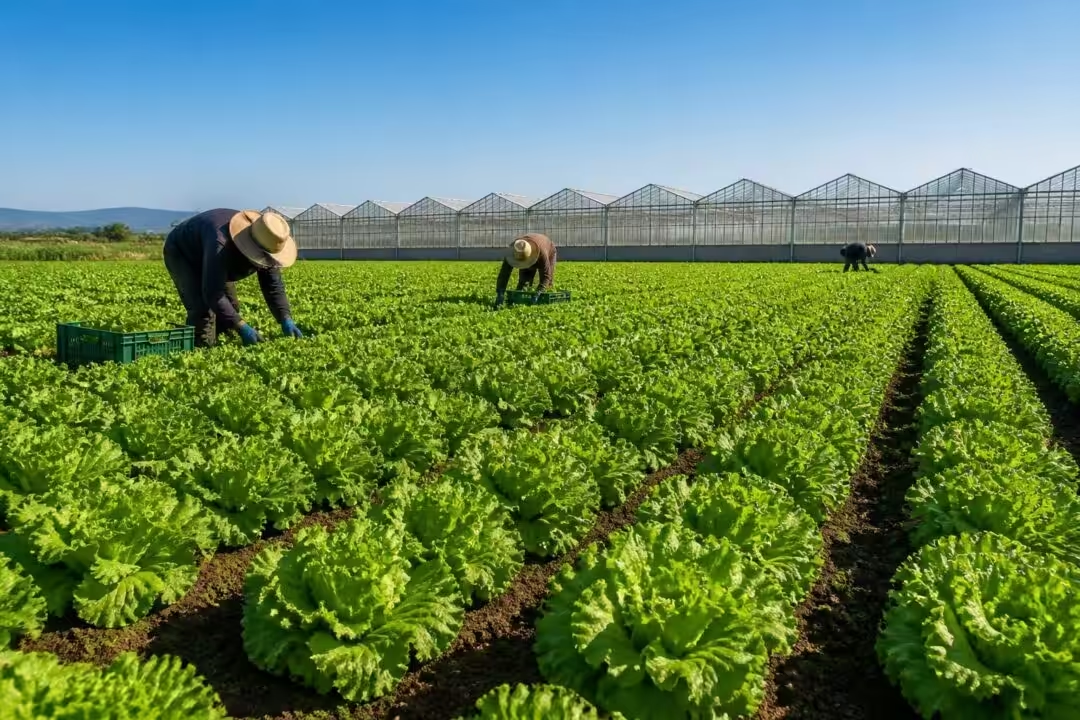
One striking trend is the rise of heat-tolerant greens designed for warmer summers, enabling summer salad production in regions that previously suffered lettuce bolting. Another innovation is compact fruit trees and espalier systems that make backyard fruiting feasible in denser urban landscapes. Restaurants and urban farms are increasingly experimenting with these new varieties to extend local availability and reduce import reliance.
Case study: Solstice Farms’ trial plots
Solstice Farms on the outskirts of a mid-sized city ran a trial program between 2023 and 2025 testing new tomato and pepper cultivars bred for flavor rather than yield. By 2026, several cultivars proved resilient and flavorful in variable weather, offering chefs concentrated flavors earlier in the season. Partner restaurants reported that these cultivars required less seasoning and less energy-intensive greenhouse production, an economic and environmental win.
Sustainable sourcing also includes transparent supply chains. Consumers in 2026 increasingly ask for traceability—farm name, harvest date, and growing method. Markets and restaurants that provide that information build trust and justify premium pricing, fostering a loop where sustainable practices are rewarded and adopted more widely.
How to experiment with new varieties at home
Home gardeners and community plots can trial small batches. Start with a handful of seedlings, taste-test through the season, and document performance. Maintain a simple journal: planting date, harvest date, flavor notes, and any pest pressures. Over a few seasons, patterns emerge that guide planting choices aligned to local microclimates.
| 🌱 Variety | 🌞 Best Season | 🧾 Notes |
|---|---|---|
| 🍅 Heat-tolerant tomato | 🌞 Summer | Great raw; less watering; offers concentrated sweetness. |
| 🥬 Bolt-resistant lettuce | 🌤️ Spring/Fall | Stays crisp in warm spells; ideal for microgreens too. |
| 🌶️ Flavor-forward pepper | 🌞 Late summer | Thicker walls lend well to roasting; lower irrigation needs. |
Producers and chefs together will continue to drive varietal selection toward resilience and taste. Experimentation—on both farm and plate—keeps menus fresh and supports ecological adaptation.
Key insight: Embracing new, climate-smart varieties and transparent sourcing strengthens kitchens, supports growers, and secures flavorful produce for years to come. 🌍

Hi, I’m Landon Brooks. I am the editor-in-chief of Cook and Design, but for the first decade of my working life I was actually a product designer in New York.