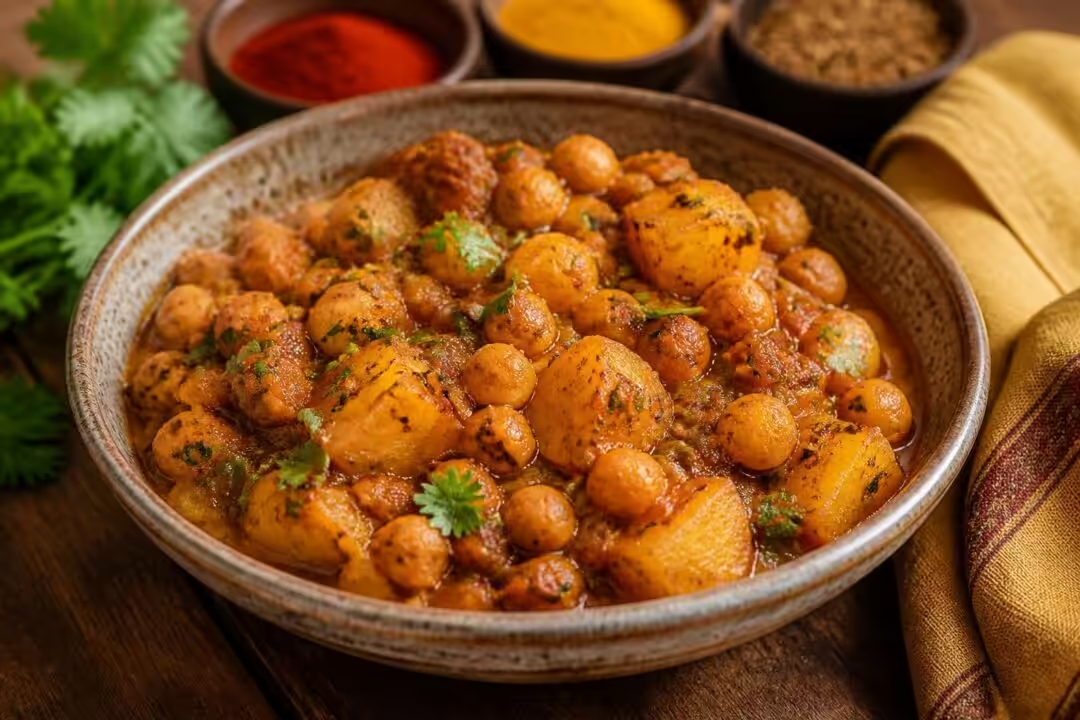
Chana Aloo Curry: South Indian Comfort with Chickpeas and Potatoes
Chana Aloo sits in a sweet spot between weeknight practicality and deeply satisfying comfort food. The pairing is deceptively simple: plump chickpeas bring protein and a nutty bite, while tender potatoes soak up spice and thicken the sauce naturally. Yet the dish rarely tastes “simple” once the aromatics and spice blend are handled with care.
In many South Indian-inspired home kitchens, a curry like this becomes a repeat recipe because it leans on familiar, accessible pantry ingredients. That accessibility matters: nobody wants to chase obscure spices after a long day. A Madras-style curry powder (or a dependable store-bought curry powder) can provide most of the complexity, especially when “bloomed” in hot fat so the spices release their fragrance.
A memorable Chana Aloo is built on contrast. Tomatoes bring acidity, coconut milk brings roundness, and a final squeeze of lime adds a fresh spark that makes the sauce taste brighter rather than heavier. Even a tiny pinch of sugar can do something surprising: it doesn’t sweeten the curry so much as smooth the edge of canned tomatoes, allowing the warm spices to read as layered instead of sharp. ✅
To keep the discussion concrete, imagine a recurring dinner scenario: a small household where one person loves heat and another prefers mild. Chana Aloo handles that tension elegantly. A few finely chopped bird’s eye chilies can be fried with onions for heat lovers, while the base remains friendly enough that the spice can be adjusted bowl-by-bowl with chili oil or fresh sliced chili at the table. That flexibility is the reason it shows up in so many meal plans.
The dish also rewards patience in just two places: softening the onion until translucent, and simmering long enough for potatoes to turn creamy at the edges. Everything else is fast. That’s why the recipe often lands in the “under 30 minutes” category when potatoes are diced small and the pot is kept at a steady, gentle simmer.
There’s also a cultural comfort to the aroma itself. Toasted curry powder with garlic and ginger can make a kitchen smell like a promise: dinner will taste like something that took all afternoon, even if it didn’t. That sensory payoff—smell turning into flavor—is what makes Chana Aloo a reliable crowd-pleaser, and it sets up the next piece of the puzzle: the ingredient choices that quietly control texture, thickness, and balance.
Best Ingredients for Easy Chana Aloo: Pantry Staples That Taste Restaurant-Style
Ingredient selection is where an “easy curry” becomes a repeat-worthy curry. The goal is not perfectionism; it’s choosing components that behave predictably. Chickpeas should stay intact, potatoes should turn tender without disappearing, and the sauce should taste rounded rather than flat.
Potatoes are the first decision. Waxy varieties such as Yukon Gold tend to hold their shape, giving neat cubes that stay distinct in the gravy. Floury potatoes like Russet soften faster and release more starch, which can make the sauce feel thicker and more velvety. Both are valid; the choice is really about texture preference. If the curry is meant to be scooped with naan, a slightly thicker result can be ideal. If it’s planned for rice, cleaner cubes can feel more elegant.
Chickpeas can be canned or home-cooked. Canned chickpeas win on convenience, and draining plus rinsing removes the briny liquid that can dull spices. Home-cooked chickpeas often have a more tender, buttery interior, but they require planning. For busy households, keeping the base recipe built around canned chickpeas is a sensible default, then “upgrading” on weekends with dried chickpeas soaked overnight and cooked until soft.
The sauce hinges on tomatoes and coconut. Canned chopped tomatoes give consistent acidity year-round, which matters when fresh tomatoes are out of season. Tomato paste is a quiet powerhouse: frying it briefly removes its raw edge and adds depth, like a low, savory bass note under the spices. Then coconut milk (or coconut cream for a richer finish) smooths the edges of spice and tomato alike.
Aromatics should be treated as foundational, not optional. Garlic and ginger form the backbone of the flavor. Freshly minced is vibrant, but a practical trick used by many curry cooks is freezing a garlic-ginger paste in small portions. That way, the weeknight version still has a fragrant start without turning prep into a project.
The seasoning strategy also deserves more respect than it usually gets. Curry tastes “complete” when salt is layered during cooking, not sprinkled at the end. Then, balance arrives through acid + salt + a hint of sweetness. Lime should be saved for the last moment, because cooking citrus can mute its brightness. 🍋
Smart Shopping and Prep Checklist for Chana Aloo 🛒
- 🧅 Onions: white or yellow for clean sweetness; red works in a pinch.
- 🧄 Garlic + ginger: fresh or paste; aim for a fragrant base, not a harsh bite.
- 🌶️ Chilies: optional; choose mild green chilies or bird’s eye for sharper heat.
- 🍅 Chopped tomatoes + tomato paste: for body and depth in the gravy.
- 🥥 Coconut milk: lighter for a thinner sauce; coconut cream for a glossy finish.
- 🧂 Salt + sugar + lime: the balancing trio that prevents a “one-note” curry.
- 🌿 Cilantro: a final fresh layer; skip if it’s not a household favorite.
When these ingredients are lined up before the pan heats, the cooking becomes smooth and confident. That mise-en-place rhythm is what keeps an easy curry from feeling chaotic, and it leads naturally into technique: the specific order of steps that makes Chana Aloo taste like it came from a skilled kitchen.
How to Make Chana Aloo Curry in One Pot: Technique, Timing, and Flavor Layers
The most reliable Chana Aloo method is a one-pot simmer that builds flavor in stages. The sequence matters because each layer changes what comes after it. Rushing onions means the curry can taste thin; skipping spice blooming can leave the dish muted. The good news: the process is simple once the logic is understood.
Start with the fat. Coconut oil keeps the dish squarely plant-based and adds a subtle tropical note that fits the coconut-tomato profile. Ghee, if used, brings a toasted richness that reads as “restaurant-style” without needing extra ingredients. Either way, the heat should be moderate; scorching aromatics creates bitterness that no amount of coconut milk can fully hide.
Onions should be cooked until soft and translucent—about five minutes in a wide pan, sometimes longer if the dice is larger. This step creates sweetness and body, especially important in a curry that is not relying on long braising. Then comes garlic and ginger. Two minutes is usually enough: long enough to turn fragrant, short enough to avoid burning.
Now the key pivot: toasting the spices. Curry powder, turmeric, cumin, garam masala, bay leaves—whatever combination is being used—should briefly fry in the hot fat and onion mixture. This “blooming” step wakes up aromatic compounds and makes the final dish taste fuller. Smell is the guide: when the pan shifts from raw spice scent to warm fragrance, it’s time for tomatoes.
Tomato paste should be cooked briefly too, especially when using store-bought paste. A minute of frying removes the tinny, raw edge. Then chopped tomatoes go in to form the gravy base. At this stage, potatoes and chickpeas can enter, followed by coconut milk and a splash of water or stock to control thickness. Keeping the simmer gentle prevents coconut from separating and ensures potatoes cook evenly.
Here’s where the dish becomes forgiving. If the sauce reduces too quickly, add a splash of water. If it seems thin near the end, mash a few potato cubes against the side of the pot to thicken naturally. If it tastes flat, add salt in small pinches, then reassess. The final lift is lime, stirred in just before serving so the citrus stays fresh and bright. ✨
Timing Guide: From Pan to Plate Without Stress ⏱️
A practical schedule helps the dish feel effortless. With potatoes diced small, the simmer can finish in 15–20 minutes. If time is especially tight, parboiling the potato cubes for 5–8 minutes while the onions soften can reduce the final simmer significantly, making the curry feel almost “instant” without sacrificing texture.
In a busy household, this method often becomes part of a rhythm: chop once, simmer once, eat twice. The curry is famously better after resting overnight, because spices continue to meld in the fridge. That naturally opens the door to customization—how to tweak the recipe for different diets, different spice tolerances, and different pantry situations.
Chana Aloo Variations and Substitutions: Vegan, Kid-Friendly, High-Protein, and Nut-Free Options
Chana Aloo’s strength is that it welcomes adaptation without losing its identity. The core remains chickpeas + potatoes in spiced tomato gravy, but the supporting choices can shift dramatically depending on dietary goals or whoever is at the dinner table.
For a lighter, lower-glycemic approach, potatoes can be swapped for sweet potatoes or pumpkin. These options tend to read slightly sweeter, so the curry may need a touch more lime or a pinch more salt to stay balanced. Some cooks prefer the way sweet potatoes melt into the sauce, giving a naturally creamy consistency with less need for coconut cream. This variation is especially popular when the meal is meant to feel cozy but not heavy.
For households that include children (or adults who prefer gentle heat), the easiest adjustment is removing fresh chilies from the base and leaning on warming spices instead. Mild curry powder with turmeric and cumin can still produce a richly flavored curry without any aggressive burn. Heat lovers can add chili oil, sliced chilies, or cayenne at the end in their own bowl—so everyone wins. 🌶️
Protein additions are straightforward. While chickpeas already contribute plant protein, some meal plans call for more. Boneless chicken breast can be simmered in the sauce until just cooked, or shrimp can be added near the end so it stays tender. For a vegetarian protein boost, firm tofu cubes can be pan-seared separately and stirred in, adding texture without changing the sauce structure.
Coconut milk is another flexible point. Those who dislike coconut can substitute cream if not keeping the dish vegan, or use vegetable stock for a thinner, lighter gravy. A small knob of butter added at the end (in non-vegan versions) can make the sauce taste luxurious, especially if the curry powder is mild and the dish needs extra richness.
Some modern versions add yogurt and cashew butter (or blended cashews) to create a velvety, kurma-style finish. This approach can be stunning: yogurt brings tang and cashews stabilize the sauce for a glossy texture. For a vegan version, coconut or soy yogurt works well. For a nut-free version, sunflower seed butter can stand in, providing body so the yogurt doesn’t split. 🥜➡️🌻
Substitution Table for Chana Aloo (Texture + Flavor Impact) 📌
| Swap 🔁 | Use This ✅ | Effect on Flavor 😋 | Effect on Texture 🥄 |
|---|---|---|---|
| Potatoes → lower GI option 🍠 | Sweet potato or pumpkin | Slight natural sweetness, pairs well with lime | Softer, creamier sauce as it breaks down |
| Coconut milk → non-coconut 🥥 | Cream (non-vegan) or stock (lighter) | Cream adds richness; stock keeps spice forward | Cream thickens; stock makes a thinner gravy |
| Vegan fat → richer option 🧈 | Ghee + optional butter at the end | Deeper, toasted aroma | More luscious mouthfeel |
| Cashews → nut-free 🥜 | Sunflower seed butter or extra coconut cream | Neutral, slightly toasty | Keeps sauce stable and velvety |
| More protein 💪 | Chicken, shrimp, or tofu | Chicken deepens savoriness; shrimp adds sweetness | Heartier bite; tofu adds chew and contrast |
Once substitutions feel intuitive, plating becomes the next creative playground. The same curry can feel like a different meal depending on what it’s served with and how it’s finished, which is where Chana Aloo turns from “just dinner” into something guests remember.
What to Serve with Chana Aloo Curry: Rice, Flatbreads, Toppings, and Meal-Prep Strategy
Serving Chana Aloo well is about matching textures. The curry is saucy, spiced, and hearty, so the best sides either absorb sauce or refresh the palate. Rice and flatbread do the absorbing; crunchy salads and tangy pickles do the refreshing.
Fluffy basmati rice is the classic partner. Each long grain stays separate, giving the curry a clean backdrop. For extra fragrance, rice can be cooked with a bay leaf or a pinch of cumin seeds—small touches that make the meal feel composed. Another good option is coconut rice, especially when the curry itself uses coconut milk; it creates a seamless flavor thread that reads intentional rather than repetitive.
Flatbreads change the experience entirely. Naan turns the dish into a scoop-and-dip meal, which is often what people crave on cold evenings. Roti feels lighter and more everyday. If the sauce is slightly thicker (thanks to Russet potatoes or a bit of mashing), it clings beautifully to bread and makes every bite feel substantial.
Toppings can be treated like a finishing station. Chopped cilantro adds herbal lift. A dollop of yogurt (dairy or plant-based) cools spice and adds tang. Lime wedges at the table let everyone dial brightness to taste. For those who want heat, a small spoonful of chili oil or sliced fresh chili can transform the bowl without changing the base recipe. 🌿
Meal prep is where this curry quietly shines. Curries often taste better the next day because spices have time to meld, and Chana Aloo is no exception. Stored in an airtight container, it holds well for about 4–5 days in the fridge. For longer storage, freezing in individual portions is the move; it can keep quality for up to 6 months when sealed properly, which makes it a practical “future dinner” for chaotic weeks.
Reheating works best gently. A low simmer on the stove keeps the sauce smooth, especially if a splash of water or coconut milk is added to loosen it. Microwave reheating is fine too, but medium power with a stir halfway through helps the potatoes warm evenly without turning the edges rubbery.
To make all of this feel real, consider a simple scenario: a Sunday batch cook where two portions go into the fridge and two into the freezer. Midweek, the fridge portion becomes a fast dinner with rice; later, the frozen portion becomes an emergency meal paired with warm naan. The same curry, two different nights, zero boredom—because the sides and toppings do the creative work. That planning mindset is the final ingredient that makes Chana Aloo feel genuinely easy. ✅

Hi, I’m Landon Brooks. I am the editor-in-chief of Cook and Design, but for the first decade of my working life I was actually a product designer in New York.