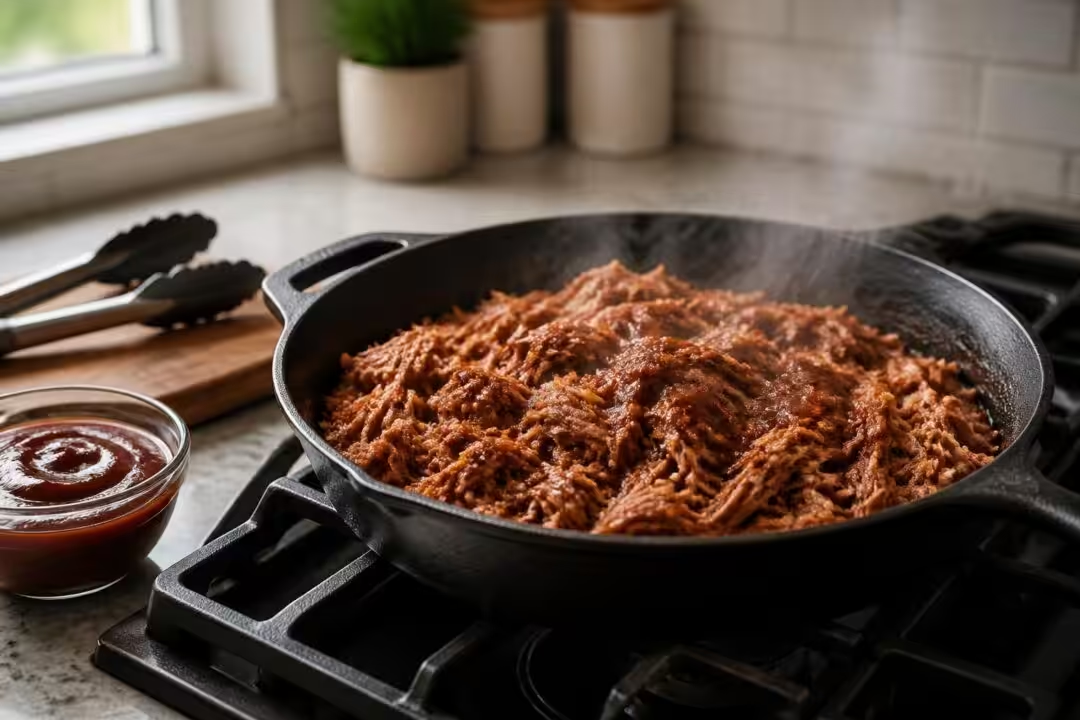
How to Reheat Pulled Pork Without Drying It Out: Gentle Heat and Added Moisture
Pulled pork is delicate once shredded: many strands and an exposed surface area mean moisture evaporates quickly under direct heat. To bring back the original tenderness, reheating must be handled with slow, controlled warmth and replenished liquid.
A working narrative follows Maya, a line cook at the fictional Holloway Smokehouse, who learned to rescue leftover trays for weekend catering. She treats reheating as a restoration process: first evaluate how it was stored, then plan the liquid to reintroduce and the appliance best suited to the portion size. This practical thread will appear throughout the guide in concrete examples.
Why gentle heat matters and the safety baseline
Shredded meat loses moisture faster than a whole roast because muscle fibers are separated. Heat applied too quickly squeezes juices out of the strands, leaving a dry, stringy result. The reliable safety benchmark remains 165°F (74°C) internal temperature, as advised by food safety authorities, to ensure reheated pork is safe to eat.
Storage status affects reheating. Pork refrigerated within two hours of cooking and kept at or below 40°F can be reheated. Frozen portions need thawing in the fridge for best texture; direct high heat from frozen to hot risks uneven warming and surface drying.
Core steps to revive pulled pork
Start by selecting a liquid that complements the original seasoning. Apple juice or cider adds brightness, broth restores savory depth, and the reserved cooking liquid recaptures smoked fat and rub flavors. For each pound of pork, aim for 1–2 tablespoons of liquid when using oven or slow cooker methods.
Next, spread the pork in an even layer in a shallow pan. Cover tightly—foil or a fitted lid traps steam and distributes gentle heat. If reheating on the stovetop, use a heavy-bottomed pan and low heat, stirring only enough to circulate moisture through the strands.
Practical example from Holloway Smokehouse
Maya had a 3-pound tray leftover after a Friday rush. She stirred in 4 tablespoons of apple cider and a splash of reserved jus, covered the tray with foil and warmed it in an oven set to 275°F. After 25 minutes she gently pulled the pork with tongs to redistribute the juices and found the bark restored and the strands glossy.
That same approach scales down: a 10-ounce lunch portion can be revivified in a microwave with short bursts and a damp paper towel, but the same principles apply—add moisture, apply gentle heat, and stop as soon as the meat reaches the safe internal temp.
- 🔑 Temperature: Target 165°F for safety ✅
- 💧 Liquid: Apple juice, broth, or reserved cooking juices per pound 🥤
- ⏱️ Timing: Low and slow > quick and hot ⏳
- 🛠️ Covering: Trap steam with foil or lid 🍽️
Mastering these basics prevents the most common failures and sets up success for oven, slow cooker, microwave, or smoker techniques described next.
Best Way to Reheat Pulled Pork: Oven Method for Juicy Results
The oven is often the best single appliance for reheating medium to large batches of pulled pork because it provides consistent, envelope-like heat that warms evenly when combined with trapped steam. For catering or family-size trays, the oven method restores texture and flavor with minimal hands-on time.
In the Holloway Smokehouse example, the oven is the preferred choice for trays destined for a busy service: pans go in at low temperature and remain moist under foil until the moment they are served.
Step-by-step oven protocol
Preheat the oven to a gentle range: usually between 250°F and 325°F (120–160°C). Lower temps lean safer for moisture retention, while the higher end shortens time for larger volumes. Transfer pulled pork to a shallow baking dish to ensure even rewarming.
Add liquid before heating. For every pound of meat, incorporate 1–2 tablespoons of apple juice, low-sodium broth, or additional BBQ sauce. This small addition prevents strands from drying and helps redistribute fat into the fibers during warming.
Seal with heavy foil, ensuring edges are tightly tucked to capture steam. Place the dish in the center of the oven and heat until the internal temperature reads 165°F. For small amounts this can take 15–25 minutes; for large trays estimate 30–60 minutes depending on volume and starting temperature.
Finishing touches and serving
Once warm, remove the foil and quickly stir in extra sauce if desired. A final 3–5 minute exposure to dry heat (uncovered) at a slightly higher oven temperature can refresh the bark on top without sacrificing moistness—use with caution and monitor closely.
This method works excellent for transportable catering pans. After reheating, slide the dish into an insulated carrier with a soft towel to keep heat without continuing aggressive cooking.
Comparative quick-reference table
| 🔥 Method | 👍 Strengths | ⚠️ Considerations |
|---|---|---|
| 🍽️ Oven | Even heating, great for trays, restores texture | Longer time; needs foil and space |
| 🫙 Slow Cooker | Hands-off, keeps warm for service | Can dilute bark; needs liquid management |
| ⚡ Microwave | Fast for single portions | Uneven heat; risk of dry spots |
| 💧 Sous Vide | Precise temperature; retains juice | Requires equipment and time |
| 🔥 Smoker/Grill | Restores smoky depth and bark | Slower and weather dependent |
When reheating in the oven, the small addition of liquid and the tight seal represent the two most important steps. These simple interventions bridge the gap between leftover and freshly served, making the oven a reliable ally for juicy pulled pork.
Slow Cooker and Stovetop Techniques: Low and Slow Reheating Methods for Consistent Texture
For situations where meat needs to stay warm for extended service, or when portability is not the limitation, the slow cooker and stovetop provide nuanced control. Both allow the pork to reabsorb moisture gradually and are excellent when texture is the priority over speed.
Maya at Holloway Smokehouse uses the slow cooker when a brunch buffet is expected to run for several hours. The pot keeps the pork in a gentle thermal zone while staff rotate small batches into the main steam table.
Precise slow cooker approach
Transfer the pulled pork into the slow cooker in an even layer. Add a modest amount of liquid—broth, cider, or sauce—so the meat sits moist but not submerged. For two to three pounds, 1/3 to 1/2 cup total is usually sufficient to prevent drying without diluting flavor.
Set the appliance to low rather than high. Low heat reduces the chance of scorching and allows the strands to plump as they reabsorb liquid. Stir every 20–30 minutes during the initial hour to distribute juices, then monitor thereafter.
Avoid keeping the pot on high for long periods. If the event lasts several hours, switch to the warm setting after the pork reaches the serving temperature; add a touch more liquid if evaporation occurs.
Stovetop pan method for small batches
A heavy skillet or Dutch oven on the stove gives quick control and can be faster than the oven for modest amounts. Use low heat, a tight-fitting lid, and a couple of tablespoons of liquid. Gently fold the strands with tongs to ensure even contact with the warm liquid.
This method is also ideal for finishing touches: add chunks of butter, spoonfuls of sauce, or a splash of vinegar to balance sweetness just before serving. Keep stirring light—overworking the meat breaks fibers into mush.
Watching a short demonstration helps solidify technique: levers to watch include liquid quantity, stirring rhythm, and dish temperature. Visual cues—glossy strands, even steam, and no dried edges—indicate proper reheating.
Examples and troubleshooting
Example 1: A wedding vendor needs six pounds of pulled pork ready by ceremony end. Two slow cookers split the load with lower lids to trap steam. Each cooker receives 1/2 cup apple cider mixed with reserved jus; after an hour on low, the meat is tender and still pull-apart soft.
Example 2: A food truck warming single portions on a busy lunch run uses a heavy skillet. Portions are warmed in 45–60 second cycles with a couple of tablespoons of broth; tongs flip the pork once for even warmth. This preserves texture while delivering speed.
Slow cooker and stovetop methods shine when texture conservation matters. Their shared advantage is the time they allow for the meat to relax and rehydrate without aggressive thermal shocks. This makes them indispensable for catering, food trucks, and at-home hosts aiming for reliably juicy results.
Quick Reheating Options: Microwave, Sous Vide, and Smoker Methods for Different Needs
When time or equipment choices dictate a faster or more inventive route, microwaves, sous vide circulators, and smokers each offer valid pathways. Each method has trade-offs between speed, texture control, and flavor retention.
The Holloway Smokehouse occasionally reintroduces smoke by popping trays onto a low-temperature smoker for 20–30 minutes when the crowd expects freshly smoked notes. This creative twist brings back aroma and slightly crisps the top without drying the interior when managed carefully.
Microwave: fast but finicky
The microwave is the quickest option for single servings. Place the pork in a shallow, microwave-safe dish, add a splash of broth or apple juice, cover loosely with a microwave-safe lid or a damp paper towel, and heat in short bursts of 20–30 seconds.
Stir gently between bursts to minimize hot spots and to spread liquid. The objective is to reach a uniform 165°F without leaving parts overcooked. Microwaves vary widely; monitor texture and temperature frequently.
Sous vide: precision for preservation
Sous vide reheating is a premium choice for those with the equipment. Seal the pulled pork in a vacuum bag with a tablespoon or two of cooking liquid, then immerse in a water bath set to the serving temperature—typically between 140°F and 165°F depending on desired texture.
Sous vide brings finesse: the meat warms evenly from edge to center without passing through aggressive temperatures that squeeze out juices. A short finish under a hot broiler or on a charcoal grill can refresh the bark if needed.
This method is ideal for chefs preparing plated dishes where texture uniformity matters and where timeline flexibility allows for a 30–60 minute bath.
Watching a sous vide walkthrough underlines the importance of bag sealing and liquid ratio. Many demonstrations show a final sear step that restores crispness to selected strands without compromising moisture.
Smoker or grill: adding fresh smoke
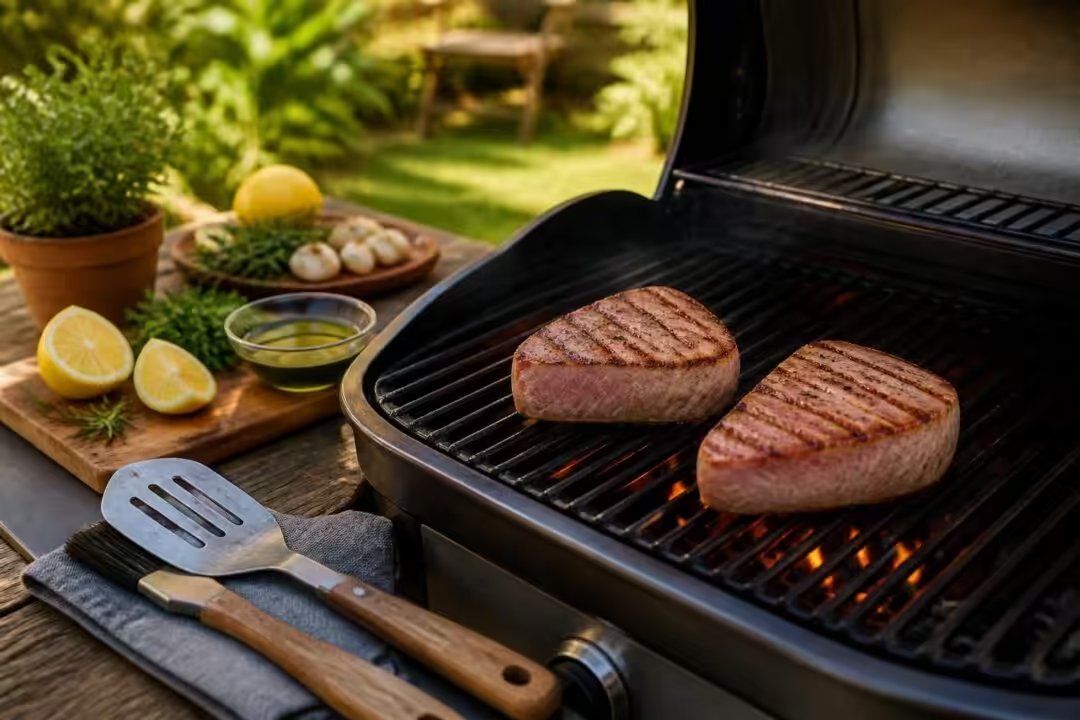
Reintroducing smoke is a creative option when flavor restoration matters. Low, indirect heat on a smoker or a closed grill can rehydrate and refresh smoke notes. Maintain a temperature around 225°F for short periods and use fruit woods for a subtle, complementary aroma.
Smoke reheating works especially well for foodservice where the sensory impact of aroma contributes significantly to perceived freshness. It requires close attention to prevent surface drying—add a drip pan and spray occasionally with apple juice if necessary.
Each quick method has its place: microwave for speed, sous vide for texture perfection, and smoker for flavor restoration. Choice depends on time, tools, and the expectation of the plate leaving the kitchen.
Common Mistakes, Creative Leftover Uses, and Practical Tips for 2026
Even experienced cooks trip up when reheating pulled pork. Highlighting typical mistakes alongside inventive uses helps avoid pitfalls and turns leftovers into star dishes.
Across the Holloway Smokehouse stories, recurring hiccups included high heat panics, neglecting to add moisture, and overmixing the meat. These errors are frequent in both home and professional kitchens and are easily prevented with a few rules of thumb.
Top mistakes and how to fix them
High heat: Reheating at high temperatures will often seal and dry strands quickly. The solution is to lower the temperature and extend the time slightly so the meat warms gently.
Not adding moisture: Refrigerated pulled pork almost always benefits from liquid. A tablespoon or two per pound can reverse dryness and renew texture.
Overmixing: Vigorously stirring breaks the meat into small, mushy fragments. Use gentle folds to distribute moisture.
- 🔥 Avoid high heat: use low-to-moderate temperatures to protect texture 🧯
- 💧 Add liquid early: apple juice, broth, or BBQ sauce per pound 🥤
- 👐 Handle gently: fold, don’t mash, to preserve strands 🪄
- 📏 Monitor temp: reheat to 165°F for safety 🌡️
Creative dishes that elevate leftovers
Leftover pulled pork is culinary gold when transformed thoughtfully. Here are practical ideas that preserve moisture and showcase flavor:
- BBQ sandwiches: Warm with a little extra sauce; add crunchy slaw for contrast 🥪
- Tacos: Brighten with citrus salsa and pickled onions to cut richness 🌮
- Loaded nachos: Spread chips, scatter warmed pork, top with cheese and bake briefly 🧀
- Baked potatoes: Spoon hot pork into split potatoes with butter and scallions 🥔
These applications benefit from gentle reheating first, then quick assembly to retain texture and temperature contrast between components.
Storage and safety reminders for modern kitchens
Proper storage matters for both safety and reheating quality. Refrigerate leftovers within two hours and consume within 3–4 days for best texture and safety. When freezing, portion in vacuum-seal bags or airtight containers to reduce freezer burn and preserve flavor.
In 2026, small commercial kitchens increasingly use precise thermal logs and smart thermometers to ensure reheating consistency. These tools help maintain food safety records and reduce waste by predicting ideal reheating windows for specific batch sizes.
| 🕒 Storage | 📦 Recommended Time | 🔑 Tip |
|---|---|---|
| Refrigerator | 3–4 days | Store in shallow containers to chill quickly ❄️ |
| Freezer | 2–3 months | Vacuum-seal to protect texture 🧊 |
| After reheating | Serve immediately | Do not refreeze once reheated 🚫 |
Finally, the best practice is pragmatic: choose the reheating method based on portion size, available time, and desired flavor profile. Combining techniques—sous vide for core temperature, then a brief smoker finish, or oven revival followed by a quick pan sear—delivers the most convincing “just-made” experience.
Key insight: Gentle heat, a measured splash of liquid, and minimal handling are the trinity that turns reheated pulled pork from acceptable to exceptional.

Hi, I’m Landon Brooks. I am the editor-in-chief of Cook and Design, but for the first decade of my working life I was actually a product designer in New York.