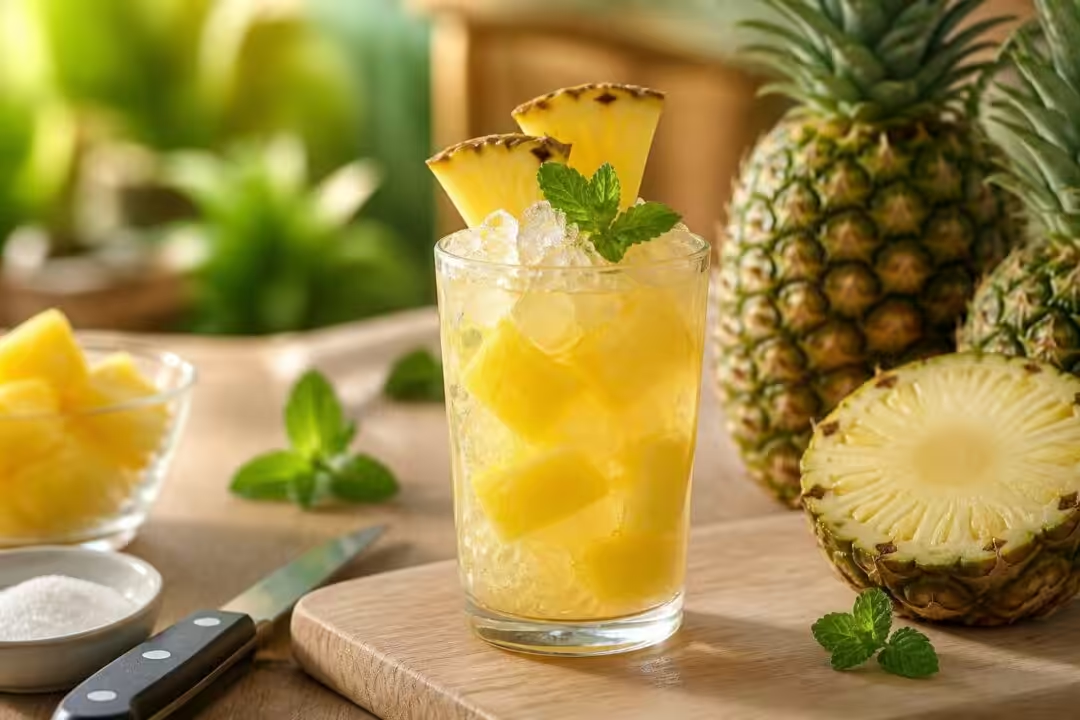
Fresh Pineapple Ice Recipe – Understanding Pineapple Ice Variations and Basics
Pineapple ice can mean many things across kitchens and cultures: a dairy-free pineapple water ice that recalls classic stand-side syrup-and-shaved-ice treats, a soft-serve pineapple similar to museum-favorite Dole Whip, or a rich, no-churn pineapple ice cream made with condensed milk and whipped cream. Each interpretation offers a different texture and serving style, and understanding those differences helps tailor the recipe to specific cravings and dietary needs.
At its core, pineapple ice celebrates the bright, tropical acidity of pineapple balanced with sweetness and cold. The simplest form is a fruit-forward ice made from puréed pineapple and simple syrup, frozen and scraped into flakes. The creamiest form uses dairy (or dairy alternatives) for a luscious mouthfeel. For households coping with lactose sensitivity, options exist to recreate the classic textures without discomfort while keeping the vibrant pineapple flavor intact.
What distinguishes popular pineapple ice types?
Dairy-based pineapple ice cream typically includes cream or condensed milk to produce a velvet texture. A popular no-churn approach blends whipped heavy cream with sweetened condensed milk and folded-in pineapple purée or crushed fruit. This yields a scoopable ice cream without an ice cream maker.
Dole Whip–style soft serve is often dairy-free and relies on stabilizers or a frozen fruit base for its soft texture. The result is a tangy, aerated treat commonly associated with theme-park counters.
Water-based pineapple ice focuses on lightweight refreshment: pineapple purée, sugar, and water become a frozen, gritty or slushy texture ideal for hot afternoons or as a palate cleanser between courses.
Why choose one version over another?
Choices depend on dietary restrictions, desired mouthfeel, and serving context. A street-food cart seeking fast portions may prefer water ice for scoop-and-serve speed. A home cook chasing decadence opts for condensed milk-based no-churn cream. For 2026, the continuing trend toward plant-forward alternatives has expanded the availability of coconut and oat creams that replicate dairy creaminess while aligning with allergen-conscious menus.
Examples help clarify: a summer backyard gathering benefits from a water ice served in cups with fresh mint. A holiday brunch pairs the richer, no-churn pineapple ice cream with warm cake or rum-soaked pineapple rings. A family with lactose intolerance can substitute coconut whipping cream and use a stabilizer for a Dole Whip–like result, creating a familiar profile without digestive upset.
Operationally, kitchens paying attention to logistics will note that canned pineapple offers consistency and year-round availability, while fresh pineapple provides brightness and control over sweetness. Draining canned fruit and reducing its syrup can concentrate flavor for more intense ice profiles. For artisanal stalls, sourcing pineapples from local growers in season (when available) elevates color, aroma, and texture.
Key takeaway: choose a pineapple ice style that matches the occasion and audience—whether a dairy-rich scoop, a dairy-free soft serve, or a refreshingly simple water ice. This clarity guides ingredient choices and technique, setting up the recipe approach in the next section.
How to Make No-Churn Pineapple Ice Cream with Condensed Milk – Step-by-Step Recipe and Techniques
The no-churn method for pineapple ice cream removes the need for an ice cream maker while delivering a richly textured frozen dessert. This method works by whipping heavy cream to soft peaks, folding in sweetened condensed milk for sweetness and structure, then incorporating pineapple for flavor and texture. The process is straightforward and ideal for cooks seeking a reliable result with minimal equipment.
Essential ingredients and quantities for a classic batch:
- 🟡 2 cups heavy whipping cream — provides the creamy backbone.
- 🥫 14 ounces sweetened condensed milk — sweetens and stabilizes.
- 🧂 ½ teaspoon vanilla extract — rounds the flavor.
- 🍍 16 ounces canned crushed pineapple, drained — adds fruit body and juice.
The method unfolds in clear, reproducible stages. First, chill the mixing bowl and whisk to keep the cream cold, which helps it whip faster and hold air. Whip the heavy cream on medium speed until soft peaks form; this usually takes 3–5 minutes. Soft peaks are ideal because they fold easily into the condensed milk without deflating completely.
Next, fold in the sweetened condensed milk and vanilla until homogenous. Careful folding preserves the aeration created by whipping, which contributes to a light texture in the frozen product. Stir in the drained crushed pineapple so that the fruit disperses evenly.
Transfer the mixture to a freezer-safe container, cover tightly, and freeze for a minimum of 6–8 hours or until solid. To serve, allow the container to stand at room temperature for a few minutes to soften slightly, then scoop. For a creamier scoop straight from the freezer, dip the scoop in hot water between passes.
Practical tips to enhance texture and flavor
For amplified pineapple intensity, substitute some canned syrup with pineapple juice reduction or add a few drops of pineapple extract. To prevent large ice crystals, ensure the mixture is as cold as possible before freezing and store it in an airtight container; press a sheet of plastic wrap directly on the surface before sealing to further minimize freezer burn.
Alternatives and variations encourage creativity: replace dairy cream with stabilized coconut cream for a dairy-free version, or fold in small chunks of macerated fresh pineapple for texture contrast. Mix-ins such as toasted coconut flakes or chopped macadamia nuts add crunch and a distinct Hawaiian profile.
For kitchens where cost-control matters, note that making ice cream at home is not always cheaper than buying premium commercial tubs. However, the flexibility to adjust sweetness, texture, and add-ins, plus the joy of the process, often justifies the effort.
Affiliate note: this recipe may contain links to recommended tools and ingredients. Purchasing through those links can help support recipe testing and site maintenance.
Final insight: the no-churn method balances ease and indulgence, yielding a scoopable, tropical dessert that shines with thoughtful tweaks—next, techniques for choosing and prepping pineapple will refine the flavor even further.
Choosing Fresh or Canned Pineapple – Techniques for Best Flavor and Texture in Pineapple Ice
The choice between fresh and canned pineapple shapes both flavor complexity and practical workflow. Fresh pineapples bring bright acidity, fragrant aromatics, and textural variety. Canned pineapple offers convenience, consistent sweetness, and year-round availability. Understanding how to handle either form ensures the final pineapple ice achieves the desired balance of tang and sweetness.
When selecting fresh fruit, look for a pineapple with a fragrant nose at the stem end and a slight give when pressed. Avoid overly green or hard fruit, which indicates underripeness and muted sweetness. Ripe pineapples often have golden hues and emit a tropical fragrance even before slicing.
Preparing fresh pineapple for ice
Peel and core the pineapple, then chop it into small pieces. For a smoother ice, purée the fruit and, if needed, pass it through a fine sieve to remove fibrous bits. For maximal texture, reserve some diced pieces to fold into the base after blending.
When using canned pineapple, drain thoroughly to avoid diluting the fat-sweetness matrix of the ice cream. For a more concentrated pineapple punch, reduce the leftover syrup in a small saucepan to a jam-like consistency and add a tablespoon or two back into the mix. This concentrates flavor without adding excess liquid.
Freezing canned pineapple is possible, but transfer to a freezer-safe container or bag; metal cans must not be frozen with their original tin for safety reasons. Label and date frozen fruit; a frozen canned pineapple portion will keep for months, allowing rapid assembly of pineapple ice when the mood strikes.
Salt soaking and flavor balancing
A lesser-known trick involves briefly soaking fresh pineapple in a mild salt solution; this technique reduces bitterness and amplifies sweetness by drawing out sap-like components. Use a light saltwater bath (a teaspoon per cup of water) for 10–15 minutes, then rinse and pat dry. This step is particularly helpful for pineapples that taste slightly astringent.
Examples from practice: a street vendor in a tropical tourist spot once improved customer satisfaction by switching from a generic canned brand to locally grown seasonal pineapples, balancing small increases in cost with a huge uptick in repeat buyers because of superior aroma and color. Similarly, a home baker who preferred canned convenience found that reducing syrup and adding a touch of fresh lime brightened the profile enough to approximate the fresh-fruit vivacity.
Key practical list:
- 🍍 Fresh pineapple: best for aroma and brightness—purée or dice depending on texture goals.
- 🥫 Canned pineapple: ideal for consistency and convenience—drain well and consider reducing syrup.
- 🧂 Salt soak: optional step to reduce bitterness and intensify sweetness for certain fruits.
- ❄️ Freezing tips: never freeze in a metal can; label and use airtight packaging.
Final insight: both fresh and canned pineapple have distinct advantages; matching selection and prep methods to the desired ice texture unlocks the best tropical flavor for any setting.
Creative Serving Ideas and Tropical Pairings for Pineapple Ice – Presentation and Menu Applications
Serving pineapple ice invites playful pairing and presentation strategies. The dessert adapts to casual poolside servings, elegant plated desserts, and hybrid beverages. Small touches can shift perception: a scoop in a pastry shell suggests indulgence; a simple cup with a paper straw evokes summer nostalgia.
Classic pairings lean into the tropics: toasted coconut flakes and macadamia nuts complement pineapple’s acidity with crunch and buttery depth. A spoonful of rum-soaked pineapple rings served alongside the ice creates a boozy adult version. For non-alcoholic options, a drizzle of passion-fruit coulis or a sprinkle of chopped candied ginger offers complex counterpoints.
Examples of creative applications
One notable application is using pineapple ice as an accompaniment to a warm cake. A slice of pineapple upside-down rum cake warmed slightly and topped with a scoop of pineapple ice produces a contrast of temperature and texture that diners find irresistible. Another popular hybrid is blending scoops of pineapple ice with milk or coconut milk to craft a quick pineapple milkshake.
For a festival booth or a casual catering scenario, serve pineapple ice in edible cups made from waffle cones or small pastry shells for instant portability and zero-dish service. Garnish with a mint sprig or a flamed lime wedge to introduce aromatic nuances.
Creative topping suggestions include:
- 🌴 Toasted coconut flakes for nutty crunch.
- 🥥 Chopped macadamia or roasted almonds for texture contrast.
- 🍒 Bright maraschino cherries or candied citrus peel for color and chew.
- 🍸 Rum or dark sugar syrup drizzle (for adult servings) to amplify caramel notes.
Case study: a pop-up called “Kapiolani Scoop” experimented with three pineapple formats across a weekend: water ice sundaes, no-churn creamy scoops, and pineapple milkshakes. Customer feedback indicated that the creamy scoop sold best as a solo dessert, while the water ice performed strongly as a refreshing add-on to savory street-food plates.
Final insight: presentation and pairing transform pineapple ice from a simple frozen treat into a versatile menu component suitable for family tables, street-food stalls, and contemporary dessert menus alike.
Practical Tips, Storage, Nutrition, and Troubleshooting for Pineapple Ice
Successful pineapple ice hinges on small but crucial practical decisions: how to store, how to prevent icy textures, and how to adapt for allergens. Attention to these operational details preserves flavor and texture through storage and service.
Storage and freezer management
Store pineapple ice in an airtight container to reduce freezer burn and crystallization. For best texture, press plastic wrap directly onto the ice surface before sealing the lid. Keep the container in the coldest part of the freezer, not the door, to avoid temperature fluctuations. Homemade ice is best consumed within 2–3 weeks; beyond that, flavor diminishes and texture degrades.
Freezing canned pineapple should follow safety norms: never freeze contents inside the original metal can. Instead, transfer to sealed containers or freezer bags and label with date and content.
Troubleshooting common problems
If the ice becomes too hard, allow it to sit at room temperature for 5–10 minutes before scooping. If large ice crystals develop, reblend the semi-thawed mixture and refreeze in smaller containers to speed freezing and reduce crystal size. For recipes with dairy, stabilizers such as a small amount of glucose or cornstarch slurry can help improve scoopability after extended storage.
For lactose-sensitive diners, dairy-free adaptations using full-fat coconut cream and condensed coconut milk mimic the creaminess of traditional condensed milk. Alternatively, a Lactaid pill option remains valid for those who tolerate enzymatic support.
Nutrition snapshot and portion guidance
| 🍽️ Yield | 🔢 Serving Size | 🔥 Calories per Serving |
|---|---|---|
| 🥣 12 servings | 🥄 1 scoop | 🍚 ~301 kcal |
| 🧈 Total Fat | 🧾 Saturated Fat | ⚖️ Protein |
| 🌿 18 g | 🥥 12 g | 🍗 5 g |
Note: nutritional values are estimates. When adapting ingredients (e.g., switching to coconut cream), macronutrient profiles will shift—plan accordingly for dietary goals.
A brief cost reflection: making pineapple ice at home is often more about creative control than saving money. Specialty ingredients—like macadamia nuts or aged rum—add cost but elevate the final product. The hidden value lies in customization, from sweetness levels to mix-ins, and in the educational value of involving family or guests in the process.
Example scenario for troubleshooting: a caterer preparing pineapple ice for a summer event faced melting issues during transport. The solution combined pre-freezing individual portions in insulated carriers and finishing scooping on-site from a cooler with dry ice for brief service windows. This approach preserved presentation and texture through a two-hour outdoor service.
Final insight: mindful storage, thoughtful ingredient swaps, and simple technical fixes keep pineapple ice tasting fresh and looking professional—closing the loop on recipe execution and service for this tropical favorite.

Hi, I’m Landon Brooks. I am the editor-in-chief of Cook and Design, but for the first decade of my working life I was actually a product designer in New York.