
| In this story / Sections 📚 | Key notes / What to remember ✨ |
|---|---|
|
|
What Are Dan Dan Noodles? Authentic Sichuan Dan Dan Noodles Explained
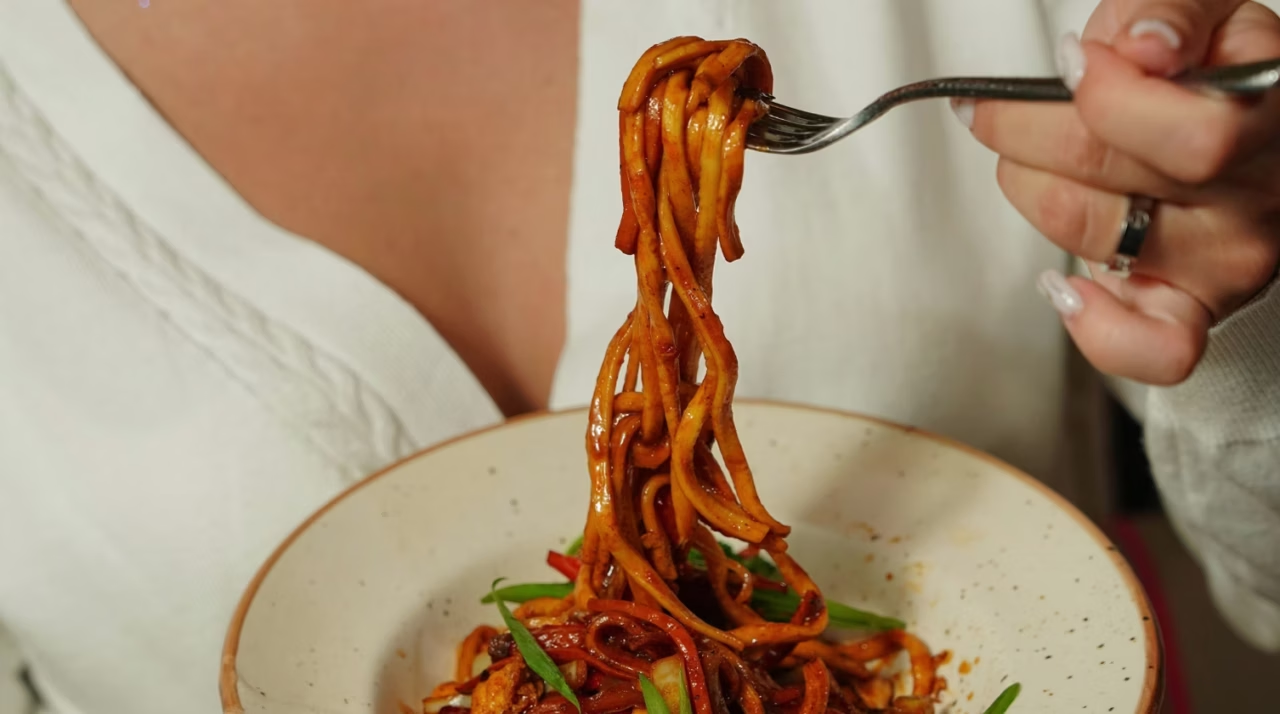
Dan Dan noodles are a compact Chengdu street-food classic built around a concentrated, clingy sauce and a small topping of seasoned pork. The modern bowl reads as three distinct things stacked for mixing: a thick sesame-and-chili paste pooled at the bottom, a tangle of hot thin wheat noodles, and a savory, crisped ground pork with preserved mustard greens. Together they deliver the trademark triple hit of nutty, spicy, and numb—the last coming from ground Sichuan peppercorn.
The name points directly to how the dish was sold. In 19th-century Chengdu vendors carried two baskets on a shoulder pole called a dan (担): one with bowls and toppings, the other with a small brazier and sauce. Portions were intentionally small so vendors could keep walking and serving. That mobility shaped the recipe: sauce needed to be intense and portable, noodles were quick to cook, and toppings were compact but bold in flavor.
Historical records show the carrying-pole tradition persisted into the mid-20th century, and the recipe spread across China during the migration decades of the 1980s. Each vendor kept a signature sauce ratio, which is why neighborhood rivalry mattered; a bowl from one lane could taste wildly different from another. The street origin also explains why authentic Dan Dan bowls are modest in size—originally a snack, not a heaping entree.
What distinguishes Dan Dan from other Sichuan noodles is the dry, clingy format. Unlike Chongqing xiaomian (brothy and heat-forward) or Sichuan cold noodles (lightly dressed and served chilled), Dan Dan uses a paste that intentionally clings to every strand. Japanese tantanmen borrowed elements but added a broth, turning it into a soup; Americanized sesame noodles often remove the heat entirely. The Chengdu original remains unapologetically intense and compact.
For home cooks in 2026, reproducing an authentic bowl means respecting three structural truths: keep the sauce concentrated, crisp the meat topping until almost too crunchy, and use thin wheat noodles that cling. Those three details are the spine that makes a proper Dan Dan bowl memorable rather than merely spicy. The next section unpacks each ingredient with exact ratios and practical pantry advice to make that memory reproducible.
Core Ingredients for Dan Dan Noodles: Sesame Paste, Chili Oil, Sichuan Peppercorn
the sauce is the soul, and its components are non-negotiable in function even if they are flexible on form. Breaking the list into three parts—sauce base, meat topping, and noodle carrier—helps simplify shopping and mise en place. Across each ingredient, the guiding principle is restraint: concentrated flavors used sparingly so every bite remains balanced and the small bowl format stays true.
Sauce base (per serving): 2 tbsp Chinese sesame paste, 1–2 tbsp chili oil with sediment, 1 tbsp light soy sauce, 1 tsp Chinkiang black vinegar, 1/2 tsp freshly ground roasted Sichuan peppercorn, 1/2 tsp sugar, 1 clove minced garlic, and optionally 1/4 tsp MSG or chicken bouillon powder. These quantities create a thick paste that will be loosened with hot noodle water during assembly.
Key pantry notes: Chinese sesame paste (zhima jiang) is darker and more concentrated than tahini; stir well before measuring because oil separates. Chili oil should include the sediment—the crunchy flakes are textural punctuation. Pre-made chili oil is fine in a pinch, but homemade—hot oil infused with dried Sichuan chili flakes, star anise, and bay leaf—adds depth and keeps well for weeks.
Meat topping and preserved greens: ground pork (70–80% lean) renders a little fat that perfumes the bowl. For two servings, ~150 g (about 1/3 lb) is the right amount; this is a garnish of intensity, not a meat-heavy entree. Add 2 tbsp finely chopped ya cai (preserved mustard greens) for funk and salt. Rinse and chop the ya cai if it is briny; the fermented vegetable is what often separates authentic bowls from imitations.
Substitutions that respect the dish: peanut butter or thinned tahini can stand in for sesame paste if needed, but add toasted sesame oil to nudge the flavor closer. For sesame allergy, sunflower seed butter thinned with neutral oil is a workable swap. Gluten-free: replace wheat noodles with rice or sweet potato glass noodles and use tamari. Vegan: replace pork with crumbled extra-firm tofu or finely diced shiitake that crisp in a hot pan, and double the ya cai for savory weight.
Small but crucial calls: purchase whole Sichuan peppercorns and toast them before grinding; pre-ground loses its floral citrusy punch rapidly. Buy ya cai in vacuum-sealed packages—one jar stretches through many bowls. Keep the sauce portions jarred and ready: a single batch can become a weeknight hero when topped with quick-crisped protein and freshly cooked noodles. The takeaway: ingredient quality and the right ratios create a concentrated sauce that doesn’t overwhelm—allowing the numbing peppercorn and nutty sesame to shine together, not fight.
Technique and Step-by-Step Assembly for Perfect Dan Dan Noodles (Exact Ratios & Timing)
Cooking Dan Dan at home is mostly about timing and sequence rather than exotic technique. The canonical insight: build the sauce directly in each serving bowl, cook the noodles last, and use reserved starchy noodle water to transform sesame paste into a glossy, clingy emulsion. This section provides a practical, timed workflow and real-world tips that bridge street-food logic and a modern American kitchen.
Start with mise en place: measure the sauce into individual bowls so each diner gets an identical portion. For two servings, combine in each bowl: 2 tbsp sesame paste, 1–2 tbsp chili oil (start low), 1 tbsp light soy sauce, 1 tsp black vinegar, 1/2 tsp ground Sichuan pepper, 1/2 tsp sugar, 1 clove minced garlic. Do not add water yet; the hot noodle water will do the job.
For the pork topping: heat a wok or large skillet until very hot, add 1 tbsp neutral oil, and add 150 g ground pork. Resist the urge to stir constantly at the start; allowing the meat to sit for 30–60 seconds creates deep browning. Break into small crumbles and add 2 tbsp rinsed, chopped ya cai. Deglaze with 1 tsp Shaoxing wine and 1 tsp light soy sauce. Continue stir-frying until the pork is dry and deeply golden—this creates the crisp texture that offsets the silky sauce.
Next, bring a large pot of water to a vigorous boil. Fresh thin wheat noodles cook fast—typically 2–3 minutes—so watch closely and pull them 20–30 seconds early. Before draining, ladle 2–3 tbsp of starchy cooking water into each sauce bowl. Stir vigorously to loosen the paste; the starch emulsifies the sesame and oil into a smooth sauce that coats every strand.
Drain the noodles well (waterlogged strands dilute the sauce) and transfer hot noodles directly into each sauce bowl. Top with the crisped pork and ya cai. Garnish with chopped scallions, crushed roasted peanuts (optional), a sprinkle of extra ground Sichuan peppercorn, and a small drizzle of chili oil for those who want more heat.
Practical timing tip for a two-person dinner: while the pork is crisping, boil water and set the bowls. The noodles should hit the pot just as the pork finishes. A single 25–30 minute run-through will produce piping-hot bowls that require no further heating. For larger groups, batch the pork and portion the sauce to speed assembly.
Final technical notes: undercook noodles by 20–30 seconds so residual heat completes them during mixing; never rinse the noodles—hot strands absorb sauce better; use starchy water, not plain, to reach the correct mouthfeel. These small discipline points keep the bowl concentrated and texturally vibrant—exactly what makes Dan Dan noodles memorable rather than merely piquant. 🥢
Variations, Shortcuts, and Regional Styles of Dan Dan Noodles
Once the classic method is mastered, experimenting becomes the creative part. There are three broad axes of variation: protein swap (tofu, mushrooms), format (dry vs. soupy), and regional ingredient emphasis (extra ma—numbing—or extra heat). Each choice shifts the bowl’s balance and suits different weeknight needs or dietary constraints.
Vegan variation: use crumbled, pressed extra-firm tofu or finely diced shiitake that are cooked on high until deeply caramelized. Season with soy, a pinch of five-spice, and increase the ya cai to compensate for the missing pork umami. Textural work—pressing tofu, crisping mushrooms—gives the vegan version the same savory bite as the original.
Gluten-free: swap in rice or sweet potato glass noodles and use tamari in place of soy. Expect a different chew; the sauce ratio needs slight adjustment because some rice noodles absorb liquid faster. Reduce added water when emulsifying and increase sesame paste marginally to maintain cling.
Regional and quick-weeknight options: the tang ban (soupy) style adds a ladle of pork or chicken broth for a lighter mouthfeel. Some households add crushed peanuts as a core component rather than a garnish. For a 20-minute shortcut, use a high-quality chili crisp like Lao Gan Ma, thinned unsweetened peanut butter for sesame paste, and pre-ground peppercorn (freshly opened) to keep the heat and numbing effect present.
Storage and meal prep: batch the sauce into jars for up to 5 days and the pork topping for 3–4 days. Freeze larger batches of sauce or pork for up to two months. Cook noodles fresh when possible—stored noodles clump and lose textural integrity. If reheating pork, restore crispiness in a dry skillet rather than microwaving.
| Style 🍜 | Sauce Style 🥄 | Protein & Toppings 🥓 | Signature Sensation ⚡ |
|---|---|---|---|
| Dan Dan (Chengdu) 🏮 | Thick, clingy paste 🧴 | Ground pork + ya cai 🥬 | Numbing + spicy (ma la) 🔥 |
| Chongqing Xiaomian 🔥 | Brothy, soupy 🍲 | Often lard or beef, spicy oil | Pure heat forward 🌶️ |
| Sichuan Cold Noodles ❄️ | Light, pourable dressing 🧂 | Shredded chicken or none | Tangy and aromatic 🍋 |
Experimentation should always start from the baseline: keep the sauce concentrated and the pork topping texturally assertive. That restraint preserves the dish’s identity even when swapping ingredients: a vegan or gluten-free bowl can still be unmistakably Dan Dan if the sauce-to-noodle balance and the numbing note from Sichuan pepper remain present. Final insight: variation is a tool, not a replacement for core technique—respect the spine and the bowl will hold together.
Serving, Pairings, and Design Considerations for the Perfect Dan Dan Bowl
Dan Dan noodles are as much a design exercise as they are a flavor one. The visual contrast between white noodles, glossy red chili oil, and a scatter of green scallions reads immediately; bowls should be composed so the diner is invited to mix. Consider a deep, matte bowl in navy or soft cream to frame the red and green—this restraint helps the colors pop and aligns with the Cook and Design aesthetic viewers expect.
side dishes that cut through richness work best: smashed cucumber salad dressed in black vinegar and garlic, quick pickled radish, or a cold wood-ear mushroom salad. These elements provide textural contrast and acidity that refresh the palate between concentrated bites. Avoid starchy companions like rice or dumplings that only add weight; Dan Dan noodles function as the starch in the meal.
Drink pairings: a cold lager or pilsner cleanses the palate; iced jasmine tea adds a floral counterpoint; chilled sour plum juice (suanmei tang) offers a traditional sweet-tart option. Avoid dairy-based drinks that mute the numbing sensation of the Sichuan peppercorn.
Plating tips for photographers and home cooks: assemble the sauce in the bowl first so the red surface of chili oil is visible; nest the noodles on top for height; crown with the crisp pork and a neat scatter of scallions and optional crushed peanuts. For single-shot photography, a three-quarter overhead angle with negative space and a single imperfect prop—a napkin or wooden spoon—works well for editorial spreads.
Nutrition and practical considerations: a standard serving ranges ~550–650 kcal with 22–25 g protein. Cutting back on sesame paste and reducing oil can lower calories if desired. For meal prep, portion sauce and pork separately; fresh noodles cook in minutes, preserving best texture. If storing cooked noodles is unavoidable, toss with a teaspoon of sesame oil and reheat by dipping briefly in boiling water.
Final design insight: Dan Dan noodles reward considered restraint—measured sauce, focused toppings, and a clear visual frame. In that restraint, every ingredient earns its place and the bowl becomes compact, memorable, and beautifully balanced. That final discipline is what turns a quick weekday bowl into an editorial-worthy moment on the table. 🍜

Hi, I’m Landon Brooks. I am the editor-in-chief of Cook and Design, but for the first decade of my working life I was actually a product designer in New York.
4 Comments
The sauce’s layered depth mirrors urban green strata—savory, spicy, numb. A compact ecosystem worth savoring.
The starch-emulsified sesame is a zero-waste colloid solution. Cleaner emulsifier, richer texture. Sustainability tastes good.
Visual hierarchy done right: chili red, sesame white, pork brown. Each element kerned to perfection on the bowl’s canvas.
Landon, the dan-dan shoulder pole proves efficient street logistics. My bike-lane designs could learn from its compact, mobile rhythm.
Les commentaires sont fermes.