Homemade Sausage Rolls: the Best Pork and Fennel Recipe (What They Are and Why They Win Hearts) 🥐
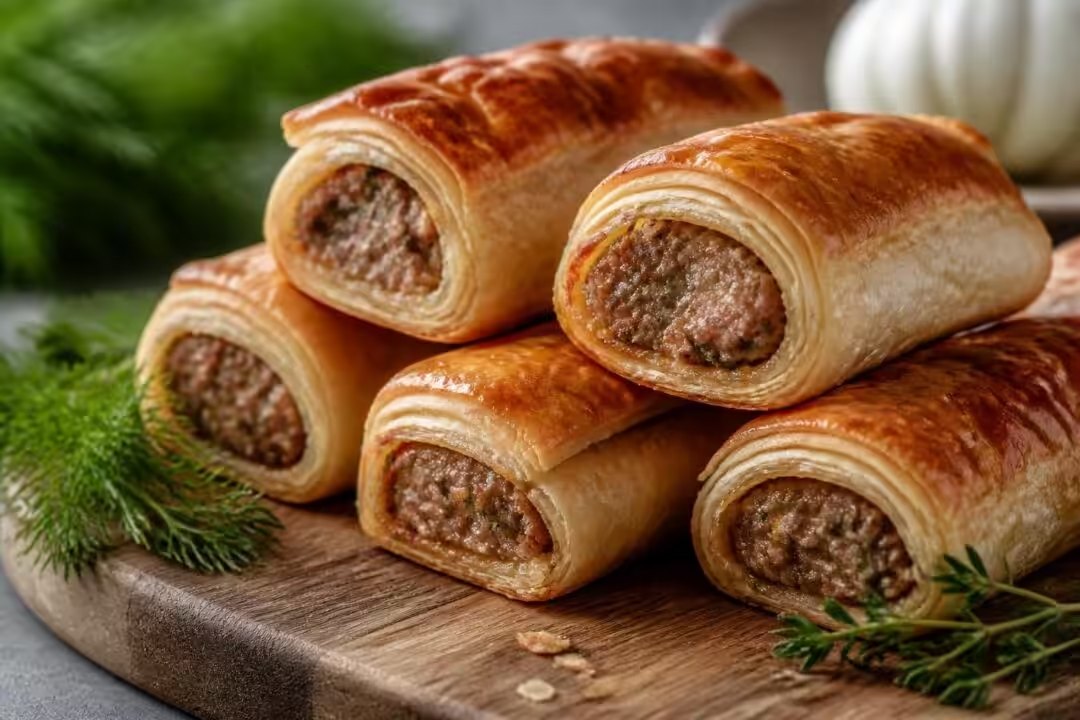
Homemade sausage rolls sit in a delicious space between everyday comfort and party-worthy baking. At their core, they are seasoned minced meat wrapped in pastry, brushed with egg for shine, then baked until the exterior turns crisp and golden. That deceptively simple definition hides the real magic: the contrast between juicy, aromatic filling and shatteringly flaky puff pastry. In commonwealth food culture—especially in New Zealand, Australia, and the UK—sausage rolls are a café staple and a lifelong lunchbox memory. Yet plenty of American home cooks still treat them like a novelty, often confusing them with “pigs in a blanket.” The resemblance is visual, but the experience is different: sausage rolls are about spiced mince, not a whole hot dog, and the pastry is meant to be crisp and laminated, not bready.
One useful way to frame the dish is as a format rather than a single recipe. The protein can be pork, beef, chicken, lamb, or veal, and the pastry can be puff pastry or (less commonly) shortcrust. What makes a “best” version is the attention to texture management: mince that stays cohesive instead of crumbly, seasoning that blooms rather than tastes raw, and pastry that bakes through without turning greasy. These are not accidents; they are outcomes of choices like how onions are cooked, how spices are toasted, and how the log is chilled before slicing.
The most beloved flavor lane for this snack is the classic pork and fennel pairing, inspired by Italian sweet sausage and embraced by Australian bakeries. Fennel’s anise-like warmth cuts through richness and keeps pork tasting bright rather than heavy. It also plays unusually well with herbs like thyme, rosemary, and sage. When done right, each bite tastes rounded—savory first, then aromatic, then slightly sweet from the meat itself.
To illustrate why technique matters, imagine a fictional but familiar setting: a neighborhood café prepping for a Saturday sports crowd. The owner wants sausage rolls that stay crisp on the counter, remain juicy after reheating, and taste “special” without being fussy. The solution is not extra salt or more sauce; it’s properly hydrated crumbs, balanced fat, and a fennel-forward perfume that reads gourmet even when served with simple tomato sauce. A small upgrade—like caramelizing onion or toasting fennel seeds—can make the same ingredient list taste like it came from a patisserie.
That leads naturally to the signature twist that elevates the traditional pork-and-fennel base: caramelized apple. Apple sounds sweet, but in a savory mince it behaves like a seasoning—adding gentle fruit acidity and a faint honeyed note that makes fennel taste more vivid. The key is keeping the apple as tiny pieces rather than purée, so the filling gets distinct bursts of flavor without becoming loose. That detail becomes the bridge into the craft side: building a filling that’s smooth, juicy, and sliceable, then wrapping it in pastry that bakes evenly every time. The next section moves from “what it is” to “how it becomes exceptional.”
Best Pork and Fennel Sausage Roll Filling: Seasoning, Juiciness, and the Apple Upgrade 🍏
A truly standout filling for homemade sausage rolls starts with a simple objective: keep the mince juicy while concentrating flavor. Pork is ideal because it carries seasoning beautifully, but the most common home-cook pitfall is choosing meat that’s too lean without compensating fat. Lean pork can taste clean and modern, yet it dries out quickly in a hot oven. A smart fix is adding butter-melted breadcrumbs—not as filler, but as a moisture buffer. The crumbs soak up buttery fat and released juices, then redistribute them during baking so the interior stays succulent rather than grainy.
Fennel brings the “best pork and fennel recipe” identity into focus, but it needs handling. Using fennel seeds straight from the jar can taste dusty. Toasting them briefly in a dry pan wakes up their essential oils; grinding afterward creates a powder that disperses evenly through the meat. The effect is more integrated than leaving whole seeds, which can pop sharply in the mouth. Both styles have fans, but ground toasted fennel gives a more bakery-like, cohesive flavor profile.
The caramelized apple element works best when treated like an ingredient with boundaries. Apples cut into tiny batons (about 1 cm thick, then sliced thin) caramelize fast and keep structure. Purée or applesauce blends too thoroughly into the pork, making the filling taste generically sweet rather than intentionally layered. In other words: small pieces create recognizable apple notes; purée creates background sweetness. For a refined result, the pieces should be cooked until the pan is nearly dry—concentrating sugars—then cooled so they don’t melt the pork fat prematurely when mixed.
Caramelized apple technique for sausage roll filling (without turning it mushy) 🔥
Caramelization is flavor engineering: butter for richness, onion for depth, sugar for browning, and a splash of apple cider for acidity. Onions sautéed until golden build a base that tastes “slow-cooked” even when dinner is made on a weeknight. After that, apple goes in with salt so it softens while still keeping a bit of bite. Chili flakes add a gentle heat that offsets sweetness; cayenne can do the same in smaller amounts. The pan should finish with reduced liquid, because wet additions can cause the pastry seam to fail.
Cooling is not optional. Warm apple-onion mixture melts fat and loosens proteins, and that can lead to filling that’s either greasy or crumbly after baking. A cooled mix blends smoothly, binds better, and makes shaping a neat log far easier. The difference is visible: a properly mixed filling slices cleanly when the baked roll is cut, instead of breaking into loose granules.
Herbs, aromatics, and the “no bland bite” rule 🌿
Thyme is a reliable partner for pork and fennel; rosemary or sage can replace it for a more robust, wintery edge. Garlic should be chopped finely so it perfumes the mixture rather than creating hot pockets. Black pepper provides warmth, while a pinch of cayenne builds a lingering finish. Salt needs to be assertive because puff pastry is rich and can mute seasoning; the best results taste properly seasoned even when eaten plain, without any dipping sauce.
For cooks who like a more “delicatessen” profile, parmesan can be folded into the mince. It adds umami and a subtle salinity that reads sophisticated without overpowering fennel. Another classic bakery move is stirring in a small amount of tomato paste cooked with onions; it deepens color and adds a savory tang that pairs nicely with apple.
Below is a practical guide for building a balanced pork-and-fennel filling, with options that suit both classic and apple-enhanced styles.
| Component | Purpose | Pro tip |
|---|---|---|
| 🐖 Ground pork | Primary flavor and texture | Use good quality mince; if very lean, add butter-soaked crumbs to prevent dryness |
| 🌰 Toasted ground fennel | Aromatic lift and classic profile | Toast briefly, then grind; it tastes brighter and disperses evenly |
| 🍏 Caramelized apple pieces | Sweet-tart contrast and bursts of flavor | Keep pieces tiny; reduce pan liquids to avoid a soggy seam |
| 🍞 Breadcrumbs + melted butter | Juiciness insurance | Pour melted butter onto crumbs first, then mix into pork for better distribution |
| 🌶️ Chili flakes / cayenne | Balances sweetness, adds warmth | Use a “background heat” level; it should amplify fennel, not dominate |
The fill-and-wrap stage is where this flavorful mixture becomes a sausage roll rather than a meat pastry. Precision matters: a neat, even log cooks evenly, and the pastry bakes up crisp all around. With the filling dialed in, the next step is mastering the assembly so the rolls look bakery-perfect and slice cleanly for parties, picnics, and lunch boxes.
How to Assemble Homemade Sausage Rolls with Puff Pastry: Seam, Slits, and Golden Finish ✨
Assembly is the moment where many sausage roll recipes either become effortless or quietly frustrating. The difference usually comes down to temperature and geometry. Puff pastry must be cold but pliable; too frozen and it cracks, too warm and it turns sticky, stretching instead of layering. A practical rhythm is to thaw pastry in the fridge until it bends without breaking, then work quickly on a lightly floured surface so the butter layers remain intact.
Shaping the filling into an even line is more than aesthetics. A consistent thickness ensures the center reaches a safe temperature without overbaking the ends. Leaving a small margin—about 1 cm—keeps egg wash from sliding into the filling and prevents leaks. Egg wash on the edges is the “glue” that seals the overlap; pressed gently, it creates a tight seam that holds as steam expands inside the pastry.
Step-by-step assembly that behaves like a bakery method 🧑🍳
Many home cooks find it easiest to divide the filling into four equal portions and use two pastry sheets cut into rectangles. Each portion becomes a long log, rolled tightly and sealed with an overlap. The roll should be placed seam-side down on the tray so the weight keeps it closed during baking. For clean portions, a serrated knife with a gentle back-and-forth motion cuts without crushing layers. That small detail preserves puff pastry lift—crushed edges can fuse and bake dense.
Slits on top are not decoration alone. They vent steam so the pastry expands evenly rather than bursting at the seam. Two small cuts per piece are enough. Over-slashing can dry the top edge of the filling; under-slashing can cause blowouts. The goal is controlled escape of steam, not exposure.
Egg wash, seeds, and salt: the finishing trio 🥚
Egg wash creates that unmistakable deep golden sheen associated with great pastry counters. It also helps seeds adhere. Black sesame looks dramatic; white sesame reads classic; poppy seeds add a gentle nuttiness. A few flakes of sea salt on top can sharpen the first bite, but it should be used with restraint so the filling remains the star. The visual payoff is immediate: glossy tops, crisp edges, and a professional look that invites guests to reach for “just one more.”
Oven management matters. A two-stage approach can work beautifully: begin at a moderate heat to let the filling start cooking without scorching the pastry, then increase temperature to finish browning and crisping. Many home ovens vary, so watching for cues is smarter than clinging to the clock. The pastry should be deeply golden, not pale, and the filling should be fully cooked. For food safety and consistency, an internal temperature of 160°F (71°C) for pork is the reliable target.
For party planning, a powerful professional trick is chilling assembled logs until the pastry feels firm before slicing and baking. Cold pastry holds its shape, keeps layers distinct, and reduces shrinkage. This is the bridge between a casual snack and a platter that looks like it came from a specialty bakery.
When these rolls come out of the oven, a brief rest prevents the filling from rushing out when bitten. Served warm, they deliver a sequence: crisp crackle, buttery layers, aromatic fennel, then a gentle apple sweetness that lingers. The next section focuses on serving strategy—how sauces, sides, and timing can elevate the experience without masking the flavors that were carefully built.
Serving Pork and Fennel Sausage Rolls: Dips, Pairings, and Crowd-Pleasing Moments 🍷
Sausage rolls can be served in a hundred contexts—picnics, game nights, afternoon tea, lunch boxes, or a relaxed holiday table—and the best serving strategy respects what makes them special: balanced seasoning and pastry texture. When a pork-and-fennel filling includes caramelized apple, the flavor profile becomes more nuanced, and that changes how dips and sides should behave. The goal is to complement, not cover. Too much ketchup can flatten the fennel perfume and hide the apple’s sweet-tart sparkle.
A simple tomato sauce can still work, especially if it is not overly sweet. A lightly tangy sauce with a bit of acidity—think tomato with a touch of vinegar—keeps the palate fresh. Mustard is another strong option, but it should be used thoughtfully: a hot English mustard can dominate, while a wholegrain mustard adds texture and gentle heat that pairs well with pork. For those who want a “wine bar” vibe, a chutney with restrained sweetness can echo the apple without turning the plate into dessert territory.
Pairings that enhance fennel and apple (instead of fighting them) 🧩
Fennel has an herbal sweetness and faint menthol note, which means it loves bitter greens and crisp salads. A simple arugula salad with lemon dressing cuts richness and makes the pastry feel lighter. Pickled vegetables also work well; the acidity acts like a reset button between bites. For gatherings, a platter with sausage rolls, cornichons, and a sharp cheddar creates an appealing “savory board” that feels generous without being complicated.
Drinks matter too. With the caramelized apple version, a dry sparkling wine is an obvious friend—bubbles lift the butteriness. A light beer with a clean finish also works, as does a chilled cider if sweetness is kept modest. The most important concept is contrast: crisp, acidic, or effervescent companions prevent palate fatigue.
A practical hosting blueprint (warm, crisp, and on time) ⏱️
For a crowd, timing is everything. Puff pastry is at its best shortly after baking, when layers are fully crisp. If rolls must wait, they should be held in a warm oven (not covered), because trapped steam softens the crust. When transporting, vent the container slightly or use parchment to reduce condensation. If reheating, a hot oven restores crispness far better than a microwave, which tends to make pastry leathery.
Portion size is also a lever. Mini rolls are ideal for cocktail-style grazing; larger pieces feel like lunch. When a tray includes both sizes, guests naturally pace themselves—mini pieces disappear quickly, while a few full-size rolls anchor the meal. That kind of thoughtful variety is what makes a homemade spread feel “catered.”
- 🥗 Side idea: arugula + lemon + olive oil salad to cut richness
- 🥒 Crunch factor: pickles or cornichons for acidity and snap
- 🧀 Cheese pairing: sharp cheddar or parmesan shavings for extra umami
- 🍅 Dip option: lightly tangy tomato sauce (avoid overly sweet ketchup)
- 🌾 Mustard move: wholegrain mustard for texture without overpowering fennel
- 🍾 Drink match: dry sparkling wine or crisp lager for contrast
To keep the sausage rolls feeling special, presentation can be simple: stack them on a warmed platter, sprinkle a few extra sesame seeds, and serve sauce on the side so the pastry stays crisp. That small choice preserves the craft in every bite. With serving handled, the final piece of the puzzle is planning ahead—how to store, freeze, and bake from chilled or frozen while protecting texture and flavor.
Make-Ahead, Freezing, and Storage for Homemade Sausage Rolls (Without Losing Flakiness) ❄️
Sausage rolls are one of the most make-ahead-friendly pastry snacks, but only if storage is approached like a texture problem, not just a convenience. Puff pastry’s crispness is fragile: moisture is the enemy. The filling is naturally juicy, and if assembled rolls sit too long unbaked, that moisture can migrate into the pastry, dulling the layers. The solution is to plan the workflow so the pastry spends minimal time absorbing liquid before it hits high heat.
A reliable approach is to prepare the filling in advance and keep it chilled, then assemble close to baking—or freeze unbaked rolls for future use. Many cooks find that the filling can be made up to 2 days ahead if refrigerated properly, especially when it contains cooked onion mixtures that need time to cool anyway. This is particularly helpful for entertaining: the “messy” part (chopping, sautéing, seasoning) is finished early, while the final bake is timed for guests.
Freezing unbaked sausage rolls for best results 🧊
Freezing works best before egg wash is applied. Egg-washed pastry can discolor and become patchy in the freezer, and seeds can fall off during storage. Instead, assembled rolls should be placed on a sheet pan, covered, and frozen until solid. Once firm, they can be transferred to a container with parchment between layers to prevent sticking. This method also prevents misshapen edges—freezing them flat keeps each piece neat.
When it’s time to bake, there are two good paths: thaw in the fridge, then egg wash and bake; or bake from frozen with a slightly longer oven time. Baking from frozen can be a lifesaver for unexpected guests, but the oven must be properly preheated so the pastry starts puffing immediately. A lukewarm oven encourages butter to melt out before layers set, leading to greasy bottoms.
Reheating baked rolls: restoring crisp layers 🥐
Baked sausage rolls store well in the fridge for a couple of days, but reheating method determines whether they taste freshly baked or merely “leftover.” The oven is the best tool: a hot oven re-crisps pastry and warms the center evenly. A microwave heats quickly, yet it turns puff pastry soft and chewy. If speed is essential, a brief microwave warm-up followed by a short oven finish can strike a balance, though it’s still not as perfect as oven-only.
For lunch boxes, fully cooling before packing is essential—warm rolls trapped in a container create steam that ruins flakiness. Packing sauce separately also helps. If the goal is crisp pastry at midday, room-temperature sausage rolls can be surprisingly satisfying, especially with the apple-and-fennel version where flavor stays expressive even without heat.
Finally, seasoning tends to mellow during storage, so fillings that are meant for freezing benefit from being slightly more aromatic: toasted fennel and herbs hold up well, and tiny caramelized apple pieces keep their identity even after reheating. With these strategies, homemade sausage rolls become not just a recipe, but a dependable kitchen asset—crispy when needed, juicy every time, and always worthy of the “best pork and fennel” claim. 🏆

Hi, I’m Landon Brooks. I am the editor-in-chief of Cook and Design, but for the first decade of my working life I was actually a product designer in New York.