Classic Pumpkin Soup: Why This Easy, Creamy Comfort Bowl Wins Every Time
Classic pumpkin soup earns its popularity the old-fashioned way: it delivers big flavor with low effort and feels instantly comforting on a cool day 🍂. The texture is naturally velvety once blended, and the flavor profile sits right in that sweet spot—earthy pumpkin, aromatic onion and garlic, and a gentle richness from dairy (or a plant-based alternative). That balance is exactly why this easy recipe fits both busy weeknights and more “company’s coming” dinners without a fuss.
To make the experience feel real, imagine a fictional neighborhood café in 2026 called Maple & Ladle. The owner runs a tiny seasonal menu and rotates soups based on what’s freshest. Every autumn, the pumpkin soup sells out first—not because it’s complicated, but because it tastes like someone cared. Guests ask for the “secret,” expecting a long list of specialty ingredients. The answer is simpler: good pumpkin (or squash), a strong savory base, and careful finishing so the soup stays silky rather than grainy.
Part of pumpkin soup’s charm is that it can be family-friendly while still feeling refined. Kids tend to like the subtle sweetness, and adults appreciate how easily it pairs with bold toppings. A swirl of cream, a pinch of pepper, or a handful of toasted seeds can make the same pot feel entirely different. That flexibility is gold for home cooking: one batch can satisfy multiple preferences at the table without turning dinner into a short-order situation.
Classic pumpkin soup as a seasonal ritual (without the seasonal stress)
There’s a reason pumpkin soup shows up again and again in fall and winter gatherings. It’s warm, aromatic, and it fills the kitchen with a cozy “something good is happening” smell 🥣. Unlike some holiday dishes that demand perfect timing, this soup is forgiving: simmer until tender, blend, season, and finish. Even the timeline is kind—roughly the length of setting the table, slicing bread, and putting butter out to soften.
For hosts, pumpkin soup is also practical. It can be made ahead, then gently reheated while guests arrive. It keeps its personality even after a night in the fridge because the flavors have time to mingle. A bowl served before a roast chicken, a grain salad, or a simple grilled cheese can anchor the entire meal.
Flavor logic: why pumpkin, onion, and garlic never fail
Pumpkin has a mellow, slightly sweet backbone. Onion brings savory depth, and garlic adds that round, fragrant note that makes the soup taste “complete.” Broth provides body and salt structure. Then cream (or coconut milk) ties it all together with richness. The result is a classic flavor architecture—simple, balanced, and endlessly adaptable.
The key insight: pumpkin soup is less about drowning the pot in spices and more about building a clean base that welcomes optional warmth—nutmeg, cinnamon, thyme, or a tiny pinch of cayenne 🌶️. That’s what keeps it “everyone loves it” rather than “some people love it.”
Classic Pumpkin Soup Easy Recipe: Ingredients, Smart Swaps, and a Foolproof Ratio
The most reliable classic pumpkin soup starts with a short ingredient list and a clear ratio. The heart of the method is this: tender pumpkin + enough liquid to simmer + blending + gentle dairy finishing. When those steps are respected, the soup turns out smooth and rich without tasting heavy.
For a traditional batch sized for family dinner (with leftovers), a great baseline is about 1.2 kg / 2.4 lb pumpkin (or butternut squash), one onion, two garlic cloves, three cups of broth, and one cup of water, finished with 1/2 to 3/4 cup cream. Salt and pepper do the final shaping. That’s it—no obscure additives needed.
Choosing pumpkin vs. butternut squash (and why it matters)
Any pumpkin can work, but flavor and texture vary. Some large carving pumpkins can be watery, which may lead to a thinner soup unless the liquid is reduced. Butternut squash is famously consistent: sweet, dense, and easy to blend. A helpful approach is to treat the main vegetable choice like choosing tomatoes for sauce—use what tastes best and behaves predictably.
In practice, busy cooks often pick butternut for reliability, then call it “pumpkin soup” because the end result hits the same cozy notes. The key is the silky texture and warm aroma, not the label.
Pantry swaps that keep the soup “classic”
Sometimes the fridge decides the menu. That’s where flexible swaps keep the recipe easy while staying true to the classic vibe.
- 🎃 Fresh pumpkin chunks can be replaced with about 2 cups pumpkin purée when time is tight.
- 🥥 For a dairy-free finish, replace cream with coconut milk for richness and a subtle sweetness.
- 🧅 Yellow, white, or brown onions all work; choose what’s on hand and slice it so it softens quickly.
- 🧄 Whole garlic cloves simmer gently and blend smoothly—mincing is optional, not mandatory.
- 🌿 Thyme, sage, or parsley can shift the mood from “sweet warmth” to “savory herb garden.”
Want the soup to feel a touch more special without complicating it? A small drizzle of maple syrup or honey can lift the natural sweetness 🍯. The trick is restraint: it should read as “round and cozy,” not dessert.
A quick table for texture control (thin, classic, thick)
| Texture goal 🥣 | What to adjust 🔧 | What it changes 🍂 |
|---|---|---|
| Thin & sippable ☕ | Add a splash more broth, blend longer | Lighter mouthfeel, great for starters |
| Classic creamy ⭐ | Use the standard broth + water ratio | Balanced body, crowd-pleasing |
| Thick & hearty 🥖 | Reduce liquid or add more pumpkin/squash | More spoon-coating, ideal with bread |
That texture control is the difference between a soup that’s “fine” and a soup that gets requested again—consistency is a flavor amplifier.
Next comes the technique that makes these ingredients taste like far more than the sum of their parts.
How to Make Classic Pumpkin Soup: Step-by-Step Method for Velvety Results
Classic pumpkin soup feels luxurious, yet the method is straightforward. The most important success factor is not fancy equipment—it’s cooking the pumpkin until truly tender and blending to a smooth finish. Everything else is seasoning and thoughtful handling of dairy.
Prep and simmer: the simple path to deep flavor
Start by cutting the pumpkin into manageable slices, then remove skin and seeds. Chop into chunks so the pieces cook evenly. Uniform size matters because it prevents half the pot from turning mushy while the rest stays firm. This is one of those quiet kitchen habits that pays off every time ✅.
Place pumpkin, sliced onion, and whole garlic cloves into a pot. Pour in broth (vegetable or chicken, ideally low sodium) and water. The liquid may not cover everything—perfectly normal. As the pot heats, the pumpkin will soften and settle, and the mixture will become easier to stir.
Bring to a boil, then reduce to a lively simmer. In about 10 minutes, the pumpkin should be tender enough that a butter knife slides through without resistance. If it still fights back, simmer a few minutes more. That tenderness is the gateway to a silky, cohesive soup.
Blend like a pro (even without pro gear)
A stick blender is the easiest route: blend directly in the pot until smooth. A countertop blender also works, but blending in batches is safer and prevents pressure buildup. The goal is a surface that looks glossy and uniform, without visible fibers or lumps.
At Maple & Ladle, the café’s cook tests texture with a spoon: the soup should coat the back, and when a finger draws a line through it, the line should hold for a moment. That small check avoids the common mistake of stopping too early and ending up with a slightly grainy finish.
Season and finish: the “don’t boil after cream” rule
Once smooth, season with salt and pepper. Then stir in cream, half-and-half, or milk, adjusting to taste. Here’s the crucial technique note: avoid boiling after adding cream 🥛. High heat can cause dairy to split, which dulls the texture and makes the surface look uneven.
If extra warmth is desired, use spices thoughtfully. A pinch of nutmeg or cinnamon can create that classic autumn feeling, while a tiny bit of cayenne or diced chili adds a gentle kick 🌶️. Herbs like thyme or sage bring a more savory direction. The best approach is to choose one “theme” and keep it consistent.
Serving details that make it look restaurant-worthy
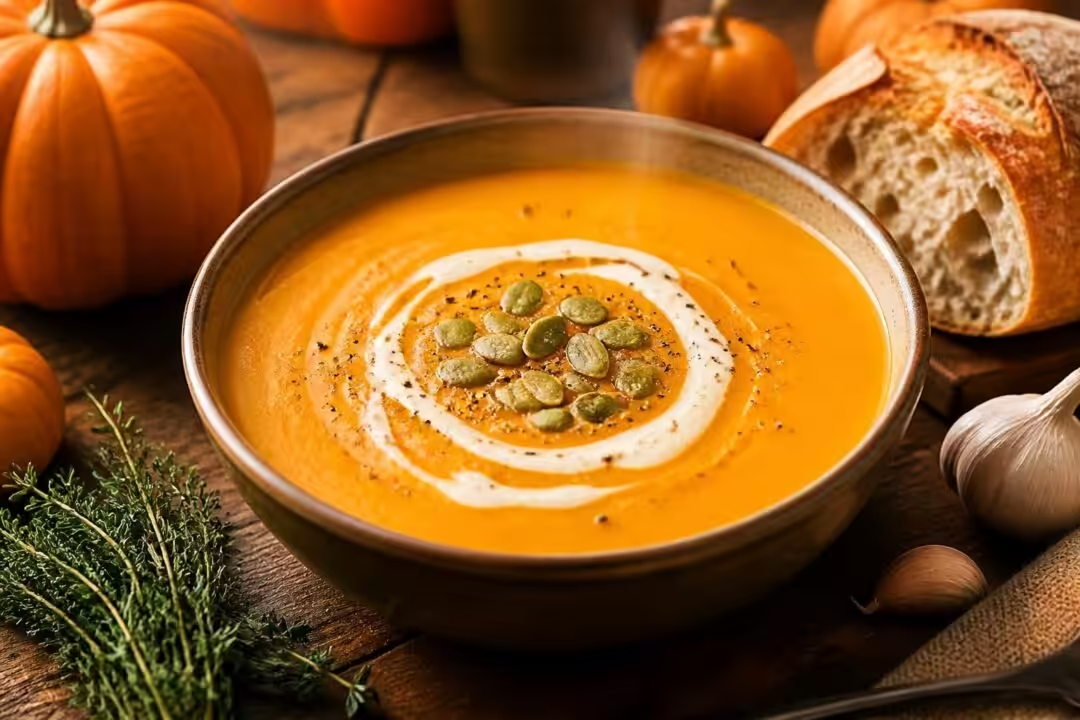
Ladle into warm bowls. Add a small swirl of cream on top, crack fresh black pepper, and sprinkle parsley. The contrast of pale cream against orange soup reads instantly inviting. Pair with crusty bread so every drop gets enjoyed 🥖.
For gatherings, serving in small cups turns it into an elegant starter. For a cozy dinner, a big bowl and thick bread turns it into a meal. The method stays the same; the vibe changes with presentation—a useful trick for home cooks who like options.
Once the pot is mastered, the next step is learning how to make the soup hold up beautifully for leftovers, freezing, and reheating without losing its charm.
Classic Pumpkin Soup Serving Ideas: Toppings, Pairings, and Cozy Presentation
Serving pumpkin soup is where the “easy recipe” turns into a memorable moment. The base is mellow and creamy, so toppings act like accessories: they add texture, contrast, and personality without requiring a second recipe. The best choices are the ones that bring crunch, freshness, or a savory edge.
Easy toppings that change the entire bowl
A swirl of cream is the classic finish, but it’s only the beginning. The most satisfying bowls usually include one creamy element, one crunchy element, and one aromatic element. That trio makes each spoonful interesting from start to finish ✨.
- 🥛 Cream swirl or coconut milk drizzle for a glossy, inviting look
- 🎃 Toasted pumpkin seeds for crunch and a nutty finish
- 🥓 Crispy bacon bits for smoky saltiness (optional but crowd-pleasing)
- 🌿 Fresh herbs like parsley, thyme, or sage for brightness
- 🧀 Grated Parmesan for a savory boost that melts into the surface
- 🌶️ Pinch of cayenne or chili oil for gentle heat and aroma
For an elevated “special occasion” touch, a tiny drizzle of maple syrup can accent pumpkin’s natural sweetness 🍁. Used sparingly, it reads as sophisticated rather than sugary. It’s a small move that guests often notice, then ask about.
Pairings that make pumpkin soup a full meal
Crusty bread is the classic side because it turns the soup into a complete experience: dip, sip, repeat. But other pairings work beautifully. A grilled cheese with sharp cheddar adds tang. A fall salad with apples and toasted nuts makes the meal feel balanced. Even a simple omelet can turn soup night into a surprisingly satisfying dinner.
At the fictional café, a popular combo is pumpkin soup with a toasted sandwich featuring caramelized onions. The sweetness of onion echoes the pumpkin while the toast brings crunch. It’s a reminder that pairing is really about contrasting textures and matching flavor families.
Presentation tricks that feel festive without extra work
Warm the bowls briefly so the soup stays hot longer—tiny detail, big payoff 🔥. Use a spoon to gently drag the cream swirl into a simple pattern. Add black pepper at the end so it stays aromatic rather than cooked flat.
For a party, serving in small cups or mugs makes it easy for guests to mingle. For a family table, put topping options in little bowls so everyone customizes their own. That interactive element makes dinner feel special while keeping the cooking workload stable.
With serving handled, the final piece is storage and make-ahead strategy—because a soup that reheats beautifully is the kind of recipe that becomes a household staple.
A smart storage plan also protects that creamy texture, especially if leftovers are intended for lunches or freezer meals.
Storing and Reheating Classic Pumpkin Soup: Make-Ahead, Freezing, and Texture-Saving Tips
Classic pumpkin soup is one of the best make-ahead dishes because its flavor actually deepens after resting. The onion and garlic mellow, the pumpkin becomes more rounded, and the spices (if used) integrate into a cohesive warmth. The goal for storage is simple: keep it safe, keep it smooth, and keep it tasting fresh.
Refrigerator storage: the easy win for busy weeks
Cool the soup completely before sealing it in an airtight container. This helps protect the flavor and reduces excess condensation that can dilute the surface. Stored properly, it stays fresh for about 3 to 5 days in the refrigerator 🧊.
When reheating, use low to medium heat and stir occasionally. If the soup thickened overnight, loosen it with a splash of broth, water, or milk. That adjustment is not a “fix”; it’s normal behavior for blended soups as starches set while cooling.
Freezing pumpkin soup without losing the creamy texture
Pumpkin soup freezes well for up to 3 months. For best results, freeze it in portions so it thaws evenly and reheats quickly. A helpful technique is to leave out dairy before freezing, then add cream when reheating. That reduces the risk of separation and keeps the final bowl glossy and smooth.
Thaw overnight in the fridge, then reheat gently on the stove. Stir frequently at first; the bottom warms faster than the middle, and gentle stirring prevents scorching. If a blender is available, a quick re-blend can restore perfect silkiness—especially useful if the soup separated slightly during thawing.
Common problems and how to prevent them
Even “easy recipes” can run into small texture issues. The good news: most have straightforward solutions.
- ⚠️ Soup tastes flat: add a pinch more salt, a squeeze of lemon, or a touch of pepper to wake it up.
- ⚠️ Soup is too thick: thin with broth in small increments until it coats the spoon comfortably.
- ⚠️ Soup is too thin: simmer gently to reduce, or blend in extra pumpkin/squash.
- ⚠️ Grainy texture: blend longer, and ensure the pumpkin was fully tender before blending.
- ⚠️ Dairy separated: avoid boiling after adding cream; reheat slowly and stir well.
Ingredient tips that improve every batch
Choose ripe pumpkin or a dependable squash for stronger flavor 🎯. For deeper taste, roasting pumpkin before simmering can add caramelized notes, but it’s optional when speed matters. If extra creaminess is desired without extra dairy, blending in a small handful of white beans thickens naturally and adds subtle body.
For cooks who like to plan, pumpkin soup is a strong candidate for a “Sunday prep” routine: make a pot, refrigerate portions for lunches, freeze a couple servings for later, and keep toppings on hand to vary each bowl. With that strategy, the recipe becomes less of a seasonal novelty and more of a reliable comfort staple—the kind that quietly upgrades the whole week.

Hi, I’m Landon Brooks. I am the editor-in-chief of Cook and Design, but for the first decade of my working life I was actually a product designer in New York.