How to make shrimp boil: Ingredients and essential equipment for a perfect seafood feast
Choosing the right ingredients and tools sets the stage for a memorable shrimp boil. A balance of texture, aroma, and freshness is vital, and the careful selection of seafood, starches, and aromatics determines the final result.
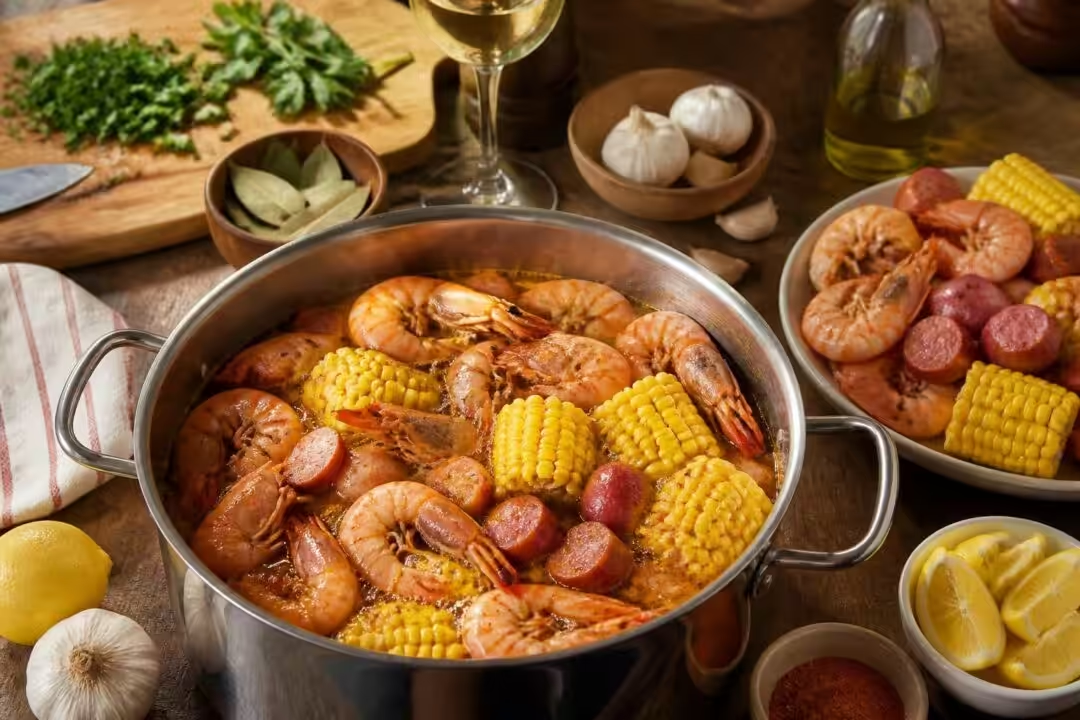
Start with shrimp: opt for tail-on, deveined shrimp for maximum flavor and a satisfying pop when eaten. Large or jumbo shrimp hold up better in the boil, while medium shrimp can work for economical, faster-cooking options. For sustainability in 2026, look for shrimp labeled MSC-certified or sourced from well-managed aquaculture.
Starches and vegetables form the backbone of the meal. Choose baby red potatoes for even cooking and sweet corn on the cob for classic sweetness. Sausage adds smokiness; an andouille or smoked kielbasa offers spice and body. For an elevated twist, include claws or chunks of lobster or king crab legs when available.
Essential aromatics and seasoning are where personality enters the pot. At minimum, include Old Bay or a homemade blend (paprika, cayenne, celery salt, mustard powder), lots of kosher salt to build a cooking brine, and aromatics such as bay leaves, lemon halves, and crushed garlic. A splash of beer or white wine in the water contributes depth and balances the sea notes.
Equipment matters for safety and rhythm. A large stockpot with a strainer insert makes batch cooking efficient and prevents overcooking when lifting out components. A propane outdoor burner is ideal for large groups, but a sturdy stovetop plan works for smaller gatherings. Long-handled slotted spoons, heatproof tongs, and disposable or heavy-duty serving paper keep service relaxed and communal.
For a practical example, imagine a community caterer named Marin preparing for a seaside block party. Marin orders 20 lb of shrimp, 10 lb of baby potatoes, 10 ears of corn, and 6 lb of andouille. The setup includes two 20-quart pots, a propane burner, and pre-soaked wooden skewers for serving. This logistical planning demonstrates how equipment choices scale with guest count.
Consider dietary adjustments: swap sausage for smoked tofu to create a pescatarian-friendly version, and use low-sodium broth or added herbs to reduce salt. Such substitutions underscore the flexibility of the shrimp boil format and accommodate diverse palates.
Finally, emphasize freshness checks: shrimp should smell briny, not fishy; corn kernels should be plump and vibrant; and potatoes should be free of soft spots. These simple inspections prevent mishaps and protect flavor.
Key takeaway: assembling the right ingredients and tools before lighting the burner reduces stress and elevates the final plate.
How to make shrimp boil: Step-by-step method, timing, and professional techniques
A precise sequence keeps each ingredient at its ideal doneness. The core strategy is staging: cook the longest items first, then add components with progressively shorter cooking times so everything finishes together.
Begin by bringing a large pot of water to a rolling boil. For added complexity, use a mix of water and beer or seafood stock. Season the water with generous amounts of salt, a few tablespoons of Old Bay or DIY blend, halved lemons, several bay leaves, and crushed garlic. The resulting broth should be fragrant and slightly salty.
First in go the potatoes: these take the longest, roughly 12–18 minutes depending on size. Add potatoes to the boiling broth and maintain a vigorous simmer. The surface agitation helps penetrate flavors evenly.
Next, introduce sausage slices and robust root vegetables. Sausage requires around 6–8 minutes to warm through and release smoky oils into the pot. Corn on the cob, cut into thirds, is added when potatoes are near tenderness; corn needs only 4–6 minutes to become sweetsnap perfect.
Shrimp and delicate shellfish are last: add shrimp with the heat dialed to a steady boil and remove within 2–4 minutes, as shrimp quickly transition from tender to rubbery. Watch for the shrimp to turn pink and curl into a loose “C” shape—the universal sign of doneness.
For precise timing, use a kitchen timer and a visual check. If serving a crowd, work in batches: lift finished items with a strainer basket, drain, and place onto a large serving table. A brief rest under a light tent retains warmth without overcooking.
Pro techniques include shocking shrimp briefly in an ice bath for salads and chilled platters. For hot service, sear finished shrimp quickly in a cast-iron skillet brushed with garlic butter to deepen color and add texture. Another technique: finish the drained boil with a ladle of the seasoned broth spooned back over the ingredients to refresh flavors before transfer to the table.
An illustrative anecdote: at a summer fundraiser, the caterer noticed uneven potato doneness. The fix involved parboiling potatoes the night before and cooling them in salted water; on event day, a brisk 8-minute reheat in seasoned boiling water aligned all components perfectly. Planning and staging like this separate good events from great ones.
Key takeaway: sequencing and visual timing are more reliable than strict minutes; observe textures and color to ensure perfect doneness.
How to make shrimp boil: Flavor variations and DIY seafood spice blends to personalize the boil
A shrimp boil is a canvas for regional styles and inventive twists. Classic Lowcountry boils lean toward Old Bay and lemon, while Cajun boils emphasize cayenne, smoked paprika, and thyme. Exploring these differences provides plenty of creative latitude.
Start with three proven spice blends: a classic Old Bay-style mix, a smoky Cajun blend, and a milder herbaceous version for families. Each blend can be prepared ahead and adjusted for salt and heat levels.
Old Bay-style DIY: combine smoked paprika, celery salt, ground mustard, black pepper, coriander, dry bay leaf, and a touch of cayenne. This mirror of the commercial mix emphasizes briny sweetness and aromatic warmth.
Cajun blend: equal parts smoked paprika and garlic powder, with half parts onion powder, cayenne, dried oregano, dried thyme, and kosher salt. Toast the dry herbs lightly to amplify their aroma before grinding.
Herb-forward version: blend lemon zest, dried parsley, fennel seeds, white pepper, and a small pinch of sugar. This bright profile complements the shrimp without overpowering it.
Flavor pairings extend beyond spice. Adding a whole halved onion and a few slices of ginger to the broth introduces savory depth. Tossing the finished boil with a butter-lemon-garlic emulsion or a vinegar-based sauce like charmoula changes the meal’s character from rustic to refined.
Here is a practical list of popular variations to try at the next gathering:
- 🌶️ Cajun Hot Boil — add extra cayenne and smoked paprika for a spicy crowd-pleaser
- 🍺 Beer & Old Bay — replace part of the water with a light lager for a malty base
- 🍋 Citrus-Herb — finish with lemon zest and fresh parsley for brightness
- 🔥 Smoked Finish — smoke the boiled shrimp briefly over wood chips for depth
- 🥦 Veg-forward — increase vegetables like fennel and tomatoes for a balanced pot
To aid decision-making, the following table lists typical cook times and seasoning suggestions, making it easier to customize based on ingredient choices.
| Ingredient 🍤 | Typical Cook Time ⏱️ | Seasoning Suggestion 🌿 |
|---|---|---|
| Baby Potatoes 🥔 | 12–18 minutes | Salt, bay leaf, Old Bay |
| Corn on the Cob 🌽 | 4–6 minutes | Butter, lemon, parsley |
| Shrimp 🍤 | 2–4 minutes | Cajun blend or Old Bay |
| Andouille Sausage 🌭 | 6–8 minutes | Smoked paprika, thyme |
Experimentation is encouraged: mix and match blends, finish with compound butters, or introduce acidic punches like malt vinegar. These choices create signature boiles that reflect local produce and personal taste.
Key takeaway: house-made blends and finishing sauces allow each shrimp boil to become a personal culinary statement.
How to make shrimp boil: Hosting strategies, serving rituals, and environmentally-aware setup
Hosting a shrimp boil is as much about choreography as it is about cooking. The event’s flow depends on staging prep stations, arranging serving lines, and creating a convivial atmosphere where guests interact with the food.
Set up an assembly line: a table for bread and small plates, a central dump table covered with butcher paper for piling the boil, and a beverage station. Paper-lined service areas simplify cleanup and evoke the classic communal feel.
Portion planning is critical. For a mixed platter, plan about 1/2 lb of shrimp per adult plus starch and corn. If shrimp are the main attraction, plan 3/4–1 lb per adult. Marin, the fictional community caterer, uses these rules of thumb to avoid shortages while preventing excessive waste.
In 2026, sustainability is a frequent consideration. Use compostable plates, encourage recyclable containers for leftovers, and source local seafood when possible. These steps align with current dining trends and reduce event waste without sacrificing style.
Atmosphere plays a role: live music or a curated playlist, rustic décor like mason jars with wildflowers, and clear signage for spice levels make guests feel attended to and informed. For accessibility, provide utensils for those who prefer not to peel by hand and label allergen information clearly.
Hosting also involves timing the service. Coordinate final boil and plating so food is released in waves every 20–30 minutes to keep freshness uniform. For larger crowds, keep additional warmers or covered trays to maintain temperature while avoiding overcooking.
Pairings elevate enjoyment. Offer crisp lager, riesling, or a citrus-forward cocktail to complement the salty, smoky flavors. Non-alcoholic pairings such as iced tea with lemon or a sparkling cucumber drink provide refreshing contrast.
Interactive elements — like a DIY spice station where guests can sprinkle extra blends, or a small demo of butter-infused finishing sauce — create engagement and teach technique. These moments transform the meal into a learning experience and build communal memories.
Key takeaway: thoughtful logistics and eco-minded choices make shrimp boils celebratory and sustainable while keeping service efficient and enjoyable.
How to make shrimp boil: Troubleshooting common problems and advanced variations for home cooks
Even seasoned cooks encounter issues; diagnosing and correcting them ensures consistent results. The most frequent problems are overcooked shrimp, bland flavor, and unevenly cooked vegetables, each with straightforward fixes.
Overcooked shrimp become rubbery. Prevent this by pulling shrimp at the first sign of color change and transferring immediately to a resting plate or back into warm broth for a minute. For reheating without texture loss, steam briefly or toss in a hot pan with a splash of butter rather than microwaving.
Bland flavor can stem from under-seasoned water. The remedy is simple: increase salt and aromatics during the boil or drizzle a concentrated finishing sauce made from pan-reduced broth, garlic, and clarified butter over the plated boil. Acidic accents like lemon or vinegar also awaken muted flavors.
Uneven vegetable doneness occurs when sizes vary. Standardize cuts and consider parboiling dense items the day before. Another tactic is to use separate pots for potatoes and delicate items, combining them only at the end to maintain texture contrast.
Advanced variations expand the shrimp boil’s repertoire. Smoking boiled shrimp for 10–15 minutes over wood chips adds a savory layer that pairs beautifully with beer. Grilling shrimp after the boil gives caramelized edges and a charred flavor. For a low-sodium option, increase aromatic herbs and citrus to compensate for less salt.
Storage practices matter for food safety and texture. Cool leftovers quickly and store in airtight containers for up to 3 days. Reheat gently in a skillet with a splash of stock and a pat of butter to restore succulence. For freezing, shell shrimp after cooking and freeze on a tray before bagging; this prevents clumping and preserves bite quality.
Scaling recipes requires proportional adjustment of seasoning and equipment. When doubling a recipe, do not always double the Old Bay at once; taste the broth and adjust in stages. Heat distribution becomes more challenging in larger pots, so stir and monitor boil intensity to maintain even cooking.
For cooks seeking inspiration, consider these three advanced techniques: smoky miso butter finish, citrus-chile glaze, and a one-pot beer-and-clam boil. Each technique shifts the profile while respecting the shrimp boil’s communal essence.
Key takeaway: common problems have practical remedies, and advanced methods let cooks tailor the boil to refined tastes while preserving the ritual’s convivial spirit.
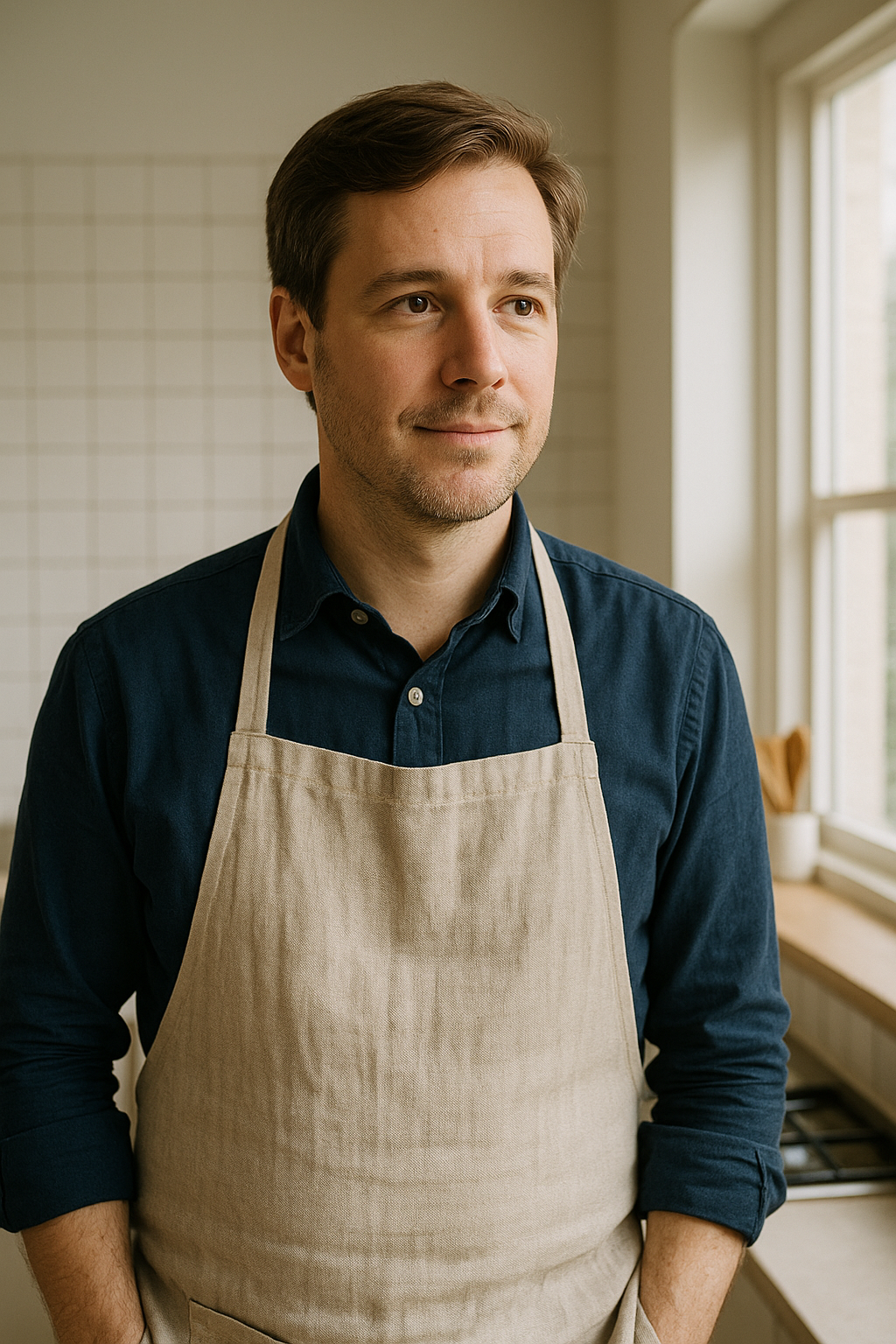
Hi, I’m Landon Brooks. I am the editor-in-chief of Cook and Design, but for the first decade of my working life I was actually a product designer in New York.