Pikelets: the Fluffy Little Pancancakes Aussies Grew Up On — A Cultural Comfort Food with Big Heart
There is a particular kind of comfort food that feels less like a recipe and more like a ritual, and Australian pikelets fit that description perfectly. They are small, warm, and easy to share, which is exactly why they show up again and again at kitchen tables—especially when the day calls for something simple, sweet, and calming. Unlike towering café pancakes built for spectacle, pikelets are built for togetherness: a plate in the middle, hands reaching in, jam getting a little messy, and someone insisting there is still room for “just one more.”
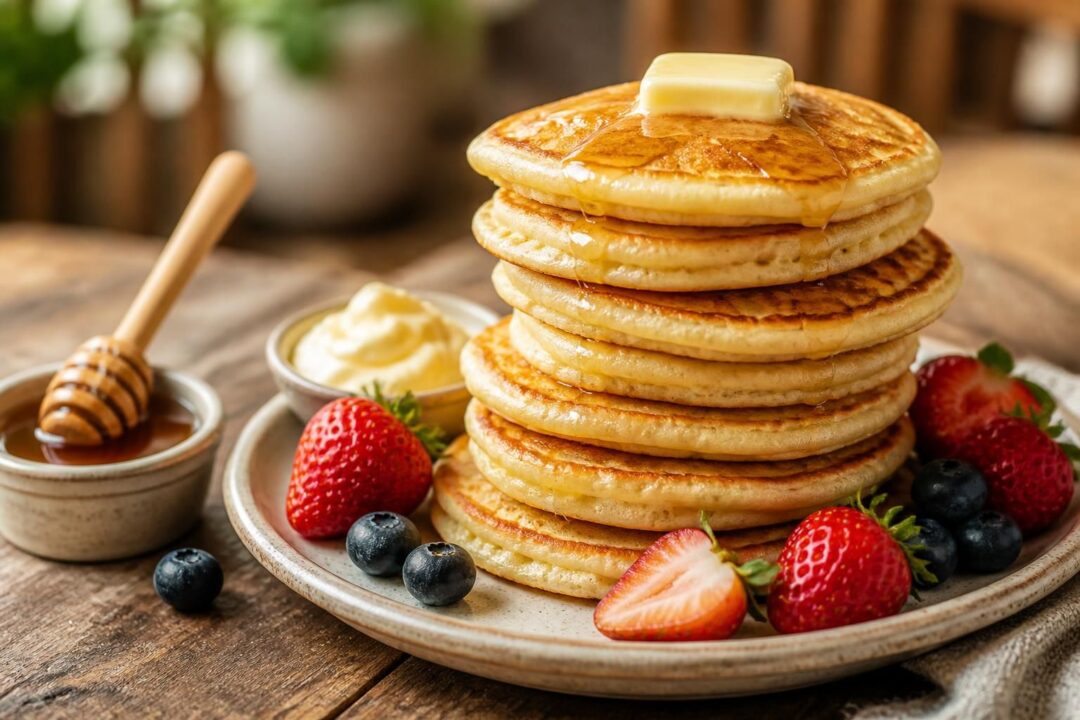
In many Australian households, pikelets carry the same emotional weight as a family roast or a festive pudding, even though they come together with pantry basics. That’s part of their charm. They are often associated with after-school snacks, low-key weekend breakfasts, and “bring a plate” gatherings where the goal is not to impress but to feed people well. The most beloved versions arrive with the classic pairing of strawberry jam and whipped cream, an undeniably nostalgic combo that turns a modest mini pancake into a teatime treat.
It also helps that pikelets travel beautifully. They can be stacked into containers without falling apart, served at room temperature without losing their appeal, and revived with a quick warm-up when needed. In a modern 2026 schedule—where families juggle work, school, and endless commitments—pikelets remain relevant because they are fast, forgiving, and crowd-friendly. That practicality is a large part of why they continue to feel like a warm hug from Australia itself.
Outside Australia, these little rounds have close cousins. Depending on where someone grew up, they may call them drop scones, Scotch pancakes, silver dollar pancakes, or mini hotcakes. The names change, but the appeal stays constant: small format, fluffy interior, golden surface, and an ease that makes home cooks feel confident. The Australian identity of pikelets, though, is tightly linked to the way they are served and shared—often in generous stacks, often with “copious” toppings, and often with the casual hospitality Australians are famous for.
To keep the story grounded, imagine a recurring scene: a busy Friday afternoon in a suburban kitchen. A parent is trying to stretch time between homework and dinner, and a batch of pikelets becomes the solution that keeps everyone happy. The batter is stirred quickly, the pan warms up, and within minutes there is the unmistakable sign of success—those little bubbles rising to the top before the flip. That moment is small but satisfying, like proof that comfort can be created without fuss. The emotional payoff is the reason pikelets remain a classic, not merely their taste.
From here, the focus naturally shifts to what makes them so fluffy and consistent in the pan, because pikelets are simple—but they are not accidental. They reward small technical choices, and those choices are where the magic really lives. 🥞
Perfect Australian Pikelets Recipe (Just Pantry Staples) — Ingredients, Ratios, and Why They Work
At first glance, a pikelets recipe reads like a standard pancake formula, but the success depends on balance. The goal is a batter that spreads just enough to form neat rounds while still holding air for that tender bite. Pikelets should feel light rather than cakey, and moist rather than bready. Achieving that is largely about choosing the right leavening, keeping the sweetness restrained, and understanding how each ingredient behaves under heat.
The core ingredients are familiar: plain flour, baking powder, a little sugar, salt, egg, and milk, with optional vanilla extract. That short list is exactly why pikelets are so loved—few shopping trips are required, and substitutions are often possible. Full-fat milk tends to produce a softer texture, but low-fat or plant-based milk still works well, especially when the batter is mixed gently and cooked at a steady temperature. The egg contributes structure and richness, while baking powder delivers the lift that separates pikelets from flatter griddle cakes.
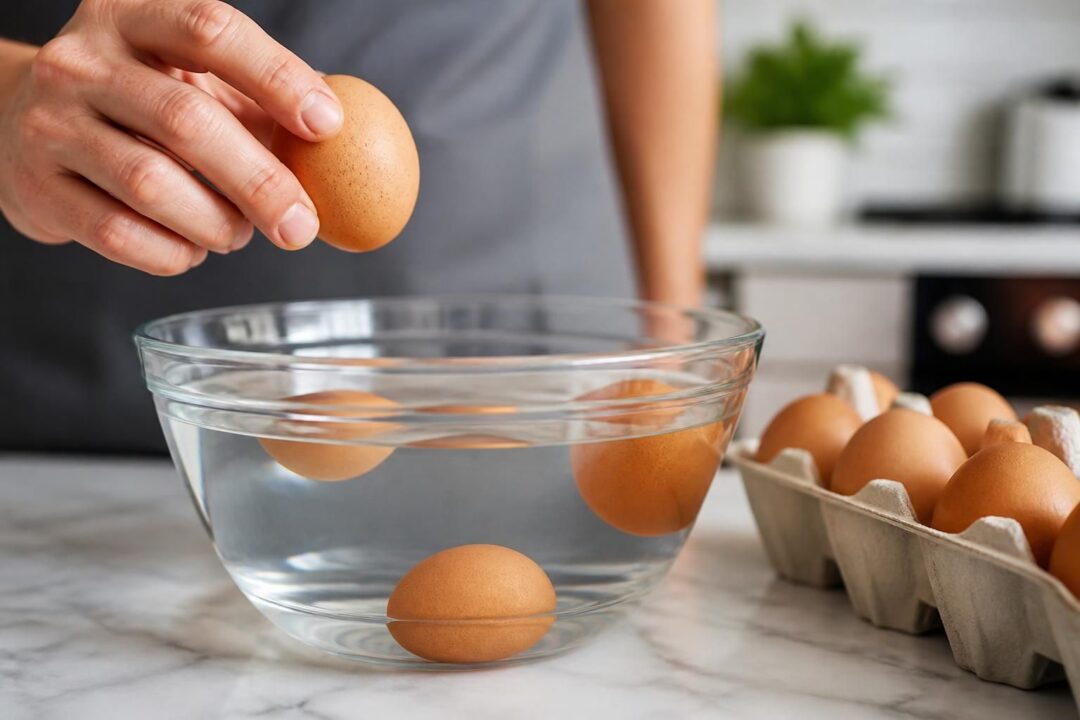
In practical home cooking, the ingredient that deserves the most respect is baking powder. If it has been lingering in the pantry for months, the rise will be weaker, and the pikelets may cook up dense. A simple check is often used in home kitchens: stir a little into hot water; active baking powder fizzes readily. That tiny step can save an entire batch, and it’s a good habit when cooking for a crowd. ✅
Sweetness is intentionally modest. Many Australian versions use only a couple of tablespoons of white sugar because the toppings—especially jam—bring plenty of sweetness. This creates a better overall bite: the pikelet itself tastes like a gentle vanilla-scented crumb rather than dessert cake. That restraint also makes the pikelets versatile, able to shift toward savory toppings if needed.
To make the recipe easy to scan and repeat, here is a structured ingredient and timing snapshot. The amounts are designed for a typical home batch (often around a dozen small pikelets depending on scoop size), and the cooking window stays comfortably under 20 minutes when the pan is hot and the workflow is smooth.
| Component | What to Use | Why It Matters |
|---|---|---|
| Flour 🌾 | Plain/all-purpose flour | Gives structure without becoming heavy when mixed gently |
| Baking powder ✨ | About 2 1/2 tsp, active | Primary lift for fluffy centers and a lighter bite |
| Sugar 🍯 | About 2 tbsp white sugar | Adds mild sweetness while leaving room for jam and cream |
| Egg 🥚 | 1 large egg | Helps bind, adds richness, supports an even crumb |
| Milk 🥛 | About 3/4 cup (any type) | Controls batter flow and tenderness; adjust for consistency |
| Butter for pan 🧈 | A small amount, wiped to a thin film | Prevents sticking while keeping surfaces evenly golden |
For serving, the “Aussie way” remains the gold standard: strawberry jam + whipped cream. It is not subtle, and it is not meant to be. The topping is part of the identity, not an afterthought. A thin swipe of butter underneath the jam is also common, especially when the pikelets are still warm and the butter melts into the crumb.
Nutrition labels vary by exact recipe size, but a typical small pikelet lands around 69 calories before toppings, which explains why people tend to eat them in pairs—or triples—without thinking twice. That “small but mighty” aspect is a key reason pikelets work so well at gatherings: guests can nibble without committing to a massive portion.
With ingredients understood, the next step is technique—because the most memorable pikelets are defined by bubbles, timing, and the confidence of the flip. 🔥
How to Make Fluffy Pikelets in Under 20 Minutes — Bubble Cues, Pan Heat, and Confident Flips
Making fluffy pikelets is less about complicated skill and more about reading the batter like a conversation. The pan gives feedback, the surface bubbles offer signals, and the texture tells the truth about whether the batter is right. When the process clicks, it feels almost meditative: scoop, listen for the sizzle, watch for bubbles, flip, stack. The rhythm is exactly why pikelets have a reputation as an “easier scone” and a more manageable alternative to large pancakes.
The first step is building a dry base that’s evenly distributed. Flour, baking powder, sugar, and salt should be whisked thoroughly so the leavening doesn’t clump. Clumps of baking powder can create odd little bitter pockets, and uneven sugar distribution can make some pikelets brown faster than others. A quick whisk solves both issues and sets the batch up for consistency.
The wet ingredients are then added using a classic technique: make a well in the center of the dry mixture before adding egg, milk, and vanilla. This small step discourages overmixing. Overmixing develops gluten, which makes the crumb tougher, and pikelets should be tender. The batter should be whisked until it is almost lump-free—some tiny lumps are fine and often preferable to an overworked batter.
Batter consistency is the pivot point. The ideal texture resembles thick honey: pourable, but not runny. If it is too thin, the rounds spread, creating flat pikelets with less lift. If it is too thick, the batter may not spread enough, which can leave centers undercooked before the outside turns golden. A small splash of milk can loosen; a spoonful of flour can tighten. These micro-adjustments are what separate “fine” from “fantastic.” 🎯
Heat management matters just as much. A non-stick skillet over medium-high (or medium on strong stoves) allows the surface to brown while the interior sets. Butter should be used sparingly: melt a small amount, then wipe most away with a paper towel to leave a thin film. Too much butter leads to a blotchy appearance—still tasty, but less evenly golden. The thin film method produces that classic café-style look without changing flavor in a big way.
Portioning is where pikelets shine. Dropping about 2 tablespoons of batter per piece creates the iconic small rounds, often around 7.5 cm (3 inches). An ice cream scoop with a lever makes this nearly foolproof and keeps sizes consistent, which helps everything cook at the same pace. In a standard pan, four at a time is a comfortable number: enough productivity to feed hungry people quickly, without crowding the surface.
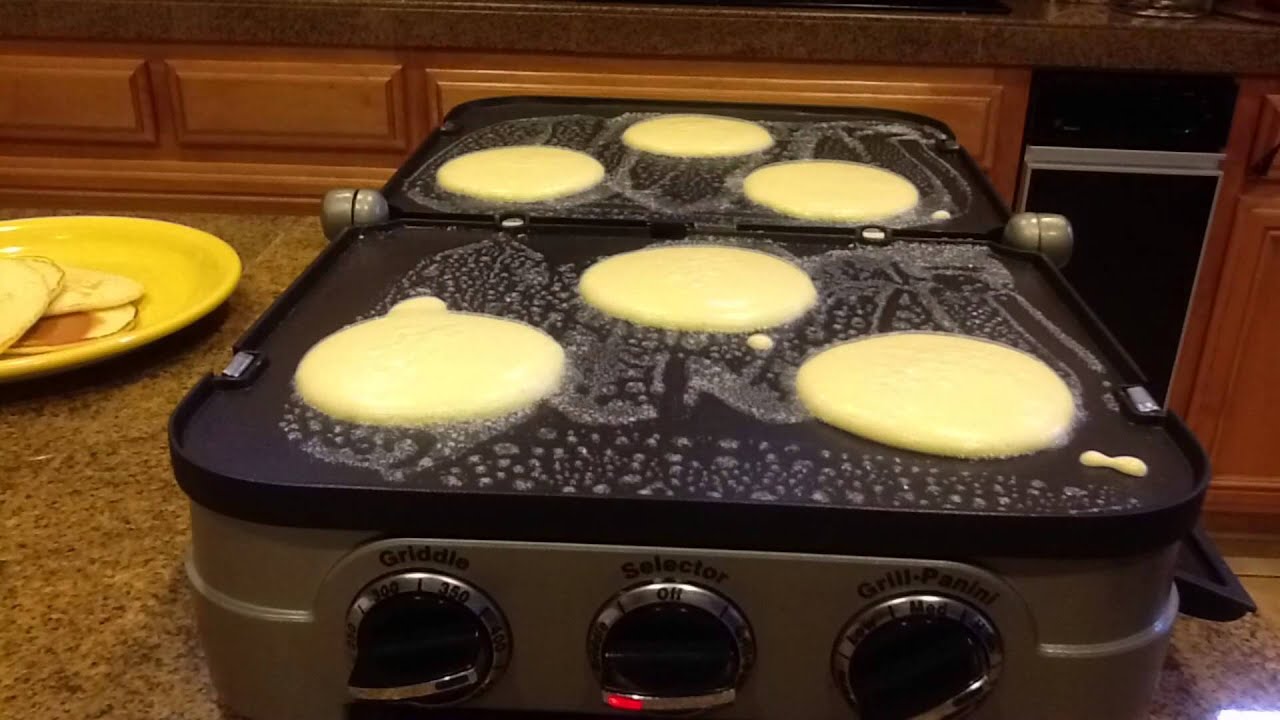
Then comes the signature cue: bubbles. When the underside is cooking properly, bubbles rise to the top. Waiting until at least four bubbles pop is a reliable sign that the pikelets are ready to flip—usually around 90 seconds. Flipping too early can cause tearing or raw centers; flipping too late can dry them out. If the underside is browning too quickly before bubbles appear, the heat is too high and should be lowered.
The flip itself benefits from confidence. A clean spatula slide and a quick wrist turn keeps them neat. The second side usually needs about one minute, because much of the setting has already happened. Once cooked, the pikelets can be stacked on a plate and kept warm while the rest cook. Additional butter often isn’t needed until later batches because the pan retains a film that continues to prevent sticking.
To reinforce the workflow, here is a practical, kitchen-tested checklist that keeps the batch smooth and stress-free:
- 🥄 Whisk dry ingredients well so baking powder is evenly distributed
- 🕳️ Use a well for wet ingredients to reduce overmixing
- 🍯 Aim for thick-honey batter and adjust with tiny additions
- 🧈 Butter lightly, then wipe for even color and less blotchiness
- 🫧 Wait for bubbles to rise and pop before flipping
- ⏱️ Cook the second side briefly to keep the crumb soft
Watching a batch come together can be reassuring, especially for cooks who feel nervous about flipping. A quick video search helps lock in the timing and visual cues.
Once technique is in place, the fun expands into variation: flavor twists, dietary swaps, and serving ideas that keep pikelets exciting beyond the classic jam-and-cream plate. 🍓
Pikelets for Breakfast, Snacks, and Afternoon Tea — Serving Ideas, Variations, and Modern Twists
The traditional serving style for Australian pikelets is almost non-negotiable in spirit: warm pikelets stacked high with strawberry jam and whipped cream. That combination hits multiple pleasures at once—soft crumb, sweet fruit, and airy dairy richness—and it also creates a visual that feels festive even on an ordinary day. The reason it works so well is contrast: jam provides brightness and a gentle tang, while cream softens and rounds out the sweetness.
Yet pikelets are far from one-note. Their mild flavor makes them an excellent canvas for creative toppings and mix-ins, especially when cooking for varied tastes. A batch can be split into two bowls, one kept classic and another enhanced with spices or fruit. That flexibility makes pikelets particularly useful at gatherings where one plate needs to satisfy kids, adults, and someone who “doesn’t like things too sweet.”
Flavor variations can be as subtle as a pinch of cinnamon or as bold as folding in blueberries. Lemon zest is another favorite because it lifts the flavor without making the batter heavy. The key is restraint: add-ins should not weigh down the mixture or interfere with the rise. When berries are used, a light dusting of flour on the fruit helps prevent sinking and streaking. When spices are used, they should be whisked into the dry ingredients so the flavor disperses evenly. 🍋
Serving ideas can also modernize the experience without losing the comfort-food soul. In 2026, many households build snack boards for casual entertaining, and pikelets fit naturally into that format. A platter can include multiple jams (strawberry, raspberry, apricot), a bowl of lightly sweetened whipped cream, fresh fruit, and even a nut spread. Guests assemble their own, turning teatime into a relaxed, interactive moment.
For those who want alternatives to dairy, coconut whip or thick yogurt can replace cream. For a less sweet approach, pikelets can be paired with ricotta and honey, or even a swipe of butter and a sprinkle of flaky salt. The base is mild enough to support these shifts, and the small size makes experimentation feel low-risk. Is there a better way to test new flavor ideas than with something that cooks in minutes?
To keep creativity grounded in what actually works in a home kitchen, these options are reliable crowd-pleasers:
- 🍓 Classic Aussie stack: strawberry jam + whipped cream, served warm
- 🫐 Berry burst: fold blueberries into batter, serve with extra fruit on the side
- 🍋 Lemon-bright: add lemon zest, top with jam for a sweet-tart balance
- 🌿 Grown-up tea plate: pikelets with butter, apricot jam, and a light dusting of cinnamon
- 🥥 Dairy-free comfort: plant-based milk in batter, coconut whip on top
For events like office morning tea, pikelets win because they are easy to portion and clean to eat. They can be held in one hand, leaving the other free for coffee. A practical move is to bring toppings separately and let people build their own stacks. This keeps pikelets from getting soggy in transit and prevents whipped cream from melting into a slippery mess before serving.
Another smart approach is to turn pikelets into “mini sandwiches.” A thin layer of jam between two pikelets creates a tidy, child-friendly snack that travels well. For a more indulgent version, add a small ribbon of whipped cream and press gently. These mini sandwiches look charming on a platter and feel intentionally festive with almost no extra work. 🎉
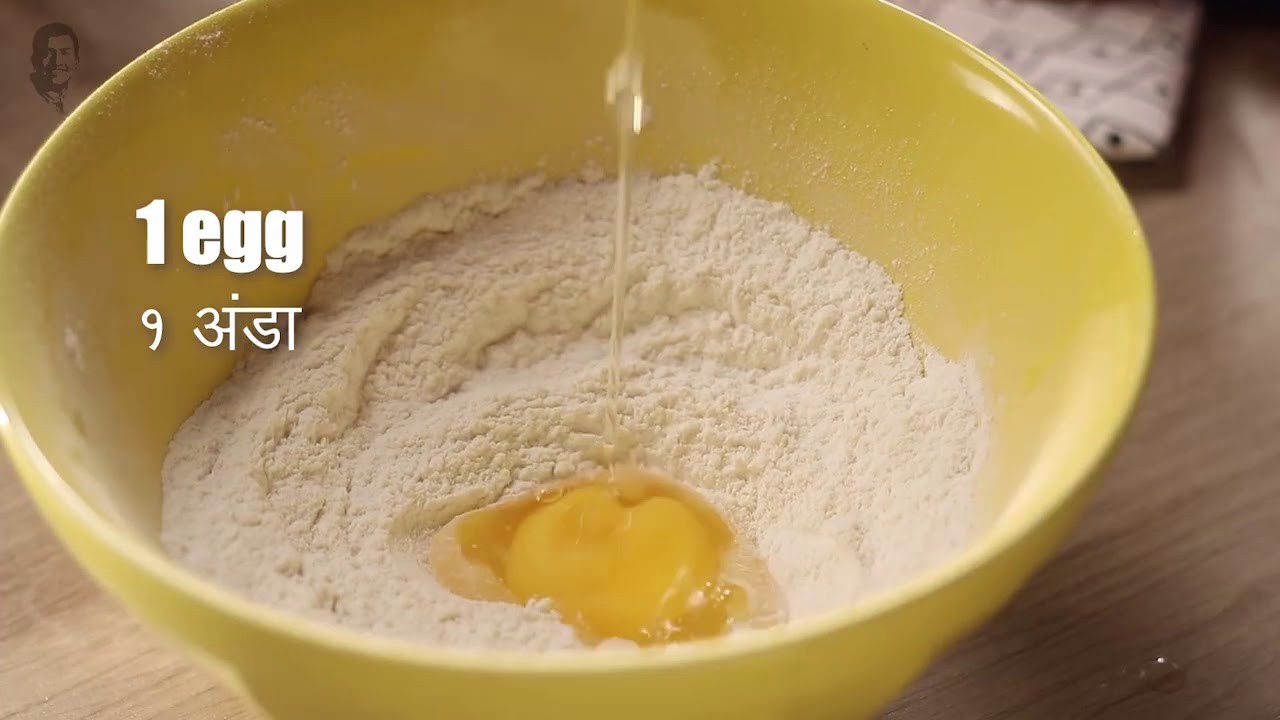
Seeing a range of styles can spark ideas for presentation, especially for brunch spreads or afternoon tea tables.
With serving handled, the final piece is practicality: how to store them, reheat them, and avoid the common pitfalls that lead to flat or uneven batches—because pikelets should feel effortless, not fussy. 🔄
Make-Ahead, Storage, and Troubleshooting for Pikelets — Keeping Them Fluffy, Golden, and Shareable
Pikelets have a rare quality in the world of quick breads: they are excellent fresh, satisfying at room temperature, and still enjoyable after reheating. That makes them ideal for households that want a reliable snack option without committing to long baking projects. Still, a little planning goes a long way, because while cooked pikelets store well, the batter itself does not always behave kindly when made ahead.
The most important rule is simple: mix and cook immediately. Pikelet batter relies on baking powder for lift, and that lift is strongest soon after mixing. When batter sits too long, it thickens, air dissipates, and the rising power fades. The result can be pikelets that cook up heavier, with less of the tender spring people expect. If a busy schedule demands a shortcut, it is far better to cook the pikelets in advance than to hold the batter.
Once cooked, storage is straightforward. Pikelets keep well for about three days in an airtight container in the refrigerator. For best texture, they should be cooled fully before sealing; trapping steam can create a damp surface. Reheating can be as simple as a brief microwave warm-up, which restores softness quickly. A skillet reheat also works and can refresh the golden exterior, especially when done without adding extra fat.
Freezing is another strength. Pikelets can be frozen for up to three months, making them a practical “future snack” that feels far nicer than packaged alternatives. The easiest method is to freeze them in a single layer first, then transfer to a bag or container. That prevents them from sticking together into an icy brick. For reheating from frozen, a short microwave burst followed by a minute in a pan creates a just-cooked feel without much effort. ❄️
Troubleshooting is where many cooks regain confidence. Pikelets are forgiving, but they do have predictable failure modes, and each has a clear fix. Flat pikelets typically point to batter that is too thin or baking powder that is old. Thick, doughy pikelets usually mean batter that is too thick or heat that is too high, browning the outside before the middle sets. Splotchy surfaces often come from too much butter in the pan, which is why wiping the butter to a thin film is such a useful step.
To make the solutions easy to act on, this quick guide connects the symptom to the adjustment:
- 📉 Too flat: thicken batter slightly and confirm baking powder is active
- 🧱 Too thick or undercooked center: loosen batter with a splash of milk and lower heat a touch
- 🔥 Browning too fast: reduce heat so bubbles have time to form and pop
- 🟡 Splotchy color: wipe excess butter and keep the pan evenly heated
- 🫧 Bubbles not popping: if batter is on the thick side, peek underneath; flip once golden
There is also a broader practical point about store-bought options. In many Australian supermarkets, pre-made pikelets are easy to find, yet homemade versions tend to be noticeably better in texture and aroma. Home-cooked batches avoid the slightly artificial “factory vanilla” note that can show up in packaged products, and the cost difference can be significant when feeding a group. When a dozen can be made from common staples, pikelets become one of those recipes that feel like a small act of kitchen wisdom.
A final way to keep pikelets consistently good is to treat cooking like a small production line. Set up the serving plate, keep jam and cream ready, and cook in steady batches without distractions. This is especially helpful when making pikelets for kids after school or for friends who arrive hungry. In those moments, the simplicity of the recipe becomes its superpower: a warm stack appears quickly, and the mood in the room changes just as fast. The next batch always tastes better when the kitchen feels calm. 🫶

Hi, I’m Landon Brooks. I am the editor-in-chief of Cook and Design, but for the first decade of my working life I was actually a product designer in New York.