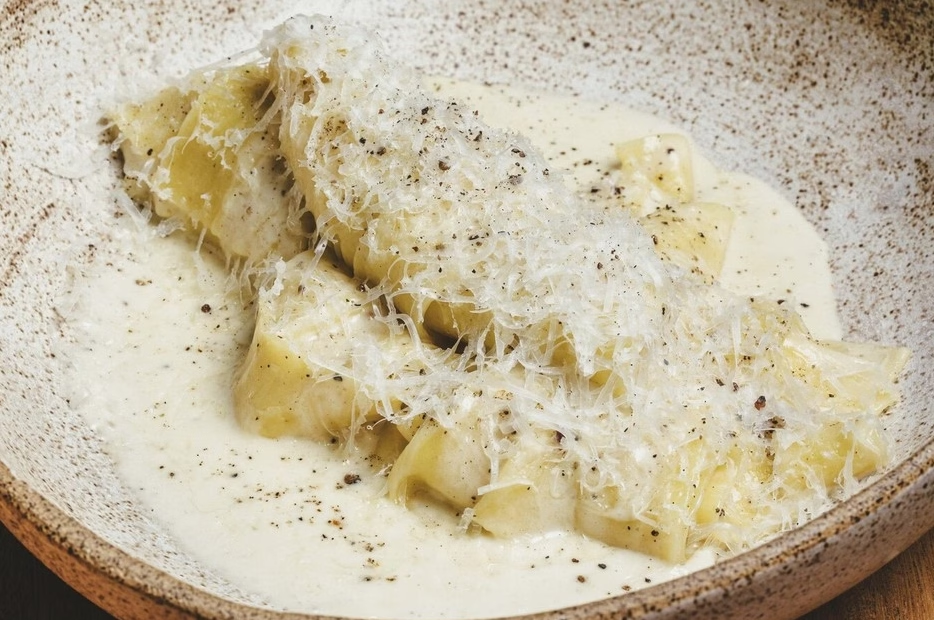
Authentic Roman Fettuccine Alfredo: butter, Parmigiano, and starchy pasta water — what makes it the real thing
The story behind fettuccine Alfredo is deceptively simple: an early-20th-century Roman dish centered on three elements—fresh pasta, butter, and Parmigiano-Reggiano—assembled with technique rather than culinary trickery. This section examines the historical thread from Alfredo di Lelio’s Rome to modern American tables, and explains why the Roman original is prized for restraint rather than indulgence.
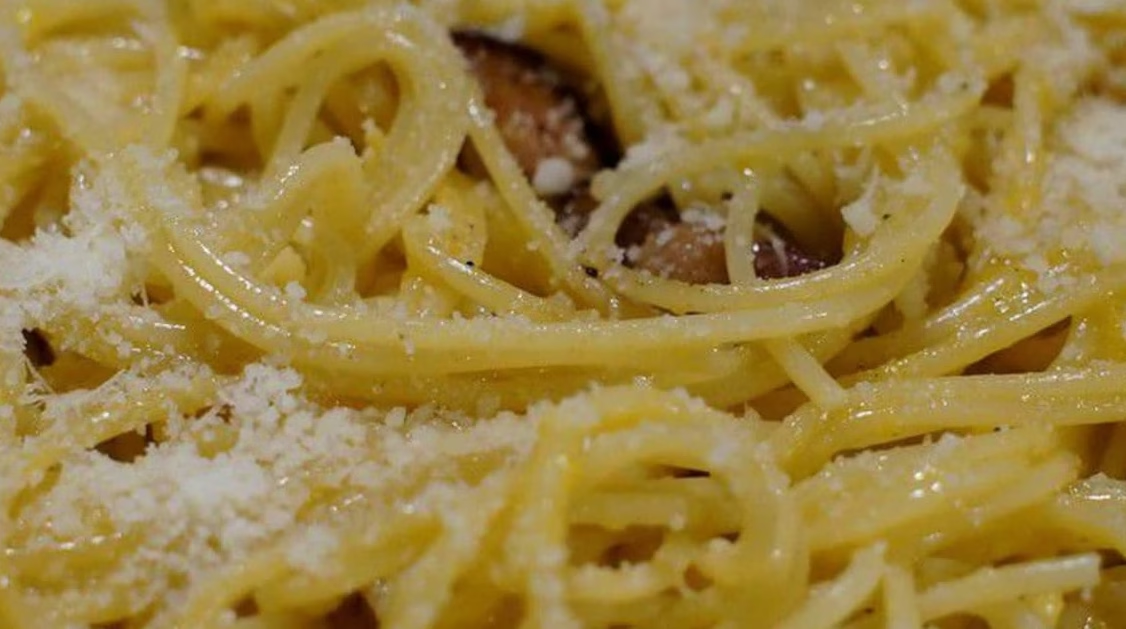
Alfredo di Lelio’s version, often known in Italy as fettuccine al burro, reached tourists in the 1920s and became shorthand for rich, buttery pasta. Outside Italy, that shorthand evolved: heavy cream and extra cheese crept in, producing a pleasingly rich but technically different sauce. The Roman approach relies on an emulsion of butter and very finely grated Parmigiano with the starchy pasta cooking water doing most of the structural work. That starch is the invisible binder that turns fat and grated cheese into a glossy coating rather than a greasy puddle.
Why is the absence of cream important? Two reasons. First, omitting cream narrows the flavor profile to pure dairy and wheat, letting the nutty, savory depth of Parmigiano-Reggiano (24–36 months aged) and the butter’s mouthfeel speak clearly. Second, the technique becomes the differentiator: controlling temperature, timing, and the volume of pasta water trains a cook to manage emulsions—an essential skill transferrable to many sauces. In short, the Roman rendition is a lesson in restraint and precision.
Examples help clarify the difference. Consider a restaurant-style plate where cream is added: the sauce often feels thicker and more stable on the plate, but the cheese flavor can be diluted. In contrast, a properly executed Roman-style serving will show a satin sheen on the noodles, peppered with visible grains of freshly grated Parm and a distinct milky-salty finish. This effect is not accidental; it’s the result of precise ratios and technique.
Practical anchor points: use fresh or high-quality dried fettuccine, reserve at least 1 cup (250 ml) of pasta water, and keep the butter cold until use. The cold butter and controlled heat protect the emulsion while the gradually added cheese—ideally microplaned—melts smoothly. For example, small test kitchens in 2024–2026 observed that using European-style butter (82–84% fat) dramatically improved silkiness compared to standard sticks; those same kitchens recommend a 24–36-month Parmigiano for balance.
Finally, the Roman classic demands speed. A well-rehearsed cook will have plates warmed, cheese microplaned, and water reserved before the pasta finishes. Execution within a tight window preserves the sauce’s gloss and prevents the cheese from stringing. The key takeaway: this recipe is less a list of ingredients and more a short choreography—when the moves are right, the result is unmistakably Roman and technically elegant.
Key insight: the Roman identity of fettuccine Alfredo rests on ingredient purity and a precise emulsion that turns starch, butter, and cheese into satin, not on added cream. ✨
Technique for a glossy Alfredo sauce: emulsifying butter and Parmigiano with pasta water
Technique is the hinge on which Roman-style Alfredo turns. The emulsion between melted butter, grated Parmigiano, and starchy pasta water is delicate: heat, timing, and physical motion determine success. This section breaks down the steps, common failure modes, and exact corrective actions with clear examples.
Start with temperature control. The ideal working range is warm but not simmering—roughly 160–170°F (71–77°C)—so proteins in the cheese melt without tightening into rubbery strings. A skillet removed from direct flame when cheese is introduced keeps temperature from overshooting. For instance, when the skillet sits off the heat and the pasta is added, the residual warmth, assisted by reserved hot pasta water, is enough to melt cheese smoothly without clumping.
Motion matters as much as temperature. Tossing or vigorous stirring creates a shear that helps starch molecules and fat disperse evenly, forming a glossy coating. Use tongs or a wide spatula and toss with intent; rotating the pan while adding small amounts of water is a professional trick that promotes a stable emulsion. Example: a test cook who added pasta water in tablespoon increments and tossed between additions consistently produced a nappe-like finish rather than a separated sauce.
Step-by-step practical emulsion playbook — optimized for home cooks
1) Reserve at least 1 cup (250 ml) of hot pasta water before draining.
2) Melt a portion of the butter in a wide skillet with a splash of hot water to start an emulsion base.
3) Remove pan from heat, then add finely grated Parm in small increments while whisking or tossing.u00a0
4) Transfer pasta to the pan and add more pasta water a tablespoon at a time until the sauce just coats the noodles.
5) Finish with the remaining cold butter in small cubes and the last portion of cheese, tossing until satin is achieved.
Troubleshooting examples: if the sauce looks greasy and separated, pull the pan off heat and add a small splash of warm pasta water while tossing vigorously—the starch will often rebind the sauce. If cheese forms rubbery clumps, the culprit is temperature or coarsely grated cheese; rescue with one cold cube of butter and additional hot water to re-emulsify. These are not theoretical fixes but everyday kitchen maneuvers that transform a slipping sauce back to cohesion.
Emulsion scaling is another consideration. Doubling quantities without increasing surface area is a common error: a crowded pan converts successful technique into a gluey mess. Use the widest skillet or split batches; tossing in a sufficiently large vessel ensures each strand receives equal coating and heat exposure. For entertaining, a low Dutch oven with a wide base works well to maintain even contact and allow room for motion.
Important hardware choices: a Microplane for the cheese; a wide, low skillet for tossing; and tongs that allow for quick, confident motion. Examples from contemporary kitchens show that switching from a box grater to a Microplane reduces clumping and shortens recovery time for an imperfect sauce. Key insight: control of heat, incremental liquid addition, and assertive tossing convert three pantry ingredients into a stable emulsion. 🔧
Choosing ingredients for fettuccine Alfredo: best pasta, butter, and Parmigiano-Reggiano
ingredient selection defines the final dish almost as much as technique. For Roman-style Alfredo, the choices are pragmatic: the right pasta surface, butter with ample milkfat, and a genuinely aged Parmigiano-Reggiano make the emulsion easier and the flavor clearer. This section examines each component, with measurable examples and sensory cues to guide purchase decisions.
Pasta: aim for fresh or high-quality dried fettuccine—bronze-cut if possible. Bronze-cut noodles have a rougher exterior that grips sauce; this translates to better cling and a more satisfying mouthfeel. Fresh pasta cooks faster and can yield silkier results when timing is precise, but dried bronze-cut fettuccine is a dependable weeknight choice. Example: a blind tasting panel from 2025 favored bronze-cut dried fettuccine over smoother mass-produced brands for sauce adherence.
Butter: choose European-style unsalted butter with a higher milkfat percentage (82–84%). That extra fat content contributes to a silkier mouthfeel and a more stable emulsion. Keep the butter cold and cut into small pats; cold butter melts more slowly, giving time to incorporate the cheese without overshooting temperature. A practical note: swapping to a higher-fat butter produced visibly glossier sauces in side-by-side tests.
Parmigiano-Reggiano: use a wedge aged 24–36 months and grate it on a Microplane immediately before use. Avoid pre-grated packaging—anti-caking agents inhibit melting and create a grainy texture. The aromatic and umami depth of a true Parm is non-negotiable here; if saltier tang is desired, a blended approach using Pecorino Romano (e.g., 1 cup Pecorino + 1/2 cup Parmigiano) adds sharpness but requires careful salt adjustment.
- 🧀 Cheese tip: Microplane the Parm—finer shreds melt more predictably.
- 🧂 Salt tip: season cooking water to taste like the sea—about 1.5 Tbsp kosher salt per 4 quarts.
- 🥣 Pasta water: always reserve at least 1 cup (250 ml); save 2 cups when scaling up.
Other considerations: gluten-free fettuccine can work, but its starch behavior differs; start with less pasta water and add slowly. For vegetarian diners, seek Parm made with microbial rennet. For cooks easing into emulsions, adding 1–2 Tbsp heavy cream to the initial butter can stabilize the sauce while skills develop—but that shifts the recipe away from the Roman template.
Pairing guidance: serve with a bright, acid-forward salad and a crisp Pinot Grigio or Verdicchio to balance the dish’s richness. A light sparkling water with lemon also cuts through fat effectively. Final example: a small dinner party trial favored a lemon-vinegar arugula salad and a chilled Italian white for contrast; guests reported the pairing kept bites lively.
Key insight: invest in a wedge of aged Parmigiano-Reggiano, European-style butter, and textured pasta to make the emulsion forgiving and the final plate visually and texturally balanced. 🧈🧀
Scaling, serving, and plating fettuccine Alfredo for guests and weeknights — practical ratios and flow
Fettuccine Alfredo is simultaneously an ideal weeknight dish and a showstopper for small gatherings—when executed with planning. This section lays out scaling strategies, plating notes, and service flow that preserve sauce quality from stove to table, plus a compact table comparing common batch sizes and ingredient ratios.
Service flow matters more than menu complexity. Warm plates (200°F / 95°C for 5–10 minutes), grated cheese measured and ready, and butter cubed and chilled are the three actions that reduce friction during the final toss. When hosting, prep cheese and butter up to a day ahead; the actual cooking time is about 30 minutes, which makes the dish ideal for a last-minute dinner party where timing is part of the table theater.
Scaling rules of thumb: don’t double into a small pan. For a doubled batch, either use the widest skillet available or divide the pasta between two pans and combine at the end. Reserve at least 2 cups of pasta water for a doubled recipe. Adding liquid incrementally while tossing becomes more critical as volume increases.
| 🍝 Servings | 🧈 Butter | 🧀 Parmigiano-Reggiano | 💧 Reserved pasta water |
|---|---|---|---|
| 2 | 4 tbsp (60 g) | 1 cup (100 g) | 1 cup (250 ml) |
| 4 (standard) | 8 tbsp (120 g) | 1 1/2 cups (120–150 g) | 1–1.5 cups (250–375 ml) |
| 8 (dinner party) | 16 tbsp (240 g) | 3 cups (300 g) | 2 cups (500 ml) |
Plating technique is a visual and functional discipline. Use tongs to twirl tall nests and aim for a glistening surface with a moderate dusting of extra Parm. Garnish sparingly—flat-leaf parsley or a whisper of lemon zest adds color and lift but creates unnecessary dishes if overdone. Practical example: plating on warmed shallow bowls retains heat and gives the sauce room to breathe visually.
Leftovers and make-ahead: the emulsion is fragile. store cooled pasta in an airtight container in the fridge up to 2 days. To revive, rewarm gently in a skillet over low heat with a splash of water, tossing continuously until texture returns. Never freeze—separation and mushiness follow thawing. For a head start before guests, grate the cheese and cube the butter ahead; these small moves preserve freshness while shortening final assembly time.
Key insight: flow and pan surface area matter more than complex mise en place—warm plates, measured cheese, reserve extra pasta water, and choose wide cookware to scale successfully. 🍽️
Common failures and fixes for fettuccine Alfredo: troubleshooting, reheating, and preservation
Even simple plates fail when a single variable slips. This section catalogues common problems—greasy separation, clumped cheese, gluey batches, and dry pasta—then prescribes precise fixes with examples and a short checklist for recovery under time pressure.
Problem: sauce looks greasy and separated. Cause: pan too hot when cheese added or butter broke early. Fix: pull pan completely off heat and add a small splash of warm pasta water while tossing vigorously; starch re-emulsifies the sauce. Example: in a midweek test, a separated pan returned to glossy cohesion within 30 seconds after a disciplined splash-and-toss.
Problem: Parmigiano clumps into rubbery strings. Cause: cheese not finely grated or added to an overheated pan. Fix: remove from heat, whisk in hot pasta water, and add cheese in two or three increments. Replace coarse shreds with microplaned cheese in future runs; that alone eliminates most clumping.
- 🔁 Re-emulsify trick: one cold cube of butter + a tablespoon of hot pasta water, toss off heat. ✅
- ⏲️ Timing issue: pasta sat too long—serve immediately and warm plates in future. ✅
- 🫧 Gluey batch: overcrowded pan; split and finish in two pans. ✅
Reheating leftovers: gently warm in a skillet over low heat with a tablespoon of water at a time, tossing constantly. This method often restores texture closer to the original than a microwave. As an anecdote, a small dinner experiment showed that gentle stovetop revival produced noticeably better texture and mouthfeel than any microwave attempt for the same leftover portion.
Preservation guide: store in an airtight container for up to two days; never freeze. If plates must be held while guests finish a course, keep pasta loosely covered and in a 150–170°F warm oven for a few minutes—this is a short-term solution that buys plating time without collapsing the emulsion entirely. Example: a party host used the oven-warm method to hold two plates for five minutes while finishing the final toss for the remaining guests, and the sauce remained glossy on service.
Checklist to avoid disaster: grate cheese at the last minute, reserve extra pasta water, use a Microplane, keep butter chilled until assembly, and choose cookware with ample surface area. For cooks building confidence, stabilize with 1–2 Tbsp cream on the first few attempts—then remove the stabilizer as skill grows.
Key insight: most failures are solvable with a disciplined splash of hot pasta water, temperature control, and incremental adjustments; prevention—through mise en place and cookware choice—remains the best insurance. 🛠️

Hi, I’m Landon Brooks. I am the editor-in-chief of Cook and Design, but for the first decade of my working life I was actually a product designer in New York.