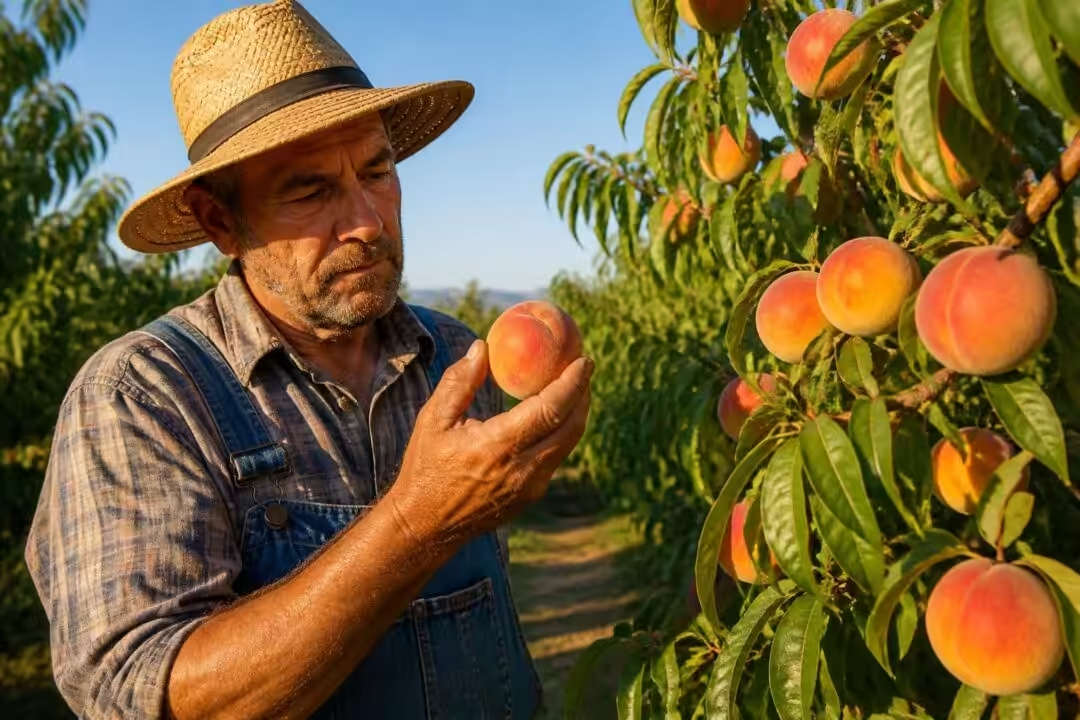
A Farmer’s Guide to Picking the Perfect Peaches for Pie: Understanding Freestone vs. Clingstone
A pie-worthy peach starts long before the rolling pin comes out. In orchards and farm stands, the most practical choice often comes down to two categories: freestone and clingstone. Both can bake beautifully, yet they behave differently the moment a knife meets the fruit—an issue that matters when a filling needs even slices that cook at the same pace 🍑.
Freestone peaches earn their name honestly: the pit separates cleanly from the flesh. That single trait speeds up prep, reduces waste, and makes it easier to cut consistent wedges. In a busy kitchen, uniform slicing isn’t just tidy; it helps the filling thicken evenly, so the crust isn’t left battling a puddle. Clingstone peaches, on the other hand, hold tight to the pit. They can be deeply flavorful, but they require more careful cutting, which often leads to irregular pieces and more juice released early on.
To keep the advice grounded, imagine a small-town baker named Maribel who sells fruit pies at a Saturday market. When her helpers bring home freestones, her prep line moves fast—pit, slice, toss, fill. When they bring clingstones, the cutting boards get sticky, the slices turn patchy, and her staff needs extra time to trim fruit from around the stone. The pies can still be excellent, but the workflow changes, and so does the risk of over-handling ripe fruit.
Best peaches for baking peach pie: why farmers often favor freestones
Farm-side wisdom tends to prioritize what delivers the most reliable results. Freestones shine for pie because their flesh is easier to portion without bruising. Less squeezing means fewer damaged cells, which means less juice flooding the bowl before the filling ever hits the oven. That can translate into a cleaner set and a brighter peach flavor rather than a watery syrup.
Clingstones still deserve respect. Many growers point out that certain clingstone varieties can bring a vivid balance of sweetness, tartness, and juiciness that tastes like peak summer. The trade-off is labor: the pit must be cut out, and the fruit tends to tear rather than slice, especially when very ripe. For home bakers who enjoy slower, careful prep, clingstones can be worth the effort—particularly when the goal is a more jammy, rustic filling.
In practice, a dependable strategy is simple: choose freestones when speed and clean slices matter most 🧺; choose clingstones when flavor is extraordinary and time is available. The most useful insight is that pie success isn’t locked to one type—it’s locked to choosing fruit that’s ripe, aromatic, and handled gently. Next comes the question that changes everything: which varieties and colors deliver the flavor profile a pie needs?
Choosing the Best Peach Varieties for Peach Pie Flavor, Texture, and Balance
Variety selection is where a peach pie goes from “pleasant” to “people ask for the recipe.” Farmers and market bakers often look for fruit that is fragrant, firm-ripe, and bold enough to stay peachy after heat concentrates sugars. A peach that tastes nice raw but turns bland in the oven can leave a filling that’s sweet yet flat.
Several varieties are frequently praised for baking because they hold structure while still melting into a luscious texture. Among clingstone options, O’Henry is often celebrated for a layered profile—sweet up front with a lively, tangy edge that keeps the pie from tasting sugary. Other commonly loved names include Fay Elberta and Redhaven, both known for reliable peach character and good performance when baked.
The best peaches for pie when you can’t find specific named varieties
Not every region labels peaches clearly, and not every farm stand lists cultivar names. The good news: excellent pies happen with “mystery peaches” all the time. A useful approach is to select by aroma and firmness rather than by label. If the fruit smells like peach candy when held near the stem, it’s in the right neighborhood. If it yields slightly to pressure—like a soft handshake—without feeling mushy, it’s primed for baking.
Yellow peaches remain the classic choice for pie because they typically bring more acidity, which reads as “peachy” after baking. White peaches can also work, but they tend to be sweeter and more floral, so the filling may benefit from extra lemon juice or a pinch more salt to keep it vivid. Donut peaches (flat peaches) are smaller and can be fiddly to pit, yet they can make a charming pie when sliced carefully, offering intense perfume and a slightly different texture.
Mixing varieties is an underused trick that mirrors the way apple pies often combine multiple apples for complexity. A bowl with two or three peach types can produce a filling that has both silky slices and chunky bites, plus a fuller flavor arc from first forkful to last. Even better, peaches pair beautifully with other fruits: blueberries and blackberries add deep color; plums bring a winey tang; raspberries add a bright pop that cuts through butter-rich crust 🫐.
With variety decisions made, the next step is learning how to judge ripeness like someone who has spent a summer near an orchard, because the “perfect eating peach” isn’t always the “perfect pie peach.”
That comparison sets the stage, but ripeness is the real make-or-break factor—especially when a hot oven magnifies every small choice.
How to Pick the Perfect Ripe Peaches for Pie: Timing, Aroma, and Touch
Picking peaches for pie is a sensory skill, not a scavenger hunt for the prettiest blush. A flawless-looking peach can be under-ripe, while a less glamorous one may be dripping with flavor. For a pie filling, the sweet spot is firm-ripe: tender enough to be aromatic and sweet, yet structured enough to slice cleanly and hold shape in the oven 🥧.
Peach ripeness test for pie filling: what to look for at the farm stand
Start with smell. A ripe peach announces itself near the stem end with a strong, honeyed fragrance. If there’s little aroma, the fruit is likely not ready, and baking will not magically create complexity. Next, check firmness: gentle pressure should give slightly, but the peach should not feel spongy or leave a dent that stays.
Color is useful when interpreted correctly. The red blush is mostly sun exposure, not ripeness. The more telling sign is the background color: many peaches shift from greenish tones to a warmer golden or creamy hue as they mature. Skin wrinkles near the stem can signal over-ripeness, which can still be delicious but may require adjusting thickener and bake time to avoid a soupy pie.
To make the technique concrete, consider Maribel again at her market prep table. She sorts peaches into three piles: (1) firm-ripe for pie, (2) very ripe for jam or quick compote, and (3) under-ripe for paper-bag ripening. This simple sorting keeps her pie batches consistent week to week—consistency being what customers actually taste as “skill.”
Peach picking checklist for pie bakers 🍑
- 🍑 Choose peaches with a strong aroma at the stem end.
- 🤏 Look for a gentle give when pressed lightly—avoid hard as a rock or mushy.
- 🎯 Prioritize even shape with minimal bruising for cleaner slices.
- 🟡 Focus on golden/cream background color rather than red blush.
- 🧺 Buy a mix of slightly firmer and ready-now fruit if baking over two days.
- 🍋 Plan on acid (lemon) and salt to sharpen flavor, especially with very sweet peaches.
Once peaches are selected, handling becomes the next quiet factor that separates a crisp-edged, neatly set slice from a runny filling. Storage, peeling decisions, and prep method all shape the final texture.
Peach Pie Prep Techniques Farmers Recommend: Peeling, Slicing, and Thickening the Filling
After the orchard decisions come the kitchen decisions. For peach pie, preparation is where control is gained over juiciness. Peaches release a lot of liquid as they heat, and the goal is a filling that’s lush rather than watery. That’s why the trio of slicing style, peel choice, and thickener deserves careful attention.
Peeled vs unpeeled peaches in pie: texture, look, and “rustic” trade-offs
Leaving skins on can create a charming, rustic look and add a faint tannic note that some bakers love. The skins also help slices hold together, which can be useful when working with very ripe fruit. The downside is mouthfeel: some skins turn a little chewy after baking, especially on larger peaches with thicker peel.
Peeled peaches produce a smoother, creamier filling. A common technique is blanching: score an “X” on the bottom, dip briefly in boiling water, then shock in cold water. Skins slip off quickly, which limits handling and preserves the fruit’s shape. In busy seasons, many bakers decide based on the crowd: a classic diner-style pie often benefits from peeled fruit, while a farmhouse-style pie can wear its skins proudly 🍂.
Thickening peach pie filling: flour vs cornstarch (and why it matters)
Thickener choice changes texture. Flour tends to yield a more opaque, softly set filling—homey and forgiving. Cornstarch can produce a clearer, glossier set with a slightly silkier bite, but it requires thorough bubbling during baking to avoid a starchy taste. Some bakers blend thickeners to get the best of both.
One widely used approach is to toss sliced peaches with sugar, lemon juice, and a hint of spice—cinnamon is classic, but a pinch of ginger or cardamom can lift the aroma without turning the pie into a spice cake. Letting the bowl sit briefly draws out juices; those juices can be evaluated before the pie is assembled, which is a practical way to avoid surprises.
| Choice 🍑 | Best for ✅ | Watch out for ⚠️ |
|---|---|---|
| Peeled peaches 🥣 | Smooth, classic slice; custardy mouthfeel | More prep time; very ripe fruit can break down fast |
| Unpeeled peaches 🌾 | Rustic texture; slices hold together | Skins may feel chewy to some diners |
| Flour thickener 🍞 | Soft set; traditional comfort-pie texture | Can look cloudy; needs even mixing |
| Cornstarch thickener ✨ | Glossy filling; cleaner slice after cooling | Must bake until bubbling to fully activate |
The final preparation detail is patience: letting the baked pie cool fully is what allows the filling to set into neat slices. With prep mastered, the last big piece is sourcing—fresh vs frozen, orchard vs supermarket—and how storage choices influence flavor and texture.
With technique in place, ingredient sourcing becomes the lever that can elevate a good pie into one that tastes like it came straight from a late-summer field.
Fresh vs Frozen Peaches for Pie: Sourcing, Storage, and Farm-Stand Strategy
Peach pies can be made with fresh or frozen fruit, but the most noticeable difference is aroma. Farm-fresh peaches—picked ripe and handled gently—carry volatile compounds that read as “sun-warmed peach.” Those notes fade with long shipping, which is why a supermarket peach can look perfect yet taste muted. For pie, where baking concentrates sugars and softens texture, that aromatic intensity is often what remains as the signature flavor.
How to store peaches before baking: ripen now, chill later
Storage is simple but often misunderstood. Under-ripe peaches should sit at room temperature, ideally stem-side down, with space between them to prevent bruising. A paper bag can speed ripening by trapping ethylene, but it should be checked frequently because peaches can go from firm-ripe to over-soft quickly.
Once peaches reach pie-ready ripeness, refrigeration buys time. Cold storage slows further softening, which helps preserve sliceable texture. The key is to let chilled peaches return closer to room temperature before prepping, because aroma and sweetness are more perceptible when the fruit isn’t cold.
When frozen peaches make sense for peach pie
Frozen peaches are a practical option when fresh fruit is out of season or inconsistent. They’re typically peeled and sliced, which saves time. The main adjustment is moisture: frozen fruit releases more liquid as it thaws and bakes, so the filling often needs slightly more thickener or a brief pre-cook to reduce juices. Draining and reserving thawed juices, then thickening them separately, can create a controlled, intensely peachy syrup that returns to the filling without flooding the crust.
Maribel uses a hybrid strategy when storms shorten the local season. She buys farm peaches when they’re abundant, freezes some at peak ripeness, and later blends frozen slices with a smaller portion of fresh fruit for aroma. That method keeps her market pies tasting consistent even when the weather doesn’t cooperate—an approach that feels especially relevant as growers and bakers adapt to more variable summer conditions in the mid-2020s 🌦️.
At the buying stage, it helps to ask direct questions at the stand: Were the peaches picked yesterday or earlier this week? Are they freestone right now? Which box is riper for baking today? Farmers and vendors usually know, and that quick conversation can be the difference between a pie that slices cleanly and one that slumps. The most valuable takeaway is that the best peach pie begins with choosing fruit that matches the plan: variety for flavor, ripeness for texture, and sourcing for aroma.

Hi, I’m Landon Brooks. I am the editor-in-chief of Cook and Design, but for the first decade of my working life I was actually a product designer in New York.