| Sections / What to remember 📌 | Key takeaways / Quick wins ✅ |
|---|---|
| 1. How to Grill Asparagus: Technique & Timing 🌿 | Use high heat, oil sparingly, and watch cook time: 2–6 minutes depending on thickness 🔥 |
| 2. Seasoning and Marinades for Grilled Asparagus 🍋 | Keep flavors simple: olive oil, lemon, salt; add umami or chile for depth ✨ |
| 3. Grilling by Thickness: Pencil to Thick Spears 📏 | Adjust time and prep: trim woody ends, consider blanching for very thick spears ⏱️ |
| 4. Equipment: Gas, Charcoal, Grill Pan & Basket 🔧 | Choose method for smoke and control; use a basket for thin spears to avoid loss to grates 🍳 |
| 5. Plating, Pairings and Visual Presentation 🎨 | Think negative space, matte ceramics, and a squeeze of citrus for brightness 🟦 |
Why this matters this week: Asparagus season now threads through farmers markets and grocery bins with renewed vigor, and grilling is the quickest way to accentuate its sweetness and texture while keeping the plate crisp and graphic. A design-aware approach values rhythm—how spears lay across a plate, the negative space around char marks, the restraint of a single bright garnish. The following sections treat grilling asparagus as both a technique and a visual exercise, pairing tested cook times with plating notes for those who care equally about taste and composition.
How to grill asparagus: step-by-step technique for perfect char
The foundational idea is simple: high, even heat, minimal handling, and a short cooking window. Achieving perfect char without limpness requires attention to heat management and spear preparation.
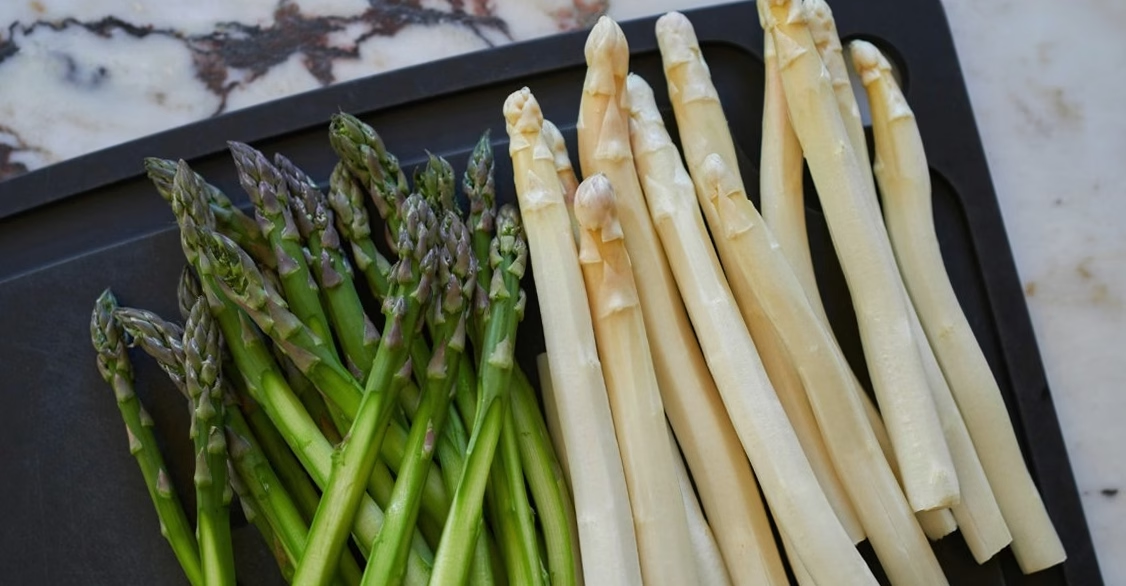
Start with selection. Choose stalks that are straight and uniformly sized when possible. Uniformity helps ensure even cooking. A batch composed of vastly different thicknesses should be split into groups for separate cook cycles.
Prepare the spears by snapping or trimming the woody ends. A practical method is to bend one spear until it naturally snaps; use that as a guide to trim the rest. For visual consistency on the plate, trim cleanly so the ends align as a group when plated.
Pat the asparagus dry to remove surface moisture. Excess water steams the spears and prevents direct char. lightly oil—just enough to promote contact with the grate and to carry seasoning. Use a neutral oil with a high smoke point like grapeseed or a refined olive oil; for a slightly grassy note, a drizzle of good extra-virgin olive oil can be applied off-heat after cooking.
Preheat the grill to high heat. For most gas grills, that means preheating until the grates are hot and the thermometer reads around 500°F (260°C) at the level of the grates. Charcoal grills should have a hot bed of coals with a gray ash coat. The goal is a quick sear that crisps tips and creates crosswise char without overcooking the interior.
Place the spears perpendicular to the grates, or use a grill basket if spears are thin. Keep them in a single layer; crowding reduces airflow and leads to steaming. Cook times vary: thin “pencil” asparagus may take 2–3 minutes, medium stalks 3–4 minutes, and thick, meaty spears 4–6 minutes. Turn once halfway through with tongs; avoid constant flipping.
Watch for visual cues: the tips should darken but not shrivel, and the shaft should become a brighter green with slight translucency. If there is resistance when testing with tongs, the spears need a few more seconds. Rest the spears off heat for a minute to let carryover cooking subside.
For a precise finish, check internal doneness by piercing the thickest part with the tip of a knife; it should give but not be mushy. For hospitality contexts where timing must be exact, stage spears on a warmed but off-heat surface and finish with a quick char just before serving.
Example scenario: for a backyard dinner where guests arrive in waves, assemble trimmed spears in a bowl with a light toss of oil and salt. Grill in batches and hold on a warm sheet pan covered loosely with foil; refresh by a 20–30 second sear before plating.
Key insight: prioritize heat and timing—high, fast, minimal flips—to achieve spears that are crisp-tender with defined char marks.
Best seasoning and marinades for grilled asparagus: simple, bold, and designerly
Grilled asparagus rewards restraint. The vegetable’s sweetness and smoky notes from the grill pair well with simple seasonings, but subtle layers—acid, fat, umami—elevate the experience. Think of seasoning as a small toolkit: salt, acid, fat, and an accent.
Start with salt. Use a coarse salt like kosher or Maldon flake before grilling when spears are oiled. Salt on the raw spears draws out moisture and helps form a thin seasoned crust. If a finishing salt is preferred, add it after grilling for a bright crunch.
Acid is the designer’s finishing touch. A squeeze of lemon or a quick drizzle of a thin citrus vinaigrette brightens the char and refreshes the palate. For a Korean-modern twist, substitute yuzu or a light rice vinegar for a more floral tang.
Fat carries flavor and softens the vegetable’s edges. A light brush of oil prior to heat is essential; finish with a small scatter of toasted sesame oil for nuance. If using extra-virgin olive oil, apply sparingly after grilling to avoid overpowering the char.
Umami and heat are the accents. Add a sprinkle of grated Parmesan or crumbled feta for savory contrast. For spice, a few flakes of toasted gochugaru or crushed Aleppo pepper add warmth without overwhelming. A fine dice of preserved lemon, or a spoon of miso-sesame dressing, introduces complexity for more composed plates.
Marinades can be useful but should be short. Acid-heavy marinades will cook the spears prematurely if left too long. Instead, prepare a marinade of olive oil, lemon zest, a touch of honey, and garlic; toss spears for 10–15 minutes before grilling. For a bolder option, mix soy sauce, mirin, and sesame oil for a short 5–10 minute glaze—apply it at the final minute of grilling to avoid burning from sugars.
Provide two concrete seasoning pairings for home cooks:
- Classic: olive oil, sea salt, lemon zest 🍋 — minimal, clean, and bright.
- Korean-modern: sesame oil, gochugaru, toasted sesame seeds, soy-mirin glaze 🌶️ — smoky, nutty, and savory.
Example application: for a weeknight meal, grill spears with basic oil and salt, then top with a quick gremolata of lemon, parsley, and garlic. For a dinner-party plate, roast peanuts, toss with a miso vinaigrette, and finish the asparagus with these elements for layered texture.
Key insight: season simply pre-grill; introduce bright or savory finishes after grilling to preserve texture and reveal the vegetable’s inherent sweetness.
Grilling asparagus for every thickness: timings, tricks, and a blanching option
Asparagus varies widely in thickness. The trick is matching technique to girth so the surface chars while the interior reaches crisp-tender without drying out. Three practical thickness categories help organize approach: pencil, standard, and thick (meaty).
Pencil-thin spears (about the diameter of a pencil) cook fastest and are prized for delicate texture. They char quickly and can be lost through grates if not handled carefully. For pencil spears: toss in oil, salt lightly, and use a grill basket or lay perpendicular to the grates. Cook over high heat for roughly 2–3 minutes, turning once. The goal is a little smoke, warmed center, and intact tips.
Standard spears (the most common supermarket size) balance crispness and meatiness. They need about 3–4 minutes; a single turn delivers even color. These spears are ideal for most presentations and hold up to finishing sauces.
Thick, meaty spears require more care. Their exterior can char while the interior remains underdone. Two strategies work well: a two-step method or brief blanching. The two-step method begins with indirect heat or a cooler zone on the grill to allow internal heating for a few minutes, then finishes over direct high heat to sear. Alternatively, blanch thick spears in salted boiling water for 1–2 minutes, shock in ice water, and finish on the grill for 90–120 seconds to add color and smoke without overcooking.
Practical tests in home kitchens often show that the blanch-and-finish method provides the most consistent results for inconsistent batches or when timing must align with other dishes. Blanching standardizes internal texture and reduces the risk of rubbery ends from over-char.
Use a visual guide: when a spear transitions from matte to glossy and the color becomes a lively green, it is near done. The tip should remain intact; if it blackens and curls, the heat was too intense or the spear overcooked.
For service sequences, stagger grilling by thickness: start thick spears earlier, then add standard and pencil spears to the hot zone later. This staging prevents cold waiting and keeps hold times minimal.
Case example: a mid-summer dinner featuring grilled fish and asparagus can be choreographed by grilling thick spears first while the fish rests, then finishing pencil spears last for textural contrast. This approach keeps both elements at peak temperature and appearance.
Key insight: match technique to thickness—two-step indirect/direct heat or blanching plus quick sear for thick; straight high heat for thin and standard spears—to guarantee uniform doneness across a plate.
Grilled asparagus on gas, charcoal, and grill pan: equipment choices and workflow
Equipment choice changes the grill experience more than seasoning does. Gas offers control and convenience, charcoal delivers smoke complexity, and a grill pan or indoor stovetop grill provides a consistent surface for urban cooks. Understanding each tool’s strengths enables predictable results.
Gas grills are ideal for reliability. With instant heat and dialed zones, gas allows quick searing and easy temperature adjustments. For gas: preheat for 10–15 minutes, use the hot zone for fast charring, and reserve a cooler zone for staging thicker spears. A stainless-steel or cast-iron grate gives clear sear marks; porcelain-coated grates retain less intense heat but are kinder to delicate spears.
Charcoal grills add smoky complexity. Lump charcoal lights faster and burns hotter; briquettes are steadier. For charcoal: establish a two-zone fire—coals on one side, no coals on the other. Start thick spears over the cooler side to cook through, then move to the hot coals for finishing. If a smoky note is desired without heavy ash, use wood chunks like apple or oak sparingly. Wind direction matters—position the grill so smoke moves across the food, not straight into faces or a dining table.
Grill pans and stovetop griddles are indispensable for apartments or dinner parties where outdoor grilling isn’t possible. Preheat the pan until it is very hot; add oil and arrange spears in a single layer. Flip when grill marks form. A cast-iron pan mimics outdoor grilling texture but lacks smoke; finish with a sprinkle of smoked sea salt if a smoky whisper is desired.
Grill baskets and skewers are practical accessories. Baskets prevent thin spears from falling through grates; flat skewers or a grill plank can present spears attractively. When using skewers, thread spears through the center to stabilize them and keep ends visually aligned for plating.
Workflow matters. For a smooth service: pre-trim and oil spears, set out tongs, a bowl for finished spears, and a tray for staging. Use a timer or mental cadence: thin spears first to stay tender, thicker spears staged on the cooler side and finished last. Clean grates between batches to avoid burned-on sugar from marinades discoloring subsequent spears.
Example: in a pop-up dinner context, an operator might use two grills—charcoal for smoky mains and a gas grill for sides—so asparagus can be finished in precise bursts to match courses. For at-home cooks, a single grill zone and a simple staging pan work effectively when paired with careful timing.
Key insight: choose equipment to match the desired flavor—gas for control, charcoal for smoke, pan for convenience—and design the workflow so asparagus is finished and plated at its visual peak.
Plating, pairings and visual presentation for grilled asparagus
Presentation is the final act. For design-aware cooks, asparagus is an instrument of linear composition: spears create direction, negative space emphasizes color, and a single bright garnish draws the eye. The visual language should echo the restrained, Korean-modern aesthetic favored by the magazine’s readers.
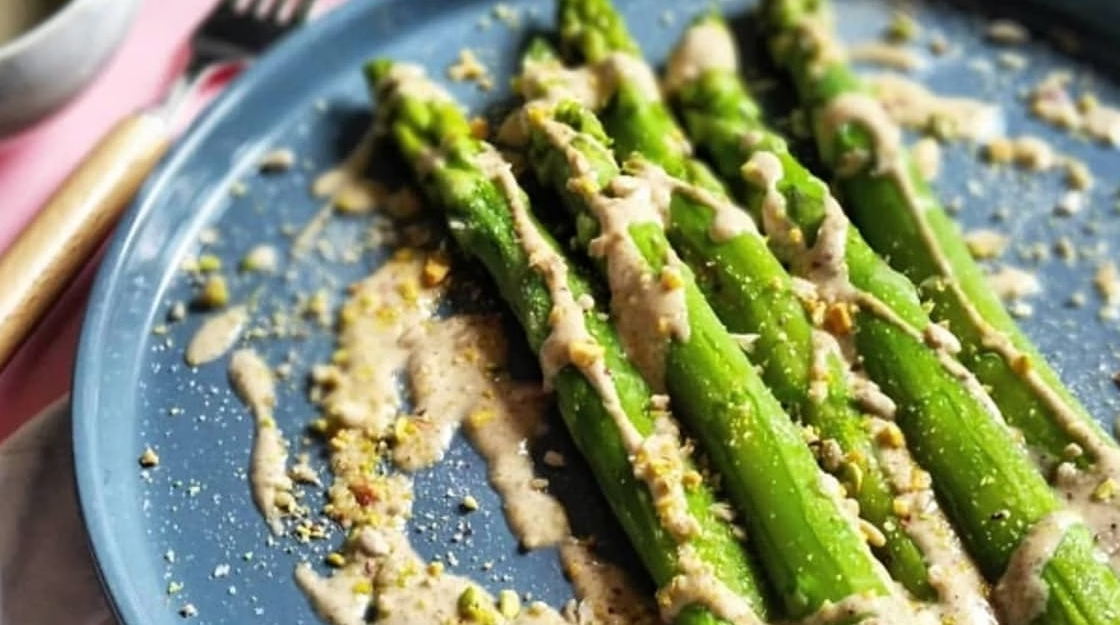
Start with the plate. Matte ceramics in neutral tones—ivory, soft grey, or muted navy—allow the green to pop without competing. Arrange spears in parallel lines or a slight fan to create rhythm. For composed plates, layer asparagus across protein, letting tips point to the plate’s center to guide the eye.
Texture contrasts are essential. Add a crunchy element—toasted seeds, fried shallot, or crushed toasted peanuts—for tactile interest. A smear of a creamy component, such as whipped ricotta or tahini-yogurt, anchors the spears and offers a place for seasoning to pool.
Color accents should be intentional. A few dots of chili oil, a scatter of micro herbs, or a strip of preserved lemon zest introduces a focused point of color. The aim is not clutter but a deliberate highlight.
Consider pairing logic. Asparagus pairs well with simple proteins and bright acids. Serve with grilled fish, roasted chicken, or a lightly dressed grain salad. For richer mains, offset with acidic or herbal notes: a parsley-caper salsa or lemon-chile dressing keeps the plate lively.
Compose for photography. For editorial shots, leave ample negative space and orient spears toward the camera at an angle. Elevate a few spears on a folded napkin or a small mound of grains to create depth. Lighting should be soft and directional to emphasize char texture and shadow.
Practical plating checklist with emojis for quick reference:
- 🔲 Choose a matte neutral plate to highlight color.
- 📐 Arrange spears in parallel lines or a gentle fan for visual rhythm.
- 🍋 Add one bright acid—lemon, yuzu, or vinegar—to cut richness.
- 🌶️ Include an accent spice (gochugaru, chili oil) for contrast.
- 🥜 Finish with a crunch element to balance mouthfeel.
Example mise-en-place for a dinner party: roast a lemon-butter trout, place three asparagus spears across the fillet, spoon a few dot-like pools of herb oil, scatter toasted sesame, and finish with lemon zest. The plate reads clean and intentional while offering layered flavor.
Key insight: plating is functionally aesthetic—let composition support eating, not compete with it. One deliberate accent will often outperform multiple competing garnishes.

Hi, I’m Landon Brooks. I am the editor-in-chief of Cook and Design, but for the first decade of my working life I was actually a product designer in New York.