Beef Casserole: a Hearty Slow-Cooked Stew Recipe That Tastes Like a Restaurant Classic
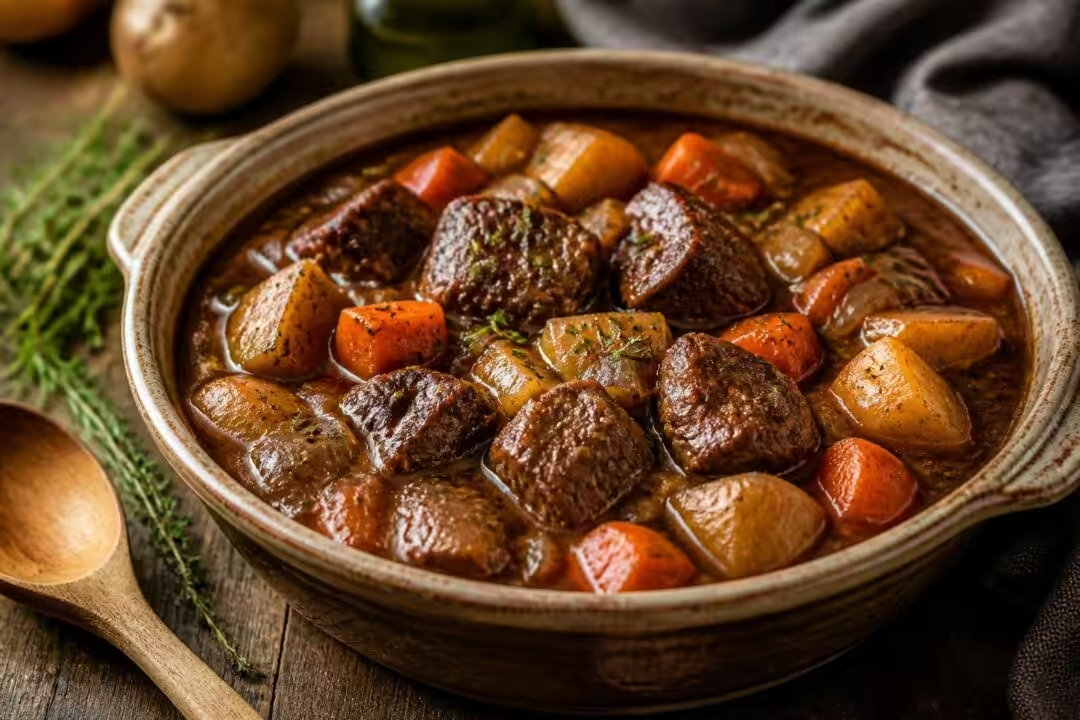
Beef casserole is often treated as a synonym for beef stew, and in everyday kitchens that’s mostly true. What matters is not the label on the pot, but the experience in the bowl: fork-tender beef, vegetables that still look like themselves, and a sauce that clings rather than puddles. The difference between “fine” and “unforgettable” usually comes down to a few deliberate choices—especially at the beginning and the end of cooking.
A practical way to picture this is through a familiar scenario: Nora, a busy parent with a slow cooker and a rainy-week schedule, wants one dish that can stretch across dinner, lunch, and a freezer portion. The first attempt is predictable—everything goes in raw, the meat cooks through, but the broth stays thin and the flavors feel muted. The second attempt is more intentional: the beef is browned in batches, the pan is deglazed with red wine, and a final swirl of cold butter transforms the sauce into something glossy and rounded. The ingredients barely change; the method changes everything.
That’s the quiet promise of this style of casserole. It’s hearty without being heavy, deeply savory without being salty, and structured enough that carrots stay bright and potatoes keep their edges. It also rewards patience. Slow cooking isn’t simply about low heat; it’s about giving connective tissue time to melt while flavors marry gently, instead of being shocked into blandness by too much liquid and not enough browning.
The cut of beef is the first major decision. Chuck roast (often sold as braising steak or stewing steak) contains marbling and collagen that gradually dissolves, creating richness without requiring cream. Lean “stew meat” can work, but it’s far easier to end up with stringy pieces that never quite relax. The second decision is how to build depth early on. A casserole that tastes “brown” but not “beefy” usually skipped the most important flavor engine: searing and deglazing.
Think of the bottom of a pan as a flavor savings account. When beef is seared—about 45 seconds per side in a very hot pan—the browned crust leaves behind concentrated bits. Deglazing with Cabernet Sauvignon (or Merlot) dissolves those bits into the cooking liquid, giving the final sauce complexity that broth alone rarely achieves. It won’t taste like wine; it tastes like the stew has been simmering for twice as long. 🍷
The last decision is a small, chef-y gesture that changes the texture more than expected: monter au beurre, or whisking/swirling in cold butter right at the end. This doesn’t make the casserole buttery in a loud way; it makes the sauce silky instead of watery. It’s the kind of finish that makes a slow cooker meal feel intentional, not accidental—and it sets up the next section, where each ingredient earns its place.
Best Ingredients for Beef Casserole: Why Chuck Roast, Wine, and Butter Matter
A great beef casserole isn’t built from a long shopping list; it’s built from ingredients with jobs. Each component should either deepen flavor, improve texture, or protect the vegetables from turning to mash. When everything has a role, the dish becomes reliable—important for anyone cooking on a schedule, hosting family, or meal-prepping for the week.
Start with the protein. Beef chuck (about 2½ pounds) is ideal because its collagen breaks down slowly and keeps the meat succulent. This is not the place for ultra-lean cuts marketed as “healthy stew cubes.” Those cook through quickly but don’t soften kindly, and the sauce loses the body that collagen naturally contributes. In other words, chuck doesn’t just feed the dish; it thickens it.
Flour is another quiet workhorse. A light coating—around ¼ cup—does two things: it helps the beef brown more evenly and creates a gentle thickening effect later. This is not about turning the stew into paste; it’s about preventing that thin, watery texture that makes a casserole feel like soup with chunks. For gluten-free cooks, the same effect can be achieved by skipping flour at the start and using a cornstarch slurry near the end, but the browning still matters.
Fat choices shape aroma. Olive oil is practical for searing because it browns without scorching as quickly as butter alone. Then butter steps in for flavor: one tablespoon early to soften onions, and two tablespoons cold at the end for that glossy finish. This final swirl is especially effective in 2026 kitchens where many cooks rely on slow cookers and multi-cookers; those appliances excel at tenderness but can leave sauces flat unless finished thoughtfully. 🧈
For the backbone, onions and garlic do more than “add flavor.” Yellow onions sweeten over time and give the gravy a rounded base, while fresh garlic avoids the slightly metallic, dull note that jarred garlic can bring to slow-cooked dishes. Tomato paste contributes body and gentle acidity; Worcestershire adds an umami undertone that reads as “more beef” rather than “more sauce.” Two bouillon cubes alongside beef broth create a stronger foundation without forcing the cook to reduce liquid for hours.
Vegetables need strategy. Carrots provide sweetness and color; baby Yukon Gold potatoes hold their shape, staying creamy but intact even after a full day on LOW. Russets, by contrast, tend to collapse and cloud the sauce. Frozen peas are a freshness cue: they should go in at the end so they stay green and slightly snappy rather than grey and soft. 🌿
The liquid you choose defines the casserole’s personality. Cabernet Sauvignon adds depth and balances sweetness from onions and carrots, while stout or ale produces a darker, more malty gravy—an “Irish twist” that feels especially fitting on cold evenings. Alcohol-free versions can still be full-bodied by using broth plus a small amount of red wine vinegar for brightness. The key is not the alcohol; it’s the acid and complexity that keep the dish from tasting one-note.
When ingredients are chosen for function, the recipe becomes adaptable without losing its soul—perfect preparation for the next section, where technique turns these building blocks into a consistently rich casserole.
Watching how cooks brown meat in batches and scrape up the fond makes the flavor-building steps feel less optional and more like the “secret” hiding in plain sight.
How to Make a Hearty Slow-Cooked Beef Casserole: Searing, Deglazing, and Low Heat
Technique is the difference between a stew that’s merely tender and one that’s deeply satisfying. A slow cooker can tenderize almost anything if given enough time, but it cannot automatically create the roasted, caramelized flavors that come from high heat. That’s why the first 15 minutes—before the slow cooking even starts—often determine whether the final bowl tastes memorable. 🔥
Begin by cutting the beef into 1-inch cubes. Large pieces take too long to become tender and can leave uneven texture; tiny pieces can dry out and shred. Trim only large, hard pieces of fat, but keep marbling—marbling is what turns into succulence later. Season assertively with pepper and a blend such as garlic salt and celery salt if desired, then toss with flour to create a light coat.
Searing should be done in batches, in a pan that holds heat well. Cast iron is ideal because it maintains temperature when cold beef hits the surface. The goal isn’t to cook the meat through; it’s to create a crust quickly—around 45 seconds per side in hot oil. Overcrowding is the classic mistake: too much beef releases steam, and instead of browning, the pieces turn grey. Browned beef tastes like dinner; grey beef tastes like “something will be added later.”
Once the beef is transferred to the slow cooker, onions go into the same pan with a little butter. They should soften for about five minutes until glossy, then garlic joins briefly—about a minute—to avoid bitterness. Now comes the pivotal move: deglazing with red wine. Pour it in and scrape the bottom thoroughly; those browned bits dissolve into the liquid and become the base note of the whole casserole. This moment is where “thin broth” becomes “gravy potential.” 🍷
From there, everything can be assembled: beef broth, bouillon cubes, tomato paste, Worcestershire, carrots, potatoes, bay leaves, and rosemary. The ratio matters. Too much liquid makes the end result soupy; too little risks scorching around the edges in some slow cookers. A balanced approach is to use broth as the primary liquid and let vegetables contribute moisture as they cook. Then choose the schedule: LOW for 7½–8 hours gives the most consistent tenderness, while HIGH for 3½–4 hours works when time is short.
Peas should be treated like a garnish that cooks briefly. Add them in the last 15 minutes so they keep their sweetness and bright color. If thicker sauce is preferred, a cornstarch slurry can be stirred in near the end and allowed to heat through. But the most elegant thickener is the finishing butter: remove bay leaves and woody herb stems, then swirl in cold butter gently until the sauce becomes glossy. This is not vigorous stirring; it’s a slow fold that emulsifies fat into the liquid.
For cooks like Nora who want a reliable routine, a short rest before serving makes a noticeable difference. Letting the casserole sit for 10 minutes allows starches and gelatin to settle, naturally thickening the sauce. It also reduces the temptation to add extra flour or starch too early. The result is a bowl that looks composed: beef that yields, potatoes with edges, carrots that still feel like carrots.
To make the workflow easy to follow, here is a practical checklist that keeps the method consistent even on busy weeknights:
- 🍖 Brown in batches to avoid steaming and build deep flavor.
- 🍷 Deglaze the pan and scrape every browned bit into the cooking liquid.
- 🥔 Cut potatoes larger so they don’t over-soften during long cooks.
- 🌿 Add peas late to preserve color and bite.
- 🧈 Finish with cold butter for a velvety, restaurant-style sauce.
Once the technique is locked in, it becomes easier to troubleshoot and customize—exactly what the next section tackles with common problems and fixes that keep the casserole dependable.
Beef Casserole Mistakes to Avoid: Fix Tough Beef, Watery Gravy, and Mushy Potatoes
Even experienced cooks run into casserole problems because slow cookers can hide issues until serving time. The dish smells comforting all day, then the lid lifts and something feels off: beef that pulls into strings, potatoes that dissolved, or sauce that looks like tinted broth. The good news is that these problems have straightforward causes, and once understood, they’re easy to prevent.
Tough beef is the complaint heard most often. It usually comes from either using a lean cut or not giving collagen enough time to transform. Lean stew cubes can become fully cooked yet remain firm, which feels confusing—how can something be cooked and still be tough? The answer is that tenderness isn’t just temperature; it’s structural change. Collagen needs time at gentle heat to turn into gelatin. That’s why chuck roast, skirt, or other braising cuts are so forgiving. If time is short, cutting the beef slightly smaller and choosing LOW when possible tends to improve texture more reliably than cranking the heat.
Watery gravy typically traces back to skipped browning and too much liquid. Without searing, the dish lacks concentrated flavor compounds, so the cook adds more salt or stock cubes, which can push the casserole into salty territory while still feeling thin. A light flour coat plus proper browning solves two problems at once: it creates a thickening base and provides roasted notes. Deglazing also matters here; if the fond never makes it into the pot, the broth can taste flat even when seasoned.
Mushy potatoes are a vegetable selection issue more than a timing issue. Russets break down quickly and cloud the sauce, which can be pleasant if a thick, rustic texture is the goal—but it’s not the look most people expect from a casserole with defined chunks. Yukon Golds, especially baby potatoes, hold their structure and still become creamy inside. Cutting them into larger pieces gives them a buffer against long cooking. Carrots, similarly, should be cut into chunky segments rather than thin coins if they’re meant to keep shape.
Flavor that feels “flat” often indicates that the casserole lacks contrast. Rich dishes need a little bitterness, acid, or aromatic lift. Worcestershire sauce provides umami and subtle tang; tomato paste contributes both sweetness and acidity; red wine brings brightness and complexity. If alcohol is avoided, a modest splash of red wine vinegar can recreate the balancing effect. Another lift comes from herbs: bay leaves and rosemary should be present but not aggressive. Too much rosemary can dominate; a restrained amount perfumes the sauce rather than turning it piney.
To make these fixes easy to reference, the following table links the most common symptoms to their cause and the most effective solution:
| Problem ⚠️ | Why it happens 🔍 | How to fix it ✅ |
|---|---|---|
| Tough or chewy beef 🍖 | Lean cut or not enough slow time for collagen to melt | Use chuck/braising steak; cook LOW longer; avoid tiny cubes |
| Watery sauce 🥣 | Skipped flour/sear; too much liquid; no fond incorporated | Lightly flour + brown; deglaze; reduce added liquid if veggies are very wet |
| Mushy potatoes 🥔 | Russets break down; pieces cut too small | Choose Yukon Gold; cut into larger chunks; add later only if cooker runs hot |
| Flat, one-note flavor 😐 | No acidity or umami; seasoning added too timidly | Add Worcestershire + tomato paste; use wine or a vinegar alternative; season in layers |
| Dull peas and “grey” finish 🫛 | Peas cooked too long; sauce not finished | Add peas in last 15 minutes; finish with cold butter for gloss |
There’s also a “soft skill” that prevents many mishaps: resisting the urge to lift the lid repeatedly. Each peek releases heat and extends cooking time, which can lead to over-soft vegetables and uneven tenderness. Keeping the process calm and consistent tends to produce the most stable results.
With common pitfalls handled, the casserole becomes a canvas for personalization—wine swaps, stout versions, extra vegetables, and make-ahead strategies that fit real schedules without sacrificing quality.
The finishing steps—thickening choices and butter emulsification—are easier to execute confidently after seeing the texture change in real time.
Slow Cooker Beef Casserole Variations, Batch Cooking, and Serving Ideas for Cozy Dinners
Once the core method is dependable, variation becomes fun rather than risky. The best customizations are the ones that respect the casserole’s structure: long-cooking beef, sturdy vegetables, and a sauce with both depth and balance. This is where a creative cook can tailor the dish to seasons, pantry constraints, or dietary needs while still landing at that signature comfort-food feeling. 🍂
For wine-based versions, Cabernet Sauvignon is a classic option because it brings dark fruit notes and tannins that mellow over slow heat. Merlot works similarly, often a touch softer. When wine isn’t available—or simply isn’t wanted—the most convincing substitute is beef broth plus a small amount of red wine vinegar. The vinegar shouldn’t make the casserole taste sharp; it should make the flavors feel “awake.” A good rule is to add the vinegar gradually, tasting toward the end so it doesn’t dominate after hours of cooking.
A stout or ale variation creates a deeper, malt-forward gravy. This style pairs beautifully with root vegetables like parsnips or swede (rutabaga), which absorb the darker sauce and add earthy sweetness. It’s the kind of bowl that feels at home with buttered greens on the side and a thick slice of bread. The beer doesn’t need to be fancy; a straightforward bitter or ale is often best because it doesn’t introduce sugary flavors that can tip the sauce too sweet.
Vegetable add-ins should be chosen for resilience. Celery holds its shape and contributes a savory aromatic note. Parsnips bring sweetness and a faint spice. Mushrooms can add umami, but they release water; if using them, reduce the broth slightly or sauté them first to drive off moisture. For families that want “hidden veg,” finely diced celery or grated carrot can melt into the sauce, thickening it naturally while keeping the texture familiar for picky eaters.
Gluten-free adaptations can still feel luxurious. Skip flour at the browning stage and instead thicken near the end with a cornstarch slurry. The key is to let the casserole bubble briefly after adding slurry so starch granules fully hydrate; otherwise, the sauce can taste starchy. Then finish with cold butter as usual to round out the mouthfeel. The result is glossy and cohesive without relying on wheat.
Batch cooking is where this dish quietly shines. Beef casserole tastes better the next day because flavors settle and the sauce thickens slightly as it cools. For Nora’s weekly rhythm, one slow cooker session can yield dinner plus two lunches. Storage is straightforward: refrigerate for up to 3 days or freeze up to 3 months. For freezing, it helps to cool the casserole completely first, portion it into flat containers for quicker thawing, and label it with the date. In 2026 households where freezer space is precious, flat portions stack neatly and thaw evenly.
Reheating should be gentle. On the stovetop, warm over medium-low and add a splash of broth if the sauce has tightened too much. In a microwave, heat in intervals and stir between them to keep the gravy smooth. If the casserole was finished with butter originally, it will still reheat beautifully, but the gloss can be refreshed with a tiny pat of butter stirred in at the end.
Serving ideas can shift the mood from weekday practical to weekend cozy. Spoon the casserole over creamy mashed potatoes for maximum comfort, or serve with crusty bread to mop up sauce. Buttermilk biscuits make it feel like a special occasion without extra work. For a lighter plate, pair it with bitter greens dressed with lemon—acid on the side can make a rich dish feel surprisingly balanced.
To keep choices clear without overcomplicating dinner, here’s a compact list of variations and pairings that consistently hold up:
- 🍺 Stout version: replace wine with stout; add parsnips for earthy sweetness.
- 🍷 Wine-free version: broth + a little red wine vinegar for balance.
- 🥕 Extra-veg boost: celery + swede/rutabaga for a heartier winter feel.
- 🌾 Gluten-free finish: cornstarch slurry near the end; keep the cold-butter swirl.
- 🍞 Serving upgrade: crusty bread or biscuits for sauce-mopping satisfaction.
When the casserole is treated as a flexible template—built on searing, deglazing, and a silky finish—every variation still tastes deliberate, and that’s the real hallmark of a dish worth repeating.

Hi, I’m Landon Brooks. I am the editor-in-chief of Cook and Design, but for the first decade of my working life I was actually a product designer in New York.