| Sections / What to remember 🗂️ | Quick notes / Key takeaways ✨ |
|---|---|
| 1. Beef Stroganoff Origins & Cultural Context 🍽️ | Classic roots, 20th‑century evolution, modern American kitchen adoption 🇺🇸 |
| 2. Choosing Beef & Mushrooms 🥩🍄 | Pick tender cuts; mushrooms add umami and texture; slice against the grain 🔪 |
| 3. Technique: Sear, Deglaze & Sauce 🔥 | Sear first, deglaze for depth, finish with a mix of sour cream and cream for silk |
| 4. Presentation, Pairings & Visual Design 🎨 | Egg noodles or mashed potatoes; plating matters — contrast, negative space, tactile ceramics |
| 5. Make‑Ahead, Variations & Troubleshooting 🕒 | Storage tips, dairy swaps, wine or bacon variations, reheating gently to preserve creaminess |
Beef Stroganoff Origins & Cultural Context — Why this Creamy Classic Still Matters
Beef Stroganoff arrived in Western cookbooks as a late 19th to early 20th‑century recipe tied to Russian salons, but its longevity comes from adaptability. The original formula of sautéed beef with a creamy, tangy element evolved into myriad national variants; in the United States it became shorthand for comfort without pretense.
Through the decades, Beef Stroganoff shifted from a banquet dish to a weekday favorite. Mid‑century American home cooks embraced quick pan‑sauté techniques and pantry shortcuts, turning the dish into a staple in family cookbooks. By 2026, its staying power reflects both nostalgia and an appetite for dishes that balance richness with speed.
- Pick a tender cut
Tenderloin or sirloin give the best bite after a fast sear. Flank or skirt work if you slice them extra thin.
- Slice against the grain
Cutting the meat across the grain shortens the muscle fibers and makes every bite more tender.
- Sear in batches
Give the beef room in the pan so it browns instead of steaming. Crowding the pan ruins the crust.
- Deglaze the pan
Pour in broth or wine after searing and scrape up the browned bits. That's where most of the flavor lives.
- Finish with dairy off the heat
Stir in sour cream and cream after the pan is off the burner to keep the sauce smooth and creamy.
How history shaped the modern recipe
Early recipes emphasized tenderloin and a delicate sauce. As socioeconomics changed, more affordable cuts and the rise of condensed soups led to drier, heavier versions. Contemporary iterations returned to technique—fast searing, deglazing, and a balanced dairy finish—restoring the dish’s original elegance.
Design‑aware cooks in metropolitan areas often reinterpret Stroganoff through an aesthetic lens: muted platings, hand‑made ceramics, and a single sprig of parsley as punctuation. That visual restraint mirrors a culinary return to thoughtful technique: a brief sear to preserve texture, then a short, controlled simmer to marry flavors.
Maya’s thread: a small narrative that surfaces intention
Maya, a Brooklyn ceramicist and weekday home cook, keeps a small notebook of dishes that deserve special bowls. For her, Stroganoff is a dish that benefits from considered tools and modest time. The act of searing beef, watching mushrooms brown, and spooning glossy sauce over noodles becomes a ritual rather than a rush.
That ritual perspective is important in 2026: with more cooks buying ceramics and thinking visually about dinner, Stroganoff functions as both comfort and a vehicle for craft. This cultural shift matters when choosing techniques and plating—both need to respect time, ingredient quality, and negative space.
Why the dish remains relevant in 2026 kitchens
Stroganoff works for weeknights and dinner parties alike because it balances speed with perceived luxury. A 30‑minute execution window yields a restaurant‑quality result when searing, deglazing, and finishing are executed with intention. The dish also pairs well with contemporary pantry items—smoked paprika and Dijon mustard are subtle modern accents that deepen flavor without masking the beef.
Key takeaway: in a design‑minded kitchen, Beef Stroganoff is both an exercise in restraint and a showcase for texture; it rewards small investments—good knife work, proper searing, and a clean ceramic bowl.
Selecting Beef and Mushrooms for Beef Stroganoff — Cuts, Texture, and Umami Choices
Choosing the right beef and mushrooms sets the dish’s architecture. Tenderness, marbling, and how the cut responds to a high heat sear determine final texture. Meanwhile, mushroom selection controls umami and mouthfeel. Thoughtful pairing of protein and fungi ensures the sauce remains the star rather than a cover for under‑cooked meat.
Beef choices commonly recommended include tenderloin and sirloin, which are ripe for quick searing. Both cuts respond well to a 1–2 minute per side sear and stay tender if not overcooked. For a more economical but still successful option, thinly sliced flank or skirt steak can work, provided it’s cut thinly against the grain and cooked briefly.
Cuts of beef: why they matter
Tenderloin yields the most tender bite but carries a premium price. It is forgiving when sliced thin and seared quickly, producing luxurious mouthfeel without heavy sauce compensation. Sirloin provides a balance of flavor, price, and tenderness; it benefits from a slightly higher sear to caramelize surfaces. Flank or skirt steak is leaner—thin, angled slicing against the grain is essential to avoid toughness.
For a textural contrast strategy, one restaurant approach is to briefly rest thinly sliced beef, then finish in the sauce off heat, preserving juiciness. In 2026, sous‑vide aficionados sometimes pre‑cook tougher cuts to precise internal temps, then sear for color—this hybrid method guarantees consistency for batch or party service.
Mushroom selection and umami layering
Cremini or button mushrooms perform well in quick pan work: they brown reliably and offer moderate earthiness. For deeper, more complex umami, include shiitake or a mix of wild mushrooms. Dry‑aged or dried porcini can be rehydrated and used sparingly for an intense flavor lift.
Tip: let mushrooms brown undisturbed for the first two minutes; this encourages Maillard reaction and avoids steaming. A judicious pinch of salt early draws moisture, but salting too early risks slowing browning.
Shopping checklist and portioning
- 🥩 Beef: 1 lb (450 g) thinly sliced tenderloin or sirloin
- 🍄 Mushrooms: 8 oz (225 g) cremini, with optional shiitake for depth
- 🥕 Aromatics: 1 small onion, 2 cloves garlic
- 🧂 Pantry: Dijon, Worcestershire, smoked paprika, beef broth
Portion strategy: 8 oz egg noodles or a serving of mashed potatoes balances the richness of 1 lb beef for four persons when paired with a green salad. Visual presentation benefits from slightly under‑portioning starch to let the sauce and meat occupy center stage.
Final insight: pick beef for texture and mushrooms for depth; treat both with the same design‑minded respect—sharp knives, dry pans, and attention to sear times yield consistent results.
Technique Deep Dive — Searing, Deglazing, and Building a Silky Sauce for Beef Stroganoff
Technique is the spine of a reliable Stroganoff. The sequence—hot sear, remove beef, build flavor with onions and mushrooms, deglaze, and finish with cream and sour cream—ensures each element contributes. Skipping steps or changing order compromises texture and gloss.
Begin with a very hot pan and a single layer of beef. Searing for 1–2 minutes per side creates a caramelized crust and preserves internal juices. Crowding the pan reduces temperature and causes steaming; if necessary, sear in batches. Removing the beef keeps it from overcooking while the sauce develops.
Why deglazing matters
Deglazing with beef broth, wine, or brandy lifts browned bits (fond) into the sauce, transforming leftover caramelized proteins into depth. Scraping the pan with a wooden spoon integrates these pigments into the liquid; this step is not optional for a restaurant‑quality finish.
Choosing the deglaze: beef broth is a neutral, stable choice that reinforces meat flavor. A splash of dry white wine or brandy introduces acidity and aromatic notes—use sparingly to avoid overwhelming the dairy base.
Building the dairy finish
A successful finish balances texture and tang. Heavy cream adds silk and body while sour cream contributes tang and a classic Stroganoff identity. To avoid curdling, reduce heat before stirring in sour cream and temper it by whisking in a small amount of warm sauce first. Dijon mustard and Worcestershire sauce bring cohesion and umami.
For thicker sauce, a brief reduction works best; resist adding too much cornstarch early, as over‑thickening flattens mouthfeel. If a thickener is needed quickly, a tiny cornstarch slurry (1 tsp cornstarch + 1 tbsp water) added at the end and cooked briefly will preserve gloss.
Execution checklist and common pitfalls
- 🔥 Heat control: high for sear, medium for mushrooms, low for dairy finish
- 🥄 Deglaze: scrape fond fully to unlock depth
- 🕒 Timing: return beef briefly to warm; avoid overcooking
- 🥣 Dairy: lower heat before adding sour cream to prevent breaking
Example workflow: heat pan, sear beef, rest beef, sauté onions in butter+oil until translucent, add mushrooms and brown, add garlic then Dijon and smoked paprika, deglaze with ½ cup beef broth, simmer 2–3 minutes, lower heat and whisk in ½ cup heavy cream and ½ cup sour cream, return beef and warm through 1–2 minutes, adjust seasoning and finish with parsley.
Key insight: mastering temperature transitions—hot to brown, medium to render, low to finish—turns a quick recipe into a reliable, repeatable classic.
Presentation & Pairings — Plating Beef Stroganoff for the Design-Aware Cook
Plating transforms good food into an experience. For a dish like Stroganoff, which is richly sauced, balance is essential: contrast the glossy sauce with matte ceramics, offset warm tones with a cool napkin, and leave negative space so the focal ingredient reads clearly. Visual design decisions should serve taste, rhythm, and ease of eating.
Start by selecting a serving surface. A shallow, matte bowl in cream or soft pink allows the sauce’s glossy brown to pop. If the plate is textured, ensure the sauce doesn’t pool unevenly; shallow bowls work best for noodle beds. For a more rustic presentation, a wide white plate with a small nest of egg noodles offset by a controlled spoon of stroganoff keeps the aesthetic minimal.
Pairings: starch, vegetable, and wine
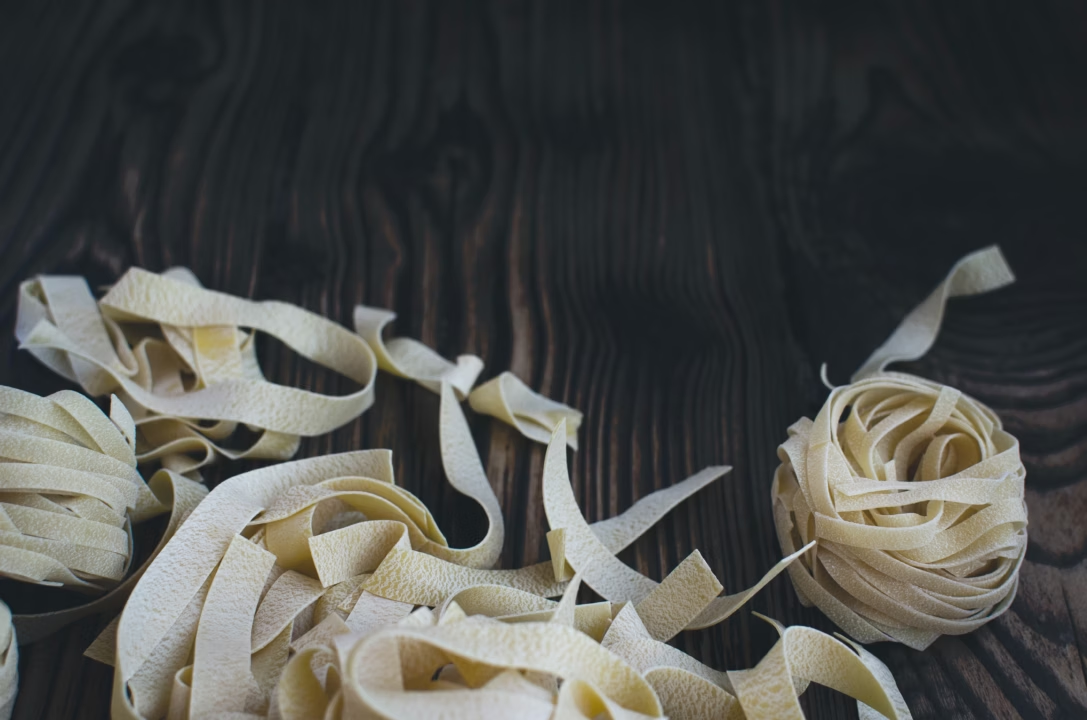
Classic pairings are egg noodles or mashed potatoes. Egg noodles deliver a silky counterpoint; a little butter tossed into hot noodles keeps them from clumping. Mashed potatoes provide a creamier backdrop and make the meal more substantial. A simple green component—steam blanched broccolini or a crisp fennel salad—cuts richness and adds color contrast.
For beverage pairing, a medium‑bodied red like Gamay or a lighter Pinot Noir complements beef without overpowering the dairy. If using white wine in the pan, choose the same varietal for service continuity.
Styling tips and serving rituals
Garnish sparingly: a spooned dollop of parsley and a light grind of black pepper create a fresh counterpoint. For a final flourish, a grate of Parmesan or a small pat of melted butter may be placed atop for sheen, but resist covering the plate with multiple garnishes.
Maya’s table ritual involves a warm ceramic bowl placed on a hand‑woven mat, a small side plate of pickled cucumbers for acidity, and a low, cast iron spoon. The ritual frames the meal: it is about eating and the act of seeing the food as an object worth the time.
Serving for different occasions
Weeknight service should prioritize speed: pre‑boil noodles and reheat gently with a slotted spoon to maintain texture. For entertaining, keep the sauce slightly looser in the pan and finish plates tableside to show off gloss and movement. Placing the skillet on a trivet lets guests take seconds while preserving temperature.
| Component 🍽️ | Purpose 🎯 | Serving suggestion ✨ |
|---|---|---|
| Egg noodles 🥚 | Light, silky base | Toss with butter, nest under stroganoff |
| Mashed potatoes 🥔 | Comforting, textural contrast | Make slightly looser with cream for sauciness |
| Blanched greens 🥦 | Acid and brightness | Serve chilled with lemon vinaigrette |
Final insight: a restrained palette on plate and table enhances the perception of care. Plating is not decoration; it is a tool for appetite and clarity.
Make‑Ahead, Variations, and Troubleshooting — Adapting Beef Stroganoff for Modern Kitchens
Modern weeks require flexible recipes. Stroganoff adapts well to make‑ahead strategies and thoughtful substitutions without losing identity. Managing dairy, timing, and reheating are the main technical considerations when planning ahead.
Storage: refrigerate Stroganoff in an airtight container for up to 3 days. To preserve texture, store the sauce and starch separately if possible. When reheating, warm gently on medium‑low and add a splash of beef broth or cream to restore fluidity; high heat risks breaking the dairy and tightening the beef.
Freezing and dairy concerns
Freezing is possible but best done before adding sour cream. Freeze the meat + mushroom + broth base, then thaw overnight in the refrigerator and finish with fresh sour cream or a dairy alternative when reheating. This maintains a fresher mouthfeel and avoids textural separation.
Dairy‑free swaps: coconut cream and cashew cream are reliable substitutes for heavy cream. Use a cultured dairy‑free yogurt or a commercial dairy‑free sour cream to retain tang. Butter can be swapped for olive oil but consider adding a touch of margarine or cultured butter substitute to mimic mouthfeel.
Variations that respect the dish
- 🍄 Wild mushroom mix: shiitake, chanterelle, cremini for depth
- 🥓 Bacon or smoked pancetta: render early for a smoky backbone
- 🍷 Wine or brandy: deglaze with ¼ cup for aromatic lift
- 🌶️ Spicy twist: ½ tsp red pepper flakes or a splash of hot sauce
For protein swaps, chicken Stroganoff—using thinly sliced breasts or thighs—follows the same method but requires careful timing to avoid dryness. Plant‑forward versions using seared king oyster mushrooms or textured soy pieces can produce similar mouthfeel when treated to a strong sear and a robust umami deglaze.
Troubleshooting common issues
Problem: sauce curdles. Cause: high heat when adding sour cream or sudden temperature change. Fix: remove from heat, whisk in a small amount of warm stock, then reintroduce slowly. Problem: tough beef. Cause: overcooking or wrong cut. Fix: slice thinner against the grain or choose a more tender cut next time. Problem: flat flavor. Cause: insufficient deglazing or seasoning. Fix: add a splash of Worcestershire, a squeeze of lemon, or a light pinch of smoked paprika.
Maya’s weekend ritual for leftovers: reheat gently with a tablespoon of broth, serve over quick buttered noodles, and top with a crisp radish salad for brightness. This small ritual revives the bowl and honors both texture and visual contrast.
Key final insight: Stroganoff rewards anticipation and care—plan storage, be ready with small corrective actions during reheating, and use variations to suit pantry and season.
What really makes Stroganoff work
What is the best beef cut for Stroganoff?
Tenderloin and sirloin are the classics because they stay tender after a quick sear. Thinly sliced flank or skirt steak is a budget-friendly alternative, as long as you slice it against the grain.
Can you make Stroganoff ahead of time?
You can, but reheat it gently over low heat so the sour cream doesn't curdle. Keep the sauce a little looser when you store it, then stir in a splash of broth or cream when warming.
Do I really need sour cream?
It's what gives the sauce that signature tang, but full-fat Greek yogurt or crème fraîche can stand in. Just don't boil it after adding, or it will split.
What goes best with Beef Stroganoff?
Egg noodles are the classic choice, but mashed potatoes and even rice are great options. Pick something that will soak up the glossy sauce.
A word after reading? One sentence is plenty
Leave a comment
Hi, I’m Landon Brooks. I am the editor-in-chief of Cook and Design, but for the first decade of my working life I was actually a product designer in New York.