
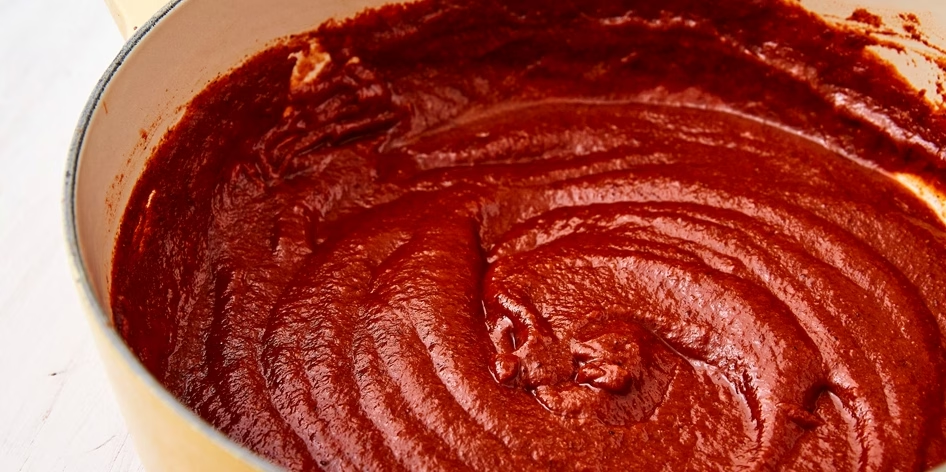
| Sections 🗂️ | Key notes 🔑 |
|---|---|
| 1. Peppercorn Sauce Recipe: Classic Components | Use freshly crushed peppercorns, low-sodium stock, and a touch of alcohol for depth 🌶️ |
| 2. How to Make the Creamy Steak Sauce from Scratch | Work in the same pan as the steak, temper cream, and finish with butter for silkiness 🧈 |
| 3. Variations & Substitutions | Green peppercorns, coconut cream, red wine, mushrooms — flexible and intentional choices 🍄 |
| 4. Serving, Pairing & Presentation | Choose cuts with fat and texture; plate with negative space and one herb sprig for contrast 🍷 |
| 5. Storage, Scaling & Troubleshooting | Refrigerate 3–4 days, freeze up to 3 months; rescue split sauce with gentle whisking and warm liquid ❄️ |
A concise editorial perspective from a design-minded kitchen: peppercorn sauce is a small, decisive gesture that turns an ordinary protein into a moment. This piece treats the sauce both as a practical recipe and a crafted object — emphasis on texture, color, and restraint — so that readers can make a pantry-forward peppercorn sauce that looks as intentional on the plate as it tastes.
Peppercorn Sauce Recipe: Classic Components and Why They Matter
At its core, peppercorn sauce is a study in balance: heat from cracked peppercorns, fat from cream and butter, and depth from reduced stock or alcohol. Each component has a functional role beyond taste. The peppercorns provide both aroma and a tactile pop; the stock supplies savory umami and saline control; the cream smooths edges and rounds flavor. Understanding the role of each ingredient allows small swaps without losing the sauce’s soul.
Start with pepper. Whole peppercorns—black, mixed, or green—are not merely spice but texture. Coarse crushing with a mortar and pestle creates uneven fragments that give the finished sauce character: a few big bits for bursts, finer pieces for steady heat. In practical terms, plan 1–3 teaspoons (5–15 mL) crushed for a medium-strength sauce; scale up or down based on tolerance and the protein’s fat content.
Alcohol—brandy, cognac, or a dry wine—serves primarily as a solvent. It deglazes the pan, extracting browned fond and dispersing volatile aromatics that water or stock won’t lift. A brief boil will remove most of the alcohol while concentrating flavor. Use 1/4 to 1/2 cup (60–120 mL) as the initial deglaze volume and reduce it until fragrant. This gives the sauce an unobtrusive complexity without boozy notes.
Stock choice matters. Beef stock brings muscular, mineral weight that plays well with fattier cuts like ribeye or strip. Chicken stock keeps the sauce lighter, suitable for chicken or roasted vegetables. Low-sodium stock allows precise seasoning at the end. For vegetarians, a concentrated vegetable stock with roasted mushrooms can mimic that savory depth.
Cream is the emulsifier and textural anchor. Heavy cream (about 180–240 mL per batch) yields the classic silky mouthfeel, but alternatives exist. Coconut cream can substitute for a dairy-free version, though it warms the flavor with a gentle sweetness. Whole milk will thin the sauce and require longer reduction or the addition of a small roux to achieve body.
Finally, small accents — Dijon mustard, Worcestershire sauce, and a finishing knob of butter — change the lens through which the sauce reads. Dijon adds perfume and lift, Worcestershire adds umami, and butter mounted off-heat smooths and enriches. Used judiciously, these elements bring the sauce into the realm of restaurant polish without fuss.
Example: In a Brooklyn weekend dinner scenario, the fictional ceramicist-cook Mina saves pan juices from a seared ribeye, deglazes with cognac, adds beef stock and cream, and finishes with a teaspoon of Dijon and a tablespoon of butter. The result is a sauce that reads visually as glossy and deep and tastes like a compact version of the steak itself. Key insight: ingredient intent shapes the sauce more than strict adherence to proportions.
How to Make Creamy Peppercorn Steak Sauce from Scratch (Step-by-step)
This section is a practical, pan-focused walk-through intended for cooks who pair function with aesthetics. The method assumes a 2–3 serving batch and that a steak has been pan-seared in the same skillet. Using the cooking pan preserves the fond and keeps the workflow compact.
- Crush Fresh Peppercorns
Coarse bits give bursts of heat. Plan 1 to 3 teaspoons for medium strength.
- Deglaze with Alcohol
Brandy, cognac, or wine lifts the browned fond and adds complexity. Boil off the alcohol until fragrant.
- Choose Low-Sodium Stock
It lets you season with salt at the end. Beef stock for red meat, chicken for lighter plates.
- Temper the Cream
Slowly whisk warm liquid into the cream so it doesn't curdle. Keeps the sauce silky.
- Finish with Butter
A knob off-heat adds shine and smoothness. That's the restaurant trick.
- Add a Touch of Dijon
Just a teaspoon lifts the whole thing. It brightens without screaming mustard.
Step-by-step method
1) Remove the steak and tent it to rest. Leave 1–2 tablespoons of rendered fat in the pan — this provides a flavor bridge between meat and sauce. If the pan is overly greasy, spoon off excess but keep brown bits intact.
2) Add 1/4 to 1/2 cup (60–120 mL) of brandy, cognac, or dry wine to the hot pan to deglaze. Bring to a brisk simmer and reduce for 1–2 minutes until aromatic. The visual cue: the pan should go from shiny to slightly syrupy.
3) Pour in 1/2 cup (120 mL) low-sodium beef or chicken stock. Increase heat briefly to bring to a simmer and reduce by about half. This concentrates flavor and creates a controlled base for the cream.
4) Lower heat to medium-low and whisk in 3/4 to 1 cup (180–240 mL) heavy cream gradually. Simmer gently until the sauce thickens enough to coat the back of a spoon. Do not boil; rolling bubbles can break the emulsion. Stir frequently for a smooth finish.
5) Stir in coarsely crushed black peppercorns — 1 to 3 teaspoons depending on desired heat — and a teaspoon of Dijon mustard if using. Finish with a teaspoon of Worcestershire sauce and a tablespoon of cold butter, whisked in off the heat to enrich and gloss the sauce.
6) Optional finishing: pass the sauce through a fine sieve for silkier texture, or leave as-is for a more rustic look with peppercorn fragments. Taste and adjust for salt and acidity.
Cooking nuances: when cream is added, temper it by slightly reducing the heat and whisking continuously. If a split occurs, remove from heat and whisk in a teaspoon of cold water or a splash of cream to coax the emulsion back. For thicker sauces, reduce longer; for thinner, add stock incrementally.
Tools: a sturdy skillet, mortar and pestle for crushing peppercorns, wooden spoon, and a fine-mesh sieve if a refined finish is desired. Each tool contributes to the final texture and appearance — the mortar creates irregular pepper shapes, the skillet carries fond, and the sieve determines how glossy the sauce will look.
Case study: For a weeknight version, Mina fries shallots first in butter until translucent, adds garlic briefly, then proceeds with deglazing and shortening the simmer time to keep vegetables tender. This adjustment yields a sauce with aromatic shallot pockets and quicker execution while preserving visual clarity on the plate. Key insight: mindful heat management and small finishing touches govern success.
Variations, Substitutions, and Dietary Tweaks for Peppercorn Sauce
peppercorn sauce is inherently adaptable. Intentional substitutions preserve the architecture of the sauce while shifting flavor, texture, and dietary profile. This section maps common swaps and explains their functional consequences, enabling confident modification without compromising the result.
Common swaps and their effects
Cream alternatives: Coconut cream is the primary dairy-free swap and will add a subtle coconut note. Use full-fat coconut milk or the cream from a chilled can for similar viscosity. For lower-fat options, use a 1:1 mix of whole milk and a small beurre manié (butter + flour paste) to achieve body.
Stock swaps: Vegetable stock with roasted mushrooms and a splash of soy or tamari mimics beefy umami for vegetarian versions. For lighter proteins, prefer chicken stock to avoid overpowering delicate fish or poultry.
Peppercorn types: Black peppercorns deliver bold heat and floral top notes. Green peppercorns (fresh or jarred in brine) dial down heat and add a fresher, fruity quality. White pepper provides an earthier, subtler warmth suitable for pale sauces where specks are undesirable.
Alcohol options: Cognac or brandy adds warmth and a toasted-fruit character. Red wine delivers tannic backbone and color depth, while Marsala offers sweet-savory nuance. For alcohol-free cooking, replace the deglaze with stock and a tablespoon of balsamic or soy to recreate some of the sensory contrast.
Additional variations to try:
- 🌿 Herb-forward: Stir in chopped thyme or tarragon at finish for aromatic lift.
- 🍄 Mushroom peppercorn: Sautéed cremini or shiitake add umami and texture.
- 🧀 Blue-cheese boost: Melt 1–2 tablespoons of blue cheese into the warm sauce for tangy counterpoint.
- 🍋 Brighten: A teaspoon of lemon juice at the end sharpens flavors and trims richness.
Concrete example: For a dairy-free vegetarian option served over roasted cauliflower, roast mushrooms and blend a portion into vegetable stock, then add coconut cream and green peppercorns. The result is a sauce that reads rich on the plate but aligns with dietary constraints.
Precision matters: when substituting, maintain the balance between fat, liquid, and seasoning. If replacing heavy cream with coconut cream, reduce the overall liquid by 10–15% to reach comparable viscosity. If skipping alcohol, increase aromatic contrast via a teaspoon of Dijon or a splash of acid to compensate.
Key insight: substitutions should be intentional and measured; mapping the functional role of each ingredient prevents flavor imbalance and preserves the signature creamy-peppery identity.
Serving, Pairing, and Presentation Tips for Steak Night
Peppercorn sauce is as much about how it meets the plate as how it tastes. The right protein cut, plating geometry, and pairing choices amplify the sauce’s strengths. This section covers selection of steaks, plating strategies inspired by Korean-modern design, and beverage pairing suggestions for a composed dinner.
Protein pairing: Cuts with a good balance of fat and connective tissue stand up best to the sauce’s richness. Recommended choices include ribeye, New York strip, and tenderloin for a more restrained pairing. For weeknight versatility, the sauce also enlivens chicken breasts, pork chops, and roasted cauliflower.
Plating philosophy: The visual language favored here is restraint. Use matte ceramic plates with muted tones and leave negative space. Drizzle the sauce in a controlled crescent or pool it under the sliced steak so the meat’s cross-section is visible. A single sprig of thyme or a tiny scatter of microgreens provides contrast without clutter.
Portioning: For steaks, spoon 2–3 tablespoons (30–45 mL) of sauce per serving. The objective is accompaniment, not drowning. For sliced steaks, serve sauce alongside in a shallow pour to invite the diner to control the amount.
Beverage pairings: A dry red like Cabernet Sauvignon or Merlot matches the sauce’s fat and pepper. For lighter protocols, an aged Tempranillo or a fuller-bodied Chardonnay can also work. The pairing logic: match weight and texture, contrast tannin with cream, and complement spice with moderate acidity.
Example menu: Seared ribeye with roasted baby potatoes, charred asparagus, and peppercorn sauce finishing the meat. Plate the slices fanned, sauce pooled beneath, and one herb sprig placed asymmetrically for balance. Add a small bowl of coarse sea salt on the side to allow finishing seasoning at the table. The visual restraint reads intentionally curated rather than theatrical.
Service notes: Serve the sauce hot and fresh. If the sauce sits, rewarm gently over low heat and whisk in a teaspoon of cream or stock to restore shine. For family-style service, present the sauce in a warmed gravy boat placed centrally for sharing.
Key insight: presentation decisions — plate selection, sauce placement, and herb accent — communicate the meal’s tone as strongly as the flavor.
Storage, Scaling, and Troubleshooting Peppercorn Sauce
Understanding how peppercorn sauce behaves after cooking enables practical batch-making, preservation, and recovery. This section covers refrigeration, freezing, reheating, scaling for larger gatherings, and common issues like splitting or over-reduction.
Storage and reheating
Transfer cooled sauce to an airtight container and refrigerate for up to 3–4 days. For longer storage, freeze in portions for up to 3 months. When reheating, thaw overnight in the refrigerator if frozen, then warm gently over low heat, stirring to reincorporate fat. A small splash of stock or cream will restore a pourable consistency.
Scaling for a crowd
To serve 8–10 people, multiply the base recipe by 3–4. Scale down peppercorns slightly to avoid an overpowering bite. Reduce liquids in a wide pan for quicker concentration; a larger surface area accelerates reduction and improves control. Keep finishing butter proportional: roughly 1 tablespoon per batch multiplier to maintain silkiness.
Troubleshooting common problems
Issue: sauce splits or curdles. Cause: overheated cream or rapid temperature changes. Remedy: remove from heat and whisk in a tablespoon of cold cream or warm stock. In severe cases, create an emulsion rescue by whisking a raw egg yolk with a tablespoon of warm sauce, then slowly whisking in the rest of the warm sauce off heat.
Issue: sauce too thin. Cause: under-reduction or excess stock. Remedy: simmer gently until desired thickness or whisk in a small beurre manié (equal parts softened butter and flour) to thicken without altering flavor dramatically.
Issue: sauce overly peppery. Cause: too many crushed peppercorns. Remedy: add more cream and a teaspoon of Dijon to balance heat; serve with a neutral starch like mashed potatoes to diffuse intensity.
Practical checklist for final service:
- 🧾 Cool before sealing for storage to avoid condensation.
- 🔥 Rewarm slowly to preserve emulsion and gloss.
- 🧂 Taste near service for final salt and acid balance.
- 🥄 Strain if a silky surface is preferred for photography or formal plating.
Concrete tip: for last-minute recovery of a grainy sauce, run it through an immersion blender briefly to re-emulsify and then pass through a fine sieve for smoothness. This keeps the texture consistent with a restaurant-style finish.
Key insight: the sauce’s success after cooking depends on temperature control and respectful handling — small interventions rescue texture and still preserve flavor integrity.
The Sauce Questions You'll Actually Ask
Can I use green peppercorns instead of black?
Absolutely. Green peppercorns are milder and fruitier, so you can use a bit more, around 1.5 times the amount. They also look pretty in the sauce.
Do I have to add alcohol?
You can skip it and deglaze with extra stock, but you'll lose a layer of depth. A few splashes of red wine or cognac really round things out.
What if my sauce splits?
Pull it off the heat and whisk in a few tablespoons of warm stock or cream. A tiny hit of butter helps too. It'll come back together.
Can I make it ahead or freeze it?
It keeps 3 to 4 days in the fridge. Freezing works too, up to 3 months, though the texture may need a quick whisk after reheating.
Have an experience to share? Now's the time
Leave a comment
Hi, I’m Landon Brooks. I am the editor-in-chief of Cook and Design, but for the first decade of my working life I was actually a product designer in New York.



7 Comments
Clean structure: the sauce needs negative space on the plate. Your emphasis on restraint mirrors good building design.
Landon, interesting breakdown of flavor interactions; the tempering step is crucial to avoid emulsion failure. Ever measured pH impact of stock choice?
The cream acts like a matrix; peppercorns as aggregate. Nice plating tip on negative space—form follows function.
Solid. But ‘touch of alcohol’—measure it, chef. Precision matters.
Landon, your ratio analysis is as crucial as zoning laws. The stock-to-cream balance defines the entire sauce.
The sauce is well-architected. I’d refactor the cream tempering as a function call — always on low heat.
Solid advice Landon. Keep it simple, fix the split sauce with a whisk and warm liquid.