Does Canola Oil Go Bad? Signs of Rancid Canola Oil and Shelf Life
Canola oil does go bad, and the process is gradual rather than sudden. The primary chemical culprit is oxidation: oxygen attacks the fat molecules, producing volatile compounds that smell and taste unpleasant.
Professional kitchens and bulk suppliers have long tracked this phenomenon, noting that exposure to air, heat, light, and contaminants accelerates deterioration. A fictional regional supplier, US Sweeteners, documents how poor storage in warehouses or cafes near hot ovens often shortens the usable life of large oil stocks.
Recognizing spoilage is sensory work. Smell is the clearest early indicator: fresh canola oil is neutral or faintly nutty, whereas rancid oil may smell like stale paint, crayons, or sour notes. Tasting a small amount will confirm whether that aroma translates into a bitter, soapy, or sharp flavor that ruins dishes.
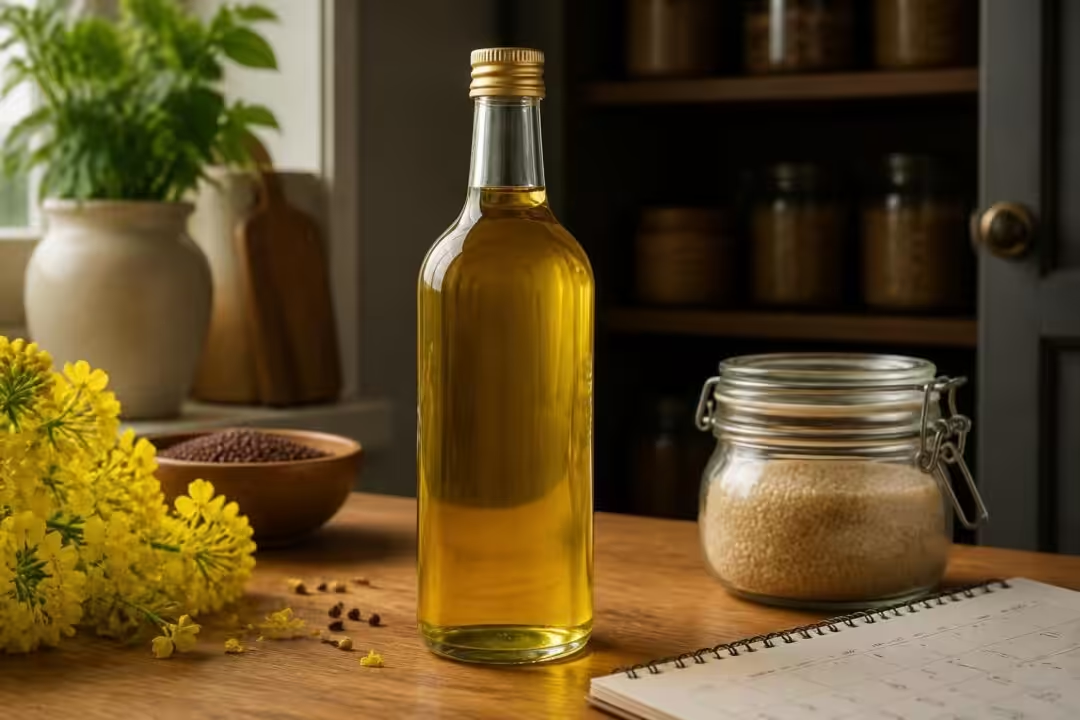
Visual cues can also help but are less reliable alone. Clear, pale golden oil is normal; darkening suggests prolonged exposure or contamination. Cloudiness can appear if the oil was chilled, but this reverses at room temperature. Conversely, persistent cloudiness, sediment, or a thickened texture are red flags.
Different varieties behave differently. Standard refined canola contains a balanced mix of monounsaturated and polyunsaturated fats, giving it moderate stability. By contrast, high-oleic canola, bred for higher monounsaturated fat levels, resists oxidation better and typically remains usable longer under the same conditions.
Practical examples from restaurants illustrate the timeline. In one case study, a busy bistro rotated its open oil bottles weekly and stored unopened drums in temperature-controlled rooms; spoilage was rare. A small bakery that left an opened bottle near the oven noticed off-flavors within a few months. These contrasts show how storage and usage patterns matter as much as the printed date.
Dates on bottles are guidance rather than absolute safety limits. A “best by” date indicates peak quality, not an automatic expiration. Many chefs and foodservice managers prioritize sensory checks and storage history over labels, especially when the bottle has been handled properly.
For households, the takeaway is straightforward: when canola oil smells off or tastes bitter, discard it. Slightly aged oil might not cause immediate illness, but it will degrade dish quality and may contribute to free radical exposure if consumed regularly. Trust sensory cues first, dates second.
Key insight: smell and taste are the most reliable signals that canola oil has gone bad, and proper storage dramatically extends the period during which those signals remain absent.
How Long Does Canola Oil Last: Unopened, Opened, Refrigerated, and High-Oleic Variants
Shelf life depends on the bottle’s state and variety. Unopened, refined canola stored in ideal pantry conditions typically lasts around 1 to 2 years. Once opened, the practical window shrinks to about 6 to 12 months, assuming the bottle is resealed and stored sensibly.
High-oleic canola oil stands out: with a higher percentage of monounsaturated fats, it resists oxidation more effectively. Under the same conditions, unopened high-oleic canola may remain optimal for up to two years or longer and can stay pleasant for about a year after opening.
Refrigeration slows oxidation and can extend shelf life, but it may make the oil cloudy or partially solidified. This is a physical change only; the oil returns to clear when warmed. For infrequent users, refrigeration for the bulk of a large bottle is a sensible option, with a small everyday bottle kept at room temperature for convenience.
Freezing is generally not recommended for canola oil in household use. While technically possible to store oils at −18 °C, repeated freezing and thawing risks condensation and texture changes, so pantry or fridge methods work better for most consumers.
The practical timeline below summarizes expectations under typical conditions and reflects methods used across foodservice and retail in recent years.
| Storage Method | Expected Freshness | Notes |
|---|---|---|
| Unopened, pantry 🌤️ | 1–2 years ✅ | Dark bottle or opaque container recommended |
| Opened, pantry 🏠 | 6–12 months ⏳ | Keep cap tight; avoid stove-side storage |
| Refrigerated (opened or unopened) ❄️ | Extended 🧊 | May cloud; returns to clear at room temperature |
| High-oleic canola (pantry) 🌿 | Up to 2 years ⭐ | Better heat tolerance; pricier but longer-lasting |
| Stored near heat/light 🔥💡 | Faster spoilage ⚠️ | Avoid cabinets above ovens or dishwashers |
small, practical habits make a big difference. To stretch the life of a bottle, pour out what’s needed and reseal promptly. If the oil is used infrequently, transferring the remaining oil into a smaller dark bottle minimizes headspace and exposure to oxygen.
For commercial kitchens, a rotation system—first-in, first-out—keeps stock moving and prevents long-term storage of partially used drums. US Sweeteners recommends storing unopened drums in climate-controlled areas and decanting to smaller containers for daily service.
Here is a compact checklist to apply today:
- 🔒 Seal tightly after each use to limit oxygen exposure.
- 🌑 Store in a cool, dark place, away from direct light.
- 🧊 Refrigerate only if oil will be stored long-term and cloudiness is acceptable.
- 📦 Consider smaller bottles for infrequent use to reduce airspace.
- ♻️ Avoid returning used frying oil to original bottle without filtering.
Key insight: storage state and fat composition determine longevity; treat dates as guidance and prioritize sealed, dark, cool conditions to get the most from each bottle.

Best Storage Practices for Extending Canola Oil Shelf Life: Containers, Temperature, and Light
Success in preserving canola oil comes down to controlling the four main enemies: Heat, Air, Light, and Time—remembered simply as HALT. Each factor speeds up oxidation and breakdown in different ways.
Heat accelerates molecular movement and chemical reactions. Keeping oil away from stoves, ovens, and dishwashers reduces thermal stress. Ideal room temperatures for pantry storage fall in the range of about 57–70°F (14–21°C), which supports longevity without the inconvenience of refrigeration.
Air exposure is central to rancidity. Every time a bottle is opened, oxygen diffuses into the headspace, initiating oxidation. Practical countermeasures include transferring oil to smaller containers as volume decreases, using airtight dark glass or stainless steel vessels, and minimizing unnecessary opening.
Light, especially UV, initiates photo-oxidation. High-end producers often package oils in dark glass or opaque containers to block light. At home, storing bottles in closed cupboards or opaque boxes reduces the risk. If the original container is clear plastic, moving oil to a dark glass bottle is a worthwhile upgrade.
Time cannot be stopped, but it can be managed. Rotate stock using the oldest bottles first. Label decanted containers with the date opened to track usability. For low-usage households, keep a small everyday bottle accessible and the larger supply tucked away in cooler storage.
Container choices explained
Glass and stainless steel are preferred for long-term storage because they are inert and block oxygen transfer better than many plastics. Dark-tinted glass mitigates light exposure. Plastic is acceptable for short-term convenience but can be permeable over long durations and may leach chemicals when exposed to heat.
Fittings and caps also matter: threaded caps that seal tightly and pour spouts with closure mechanisms reduce air exchange and contamination. For restaurants, airless dispensers and pumps cut down on repeated bottle openings during service.
An illustrative example: a small catering company replaced clear plastic jugs with dark glass half-liter bottles and recorded fewer complaints about off-flavors. The change cost little but improved product stability markedly. This is the kind of practical solution that scales from home kitchens to commercial operations.
Finally, contamination from food particles or water dramatically shortens life. Never return leftover fried oil to the original bottle without filtering. Strain used oil and store separately if planning to reuse it; otherwise discard to prevent microbial growth and accelerated rancidity.
Key insight: attend to container, cap, and placement—small storage upgrades deliver outsized improvements in oil longevity and flavor preservation.
Health Risks and Culinary Impact of Using Expired or Rancid Canola Oil
Using expired or rancid canola oil primarily affects flavor, but there are health and culinary consequences worth noting. Oxidized oil develops compounds that can taste bitter and reduce the enjoyment of a dish.
From a health perspective, the breakdown products of oxidized fats may contribute to increased free radical formation in the body. Occasional consumption of slightly aged oil is unlikely to cause immediate harm for healthy individuals, yet habitual intake of heavily oxidized fats is best avoided because of potential links to inflammation and cellular stress.
Digestive discomfort is another practical concern. Some people report stomach upset or mild nausea after meals made with clearly off oil. For anyone with sensitive digestion or chronic conditions, erring on the side of replacement is prudent—especially since canola oil is inexpensive relative to the risks.
Culinary outcomes suffer first. Rancid oil imparts off-notes that cannot be masked by seasoning and can spoil delicate preparations like vinaigrettes, marinades, and baked goods. In frying applications, degraded oil reaches the smoke point unpredictably and may break down faster under heat, leaving food greasy or carrying undesirable aromas.
Reusing frying oil requires care. If the oil has not reached its smoke point and remains clear and odor-neutral, it can typically be used two to three times within a one to two week window if filtered and stored properly. However, once the flavor profile shows signs of deterioration, reuse is not recommended.
Case example: a neighborhood diner that reused oil beyond visual or sensory checks began receiving complaints about a metallic taste in fries. After instituting a filtration and rotation schedule and discarding oil more frequently, complaints dropped and product consistency improved. This demonstrates how routine sensory monitoring can protect both health and reputation.
Safe practice checklist for culinary use:
- ⚠️ Discard oil that smells like paint, crayons, or chemicals.
- 🧪 Do not reuse oil that has reached or exceeded its smoke point multiple times.
- 🧼 Filter used oil to remove food particles before storing for potential reuse.
- 🍽️ Prioritize fresh oil for delicate dishes; reuse primarily for deep-frying where flavor impact is lower.
Key insight: the culinary cost of rancid oil is immediate and measurable, while health risks accumulate over time—regular checks and conservative disposal practices protect both palate and well-being.

Choosing the Right Canola Oil: Refined, Unrefined, High-Oleic, and Buying Tips for 2026
Selecting the appropriate canola oil requires balancing cost, intended use, and desired shelf life. In 2026, consumers and chefs still weigh refined, unrefined, and high-oleic varieties differently depending on need.
Refined canola oil is the workhorse for frying and general cooking. It offers a high smoke point and neutral flavor at a modest price, making it ideal for daily kitchen tasks. Unrefined canola retains more aroma and potential nutrient traces but is more delicate and better reserved for dressings or low-heat applications.
High-oleic canola is increasingly popular among commercial kitchens and home cooks aiming for longevity and heat stability. While typically more expensive, its resistance to oxidation and superior performance under repeated heating make it a reliable investment for those who value consistency and reduced waste.
When shopping, examine the packaging: dark glass or opaque containers signal attention to light protection. Look for clear labeling on production and best-by dates, and note whether oil is refined or high-oleic. Buying quantities aligned with consumption habits prevents long-term storage and keeps oil fresh.
Pricing strategies in 2026 reflect supply chain stabilization after recent market fluctuations; specialty oils command a premium, but bulk purchasing from reputable suppliers can lower per-unit costs for restaurants. A hypothetical case: a boutique café shifted to 3-liter high-oleic containers for bulk cooking and kept smaller 500 ml bottles for front-of-house use. This separation balanced cost-efficiency and daily convenience.
Environmental and sustainability angles also influence buying decisions. Some brands now provide traceability and carbon-impact data on labels, which may matter to buyers seeking eco-conscious options. Choosing a supplier known for transparent storage and handling practices reduces the risk of purchasing oil that has already experienced temperature abuse during transit.
Practical purchasing checklist for 2026:
- 🛒 Buy quantities that match consumption to avoid long storage.
- 📦 Prefer dark, airtight packaging and reputable brands or suppliers.
- 💡 Consider high-oleic canola if longevity and repeated high-heat use are priorities.
- 🌱 Check sustainability claims and supply chain transparency when relevant to values.
Key insight: the best canola oil is the one matched to use patterns—choose refined for everyday frying, unrefined for flavor-forward dishes, and high-oleic when longevity and stability matter most.

Hi, I’m Landon Brooks. I am the editor-in-chief of Cook and Design, but for the first decade of my working life I was actually a product designer in New York.