| Sections / What to expect 📚 | Key takeaways / What to remember ✅ |
|---|---|
|
|
The Cook and Design editorial team places equal weight on taste and visual order — these Vietnamese Caramelized Pork Bowls land on both counts. They are fast enough for a weeknight, flexible enough for the pantry, and designed to look composed in a shallow ceramic bowl. Across the following sections, a recurring character, Mai, a Brooklyn-based product designer turned home cook, illustrates how a designerly approach to ingredients and timing turns a quick recipe into a repeatable habit.
Quick Vietnamese Caramelized Pork Bowl Recipe: fast, balanced, and bowl-ready
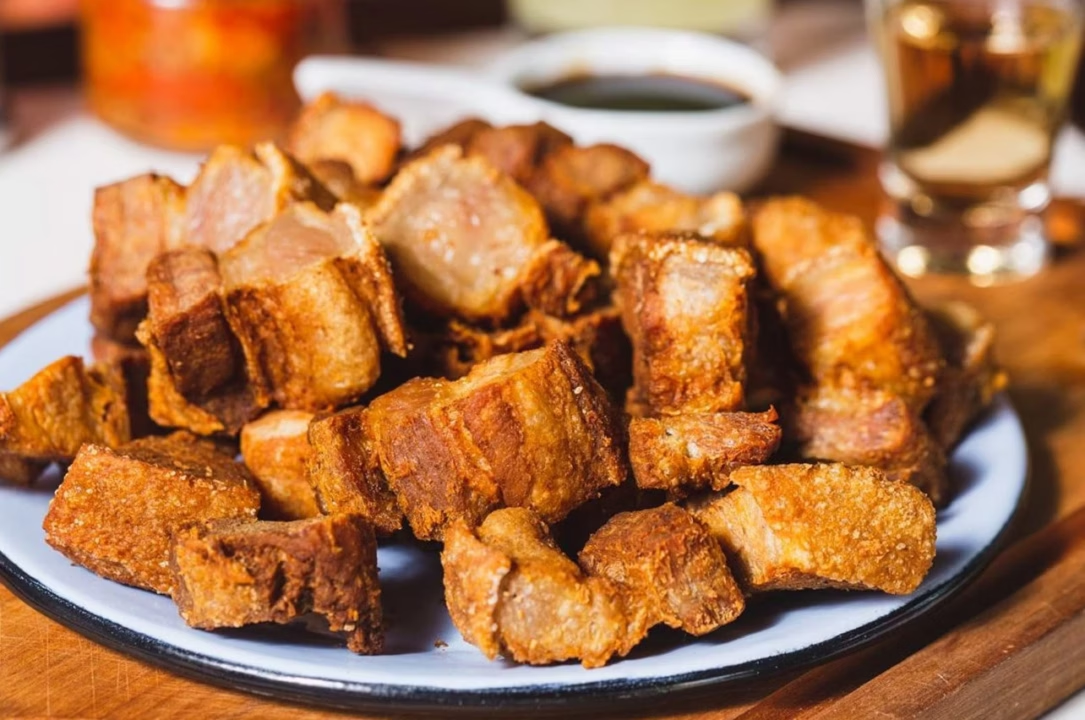
This section provides a clear, executable method for building Vietnamese Caramelized Pork Bowls that read clean on the plate and sing on the tongue. The recipe centers on ground pork shoulder for its balance of fat and flavor, but the method is intentionally protein-agnostic so swaps with ground beef, turkey, or chicken remain straightforward.
Ingredients and mise en place
Keep ingredients simple and intentionally ordered. The essential elements are ground pork, neutral oil for high heat, fresh aromatics (ginger, garlic, shallot), a fresh red chili for lift, brown sugar, and a good Vietnamese fish sauce. Finish with lime zest and scallions for contrast. Quantities in a standard home batch: roughly 1 lb ground pork, 1–1.5 tbsp oil, 2–3 tbsp brown sugar, 2–3 tbsp fish sauce, 1 tbsp minced ginger, 3 cloves garlic, 2 shallots, 1 red chili, zest and juice from 1 lime, and 2 scallions for garnish.
Step-by-step cooking sequence
Heat a heavy skillet until very hot, then add 1½ tablespoons of neutral oil. Add the pork and resist stirring: undisturbed contact creates browned bits that become flavor anchors. After about 4 minutes the pork will have golden edges; drain gently in a colander to remove excess liquid. Return the pan to heat and add another small splash of oil, then sauté sliced shallots until soft, add ginger and chili, and finish with garlic for 15 seconds.
Return the pork, add fish sauce and brown sugar, and let the mixture sit without stirring for 1–2 minutes to allow sugars to melt and caramelize. Scraping the pan at intervals pulls up those browned fond pieces and folds them into the sauce. Finish with lime zest and juice, toss in scallions, and serve immediately.
Presentation notes
Serve over steaming jasmine rice in a shallow bowl to catch the glossy sauce. For contrast, add a spoonful of quick-pickled carrots and daikon or bright cucumber ribbons. For a casual option, place the pork in crisp lettuce leaves for hands-on eating. Key presentation tip: reserve a little scallion and lime wedge to place on top at service — these small accents visually suggest freshness and acidity.
Key sentence: The recipe’s clarity — high heat, a short undisturbed caramel step, and a bright lime finish — is what makes this bowl fast, forgiving, and reliably bowl-ready.
How to achieve perfect caramelization for Vietnamese pork bowls: heat, moisture control, and timing
Caramelization is the technical heart of these bowls. It converts simple pantry ingredients into a glossy, savory-sweet coating that clings to each morsel of pork. The process is about controlling surface moisture, using sufficient heat, and timing the addition of sugar and fish sauce so they interact with the meat rather than steam it. This section unpacks each variable with practical demonstrations and a fictional case study featuring Mai.
Why moisture is the enemy of caramelization
When the meat releases water, that steam must evaporate before the surface temperature can climb above 212°F (100°C) and allow sugars to caramelize. In practice, that means the initial sear must be long enough to create crust before too much liquid pools. Mai learned this the first time by crowding the pan; the result was a grey, steamed texture rather than glossy strands of pork. The corrective steps are simple: cook in a hot pan, avoid overcrowding, and drain rendered liquid if necessary.
Heat management and pan choice
A heavy-bottomed skillet — cast iron or thick stainless steel — retains heat better than thin pans. Preheat for a few minutes; the oil should shimmer but not smoke. Add the pork, press lightly to increase contact, then wait. After the protein has set, a quick toss and a turn will reveal a golden brown surface. If the pan is too cool, the sugars will leach into the juices rather than forming a glaze.
Timing additions for a glossy finish
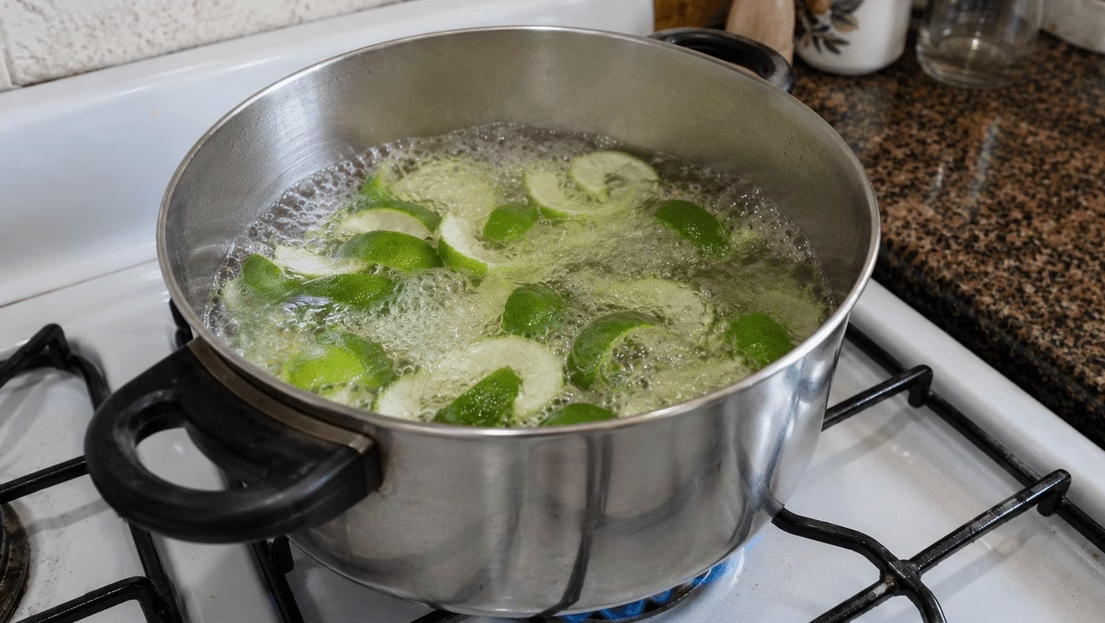
Add the fish sauce and brown sugar only once most of the liquid has evaporated. The fish sauce adds umami and liquid, so adding it too early can create steam. The brown sugar, once in contact with a hot pan and exposed meat, melts and browns quickly; letting it sit for a minute or two without stirring helps form pockets of deeper caramelization. A final handful of scallions and a squeeze of lime brighten and cut through the sweetness at service.
Example technique: in a test run, reducing initial oil by half and increasing pan heat created faster evaporation and a better-fused glaze, demonstrating that small adjustments cascade into large texture changes. Observing the pan and smelling the aromatics are reliable cues: when the sugar aroma shifts from purely sweet to caramel-like and the fond loosens, it’s time to finish.
Key sentence: Controlling moisture, preserving high surface heat, and timing the sugar and fish sauce additions are the three practical levers for perfect caramelization every time.
Make-ahead and meal-prep strategies for Vietnamese Caramelized Pork Bowls
These bowls are built for the week: components separate neatly for refrigerator storage and reheat with minimal loss of texture. This section outlines a pragmatic workflow to assemble weekday dinners in under 20 minutes using partial prep and smart storage. The narrative follows Mai as she preps ingredients on a Sunday evening to simplify weeknight service.
Task batching — what to prep and when
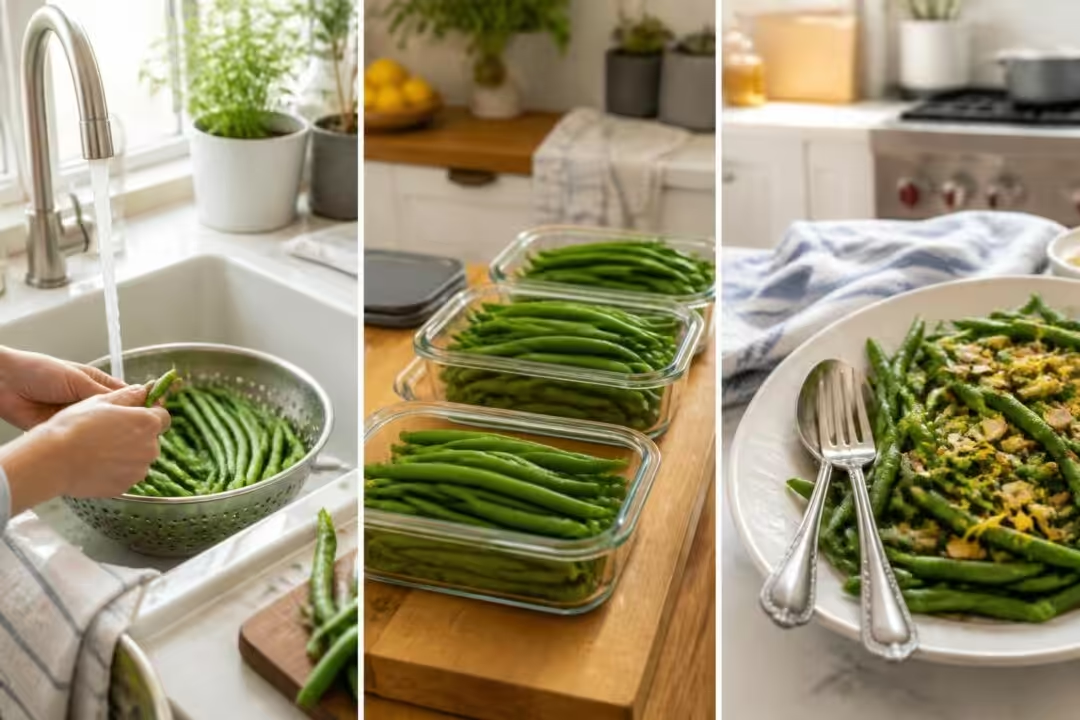
Batch tasks that benefit from separation. Brown and drain the pork up to 24 hours ahead and cool it in a single layer to keep edges crisp. Aromatics like shallots, ginger, and scallions can be prepped and stored for 2–3 days; keep lime zest and juice separate to preserve brightness. A tossed quick pickle of carrots and daikon made with rice vinegar, sugar, and a pinch of salt will last the week and adds a fast-acid counterpoint to the rich pork.
Fridge, freezer, and reheating best practices
Store cooked pork in an airtight container for up to 3–4 days. For longer storage, freeze in portioned, vacuum-sealed or tightly packed containers for up to 2–3 months. Reheat gently: a skillet over medium-low with a splash of water or broth prevents dryness and revives the sauce; microwaving works for convenience but adding moisture is still advised. Keep rice separate when possible to maintain a pleasing texture.
Batch menu examples for a weeknight rotation
Here are practical weekly pairings that reuse the caramelized pork across different plates:
- 🍚 Bowl night: pork over jasmine rice with quick-pickles and cucumber ribbons.
- 🥬 Wrap night: lettuce cups with crushed peanuts and herbs for a hands-on meal.
- 🍜 Noodle night: toss pork with warmed rice noodles and fresh basil.
- 🥗 Salad night: warm pork atop a bed of mixed greens, shredded carrots, and a lime-fish dressing.
Packing note: when assembling lunches, place pickles and fresh herbs in separate small containers to avoid sogginess. This system keeps textures crisp and flavors bright throughout the week.
Key sentence: Thoughtful division of tasks — browning ahead, preserving fresh acids, and reheating with moisture — converts this bowl into a reliable, design-forward weekday staple.
Pairings, plating, and variations for Vietnamese Caramelized Pork Bowls
Beyond the core recipe, this section explores side dishes, plating techniques, and variations that keep the concept fresh. The goal is to help cooks compose a visually balanced plate and to provide substitutions for dietary needs while retaining the dish’s characteristic sweet-salty-tang profile.
What to serve with the bowls
Classic companions include steamed jasmine rice and a crisp cucumber salad with rice vinegar. For texture contrast, add pickled carrots and daikon or crushed peanuts. Leafy greens like sautéed bok choy offer a mildly bitter counterpoint. For a playful touch, present the pork in lettuce cups with herbs and chilies at the table for interactive service.
Substitutions and protein swaps
Ground pork shoulder is the recommended starting point; for leaner options, the recipe translates directly to ground turkey or chicken with an adjustment in cooking time and the possible addition of a little oil to compensate for lower fat content. Ground beef works, too, producing a heartier bowl. For vegetarian adaptations, crumbled tofu or tempeh can be browned and caramelized — press tofu to remove moisture and consider a splash of tamari to replace fish sauce.
Creative variations and finishing ideas
Consider adding Thai basil or cilantro at service for aromatic lift. A splash of orange juice with the lime gives a brighter, fruit-forward finish. For more heat, swap the fresh red chili for chopped jalapeño or a drizzle of chili-garlic sauce at the end. To elevate texture, finish with toasted sesame seeds or crushed peanuts. Each of these small edits shifts the bowl’s personality while keeping the core technique intact.
| Variation 🍽️ | Main swap 🔁 | Visual/Flavor effect 🎨 |
|---|---|---|
| Lean Weeknight 🥗 | Ground turkey | Cleaner flavor, lighter mouthfeel |
| Vegetarian 🌱 | Crumbled tofu or tempeh | Soft interior, needs pressed tofu for crispness |
| Spicy 🔥 | Jalapeño or chili-garlic sauce | Eye-catching red flecks, assertive heat |
Key sentence: Small, considered swaps and finishes allow the caramelized pork bowl to inhabit many menus — from light and green to rich and noodle-forward — while preserving the recipe’s designed simplicity.

Hi, I’m Landon Brooks. I am the editor-in-chief of Cook and Design, but for the first decade of my working life I was actually a product designer in New York.