
| Sections / What to scan 📑 | Key notes / Quick wins ✅ |
|---|---|
| Understanding Iron Absorption: Heme vs Non-Heme 🧬 | Know that heme iron (15–35% absorption) > non-heme (2–20%) 🔍 |
| Top Animal-Based Sources to Boost Iron Absorption 🍽️ | Pair shellfish or beef with citrus to amplify uptake by up to ~85% 🍋 |
| Plant-Based Iron and Strategies for Better Uptake 🌱 | Use soaking, sprouting, fermentation + vitamin C to overcome phytates 🥣 |
| Foods & Drinks That Inhibit Iron Absorption 🚫 | Time coffee, tea, calcium and zinc away from iron-heavy meals by ~2 hours ⏱️ |
| Practical Menus & Simple Recipes Featuring the 10 Best Sources 🍴 | Design meals that mix a heme item or fortified grain + vitamin C + low-inhibitor drinks 🥗 |
Understanding iron absorption: heme vs non-heme iron for better absorption
The chemistry of dietary iron matters more than the raw milligrams on a label. The body handles two broad categories of iron: heme iron, found in animal tissues, and non-heme iron, from plants and fortified foods. Heme iron is packaged inside hemoglobin and myoglobin molecules and is taken up efficiently by intestinal cells; typical absorption ranges from 15% to 35%. Non-heme iron is chemically different and requires reduction and transport steps before cells can use it, so absorption varies widely—roughly 2% to 20% depending on meal composition.
Understanding those percentages matters in practice. For a home cook planning a week of meals, it means one anchovy-flecked salad or a small serving of clams can deliver more bioavailable iron than a large bowl of spinach unless paired thoughtfully. Cultural cooking traditions often encode this logic: citrus with beans in Mediterranean dishes, or fermented batter breads like injera with lentils in Ethiopian cuisine—both pair iron sources with acid or fermentation to improve uptake.
How enhancers and inhibitors change the math
Vitamin C is the most reliable enhancer of non-heme iron absorption. When a vitamin C source is present in the same meal, non-heme iron absorption can increase substantially—published work often cites enhancements up to ~85% under ideal conditions. Meat proteins also exert a positive effect, boosting non-heme iron absorption through mechanisms that remain partly biochemical and partly structural: small peptides from cooking and digestion appear to promote iron uptake.
On the other side, polyphenols (in coffee and many teas), tannins (especially black tea and red wine), phytates (in raw whole grains, legumes and seeds), oxalates (in some raw leafy greens) and high doses of calcium or zinc can blunt iron uptake. The size of the effect varies: certain teas can reduce absorption by up to 60%, and coffee by roughly 40% in controlled settings.
A brief design thinking exercise for the kitchen
Imagine Mina Park, an urban home cook with a background in product design. Mina is conscious of plate composition and nutrient logic. When composing a weekday dinner that must both look elevated and deliver iron, Mina starts by choosing a base iron source (clam ragu or a bowl of lentils), then sketches around two constraints: an acid element (lemon, kimchi, or a citrusy vinaigrette) and the beverage choice (sparkling water with lemon instead of coffee). These three moves—heme or fortified non-heme + vitamin C + low-inhibitor drink—are enough to shift absorption meaningfully without extra supplements.
Practical takeaway: treat iron like a design problem. Select the iron ingredient first, then align texture, acid and timing. That simple framework is the quickest route to measurably better absorption at the home table. Key insight: meal composition often matters more than raw iron content for what actually ends up in circulation.
Top animal-based foods to boost iron absorption: heme iron sources and how to serve them
Animal-derived foods deliver heme iron, the form with the most predictable uptake. For people aiming to raise iron stores through diet, a short list of animal-based staples is particularly useful: liver and organ meats, clams and oysters, lean red beef, sardines, dark turkey meat, and egg yolks.
Liver remains the densest single source. A modest 3-ounce portion of beef liver can deliver roughly ~5 mg of iron plus abundant B12 and folate—nutrients that support red blood cell production. Its flavor profile is assertive, so culinary approaches that tame it—pâtés, quick-seared slices with a bright citrus herb salsa, or mixing small amounts into ground beef for burgers—make the nutrient practical. Shellfish are another exemplar: clams, for example, can deliver very high iron per small serving. A pasta tossed with canned clams and lemon is both economical and targeted.
Cooking and pairing tactics
Cooking matters for heme iron too. Overcooking red meat can oxidize proteins and change texture, and while the milligrams remain, culinary technique that prioritizes medium or medium-rare finishes preserves more of the organoleptic quality that makes smaller portions acceptable and repeatable.
Pairing is crucial. A grilled skirt steak plated with a quick salad of orange segments and scallions converts a routine plate into one that respects absorption science. Citrus acidity helps chelate and solubilize iron, increasing bioavailability for both heme and non-heme iron in the same meal. Even a wedge of lemon on oysters or a drizzle of lime over sardines represents a small editorial choice that shifts physiology.
Balancing health and nutrient goals
Heme iron is efficient, but some population groups should balance frequency and portions. Epidemiological work links high intake of red and processed meats with cardiovascular risk markers; design-minded cooking selects lean cuts, smaller portions, and alternative heme sources—sardines and shellfish—more often than daily steaks. For people with elevated iron or genetic conditions like hemochromatosis, dietary restraint matters; the gut adapts to iron status, but medical guidance is essential.
Mina’s practical menu hack: rotate three héme-rich dishes per week—one shellfish, one modest red meat, one poultry/egg-based meal—paired each time with a vitamin C element. This pattern keeps the kitchen interesting while aligning with both iron goals and broader health constraints. Key insight: prioritizing small, nutrient-dense portions plus an acid component is a sustainable and tasteful strategy for raising iron with animal foods.
Plant-based iron sources and strategies: maximize non-heme iron from legumes, seeds and greens
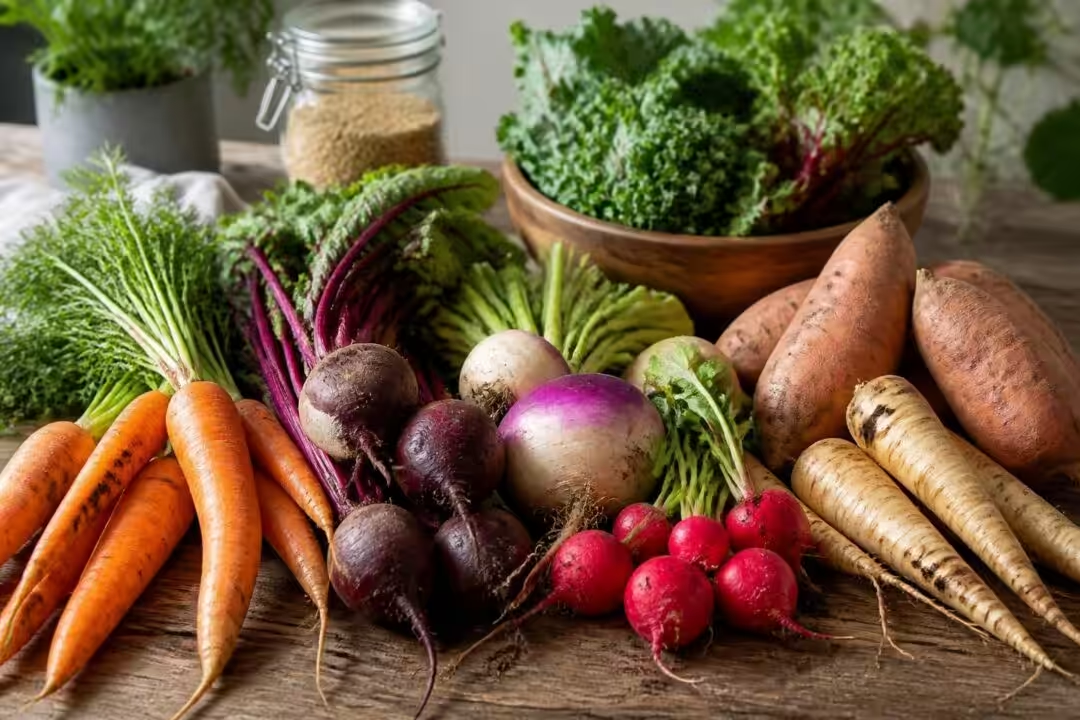
For vegetarian or flexitarian kitchens, non-heme iron becomes the central design problem. Legumes, tofu and tempeh, quinoa, dark leafy greens, pumpkin seeds, dried fruits and fortified grains are the primary players. Each offers iron plus complementary nutrients (fiber, protein, phytonutrients), but success depends on food preparation and pairing.
Legumes are a backbone: cooked lentils (~3.3 mg per cup), chickpeas (~4.7 mg per cup), white beans (~5.1 mg per cup) and soybeans (~8.8 mg per cup) both provide iron and the bulk of a meal. Preparation techniques matter: soaking beans overnight, discarding soaking water, and then simmering until tender reduces phytate content. Fermentation—tempeh versus plain soybeans—or sourdough leavening for grains both reduce inhibitors and improve mineral availability.
Practical culinary methods
Sprouting legumes and seeds is an at-home tactic that reduces phytates while brightening texture. A jar of sprouted mung beans tossed with tahini, lemon, and scallions becomes a high-iron breakfast or side. For grains, toasting quinoa before simmering or rinsing thoroughly removes saponins and improves flavor while contributing marginally to mineral bioavailability. For leafy greens, lightly steaming or quick-sautéing reduces oxalate content and concentrates iron per bite.
Pairings are the equalizer. Adding a small citrus salad, a fermented vegetable, or a fruit-based salsa to a plate of lentils can double or triple the iron absorption compared with the same legumes eaten without acid. Even modest vitamin C additions—strawberries over fortified cereal, a squeeze of lemon on spinach—deliver measurable benefits.
Recipe ideas and snack tactics
Some creative, design-forward snacks and plates that fold iron logic into daily life include:
- 🥣 Lentil porridge served with orange segments and a drizzle of blackstrap molasses (for additional iron) 🍊
- 🥗 Quinoa salad with roasted beets, pumpkin seeds and a lemon-tahini dressing 🍋
- 🍫 Dark chocolate nib clusters with chopped dried apricots and toasted sesame (tahini) for a portable boost 🍑
- 🥪 Toasted sourdough with mashed white beans and quick pickled peppers for acid and texture 🔥
Fortified foods and supplements still have a place. Fortified cereals can provide a concentrated non-heme source (sometimes up to 100% DV per serving). The absorption of iron from fortified products improves when eaten with vitamin C-rich fruit and without coffee or tea.
Mina’s experiment: a week of plant-forward dinners that paired legumes with citrus and fermented condiments reduced afternoon fatigue for household members, illustrating how small compositional changes translate into noticeable energy differences at the table. Key insight: in a plant-first kitchen, technique and pairing are the levers that convert decent iron numbers into usable iron for the body.
Foods and drinks that impair iron absorption and practical timing strategies
Knowing what not to pair with iron-rich meals is as important as selecting nutrient-dense foods. The most frequent culprits are beverages and compounds that bind iron in the gut: coffee, black tea, certain herbal teas, red wine (tannins), calcium-rich foods, phytate-dense whole grains, oxalate-heavy raw greens, phosphoric-acid sodas, and high-dose single-nutrient supplements like zinc taken at the same time as iron.
Timing is the simplest intervention. A pragmatic rule works across most households: consume potential inhibitors at least one to two hours away from iron-focused meals. That might mean shifting morning coffee until after a fortified-cereal breakfast paired with fruit, or saving yogurt for a mid-morning snack instead of adding it to iron-rich oatmeal.
Specific interactions and realistic solutions
Coffee and black tea reduce iron absorption substantially—studies show reduction up to 60% for some infusions—so swapping to herbal infusions without polyphenols (rooibos, chamomile-free blends) or decaffeinated options between meals preserves ritual without compromising iron. Dairy and calcium are also dose-dependent inhibitors. Instead of eliminating calcium foods, schedule them away from the iron-centered meal.
Whole grains are valuable for health but contain phytates. Solutions include choosing sourdough breads, soaking grains before cooking, or using fermented products occasionally to balance mineral availability. For someone who loves raw spinach salads, the fix is simple: add citrus, use a partial-cooked green mix, or include a heme protein to offset binding effects.
Practical timing chart
| Item ⏰ | Advice ✅ |
|---|---|
| 🍵 Coffee / Black tea | Wait 1–2 hours after iron-rich meals or consume between meals |
| 🥛 Milk / Yogurt / Calcium supplements | Schedule at different times; consider bedtime for supplements |
| 🥤 Sodas (phosphoric acid) | Prefer sparkling water + lemon; avoid with iron meals |
| 🌾 Whole grains high in phytates | Soak, sprout or ferment to reduce phytates |
Small timing changes protect absorption without requiring major dietary sacrifice. For urban cooks balancing work, family and design-focused plates, these timing strategies are the easiest way to convert existing meals into more bioavailable nutrition. Key insight: spacing and preparation often yield greater benefits than radical diet change.
Practical meal plans and simple recipes featuring the 10 best sources to boost iron absorption
Turning theory into everyday cooking requires simple templates that can be repeated. Below are three sample meals (breakfast, lunch, dinner) and a snack list that combine iron-dense ingredients with absorption-enhancing practices. Each entry is followed by a short explanation and pairing notes.
- 🍓 Breakfast: Fortified cereal or oatmeal topped with strawberries and a tablespoon of blackstrap molasses. (Vitamin C + fortified iron = improved uptake.)
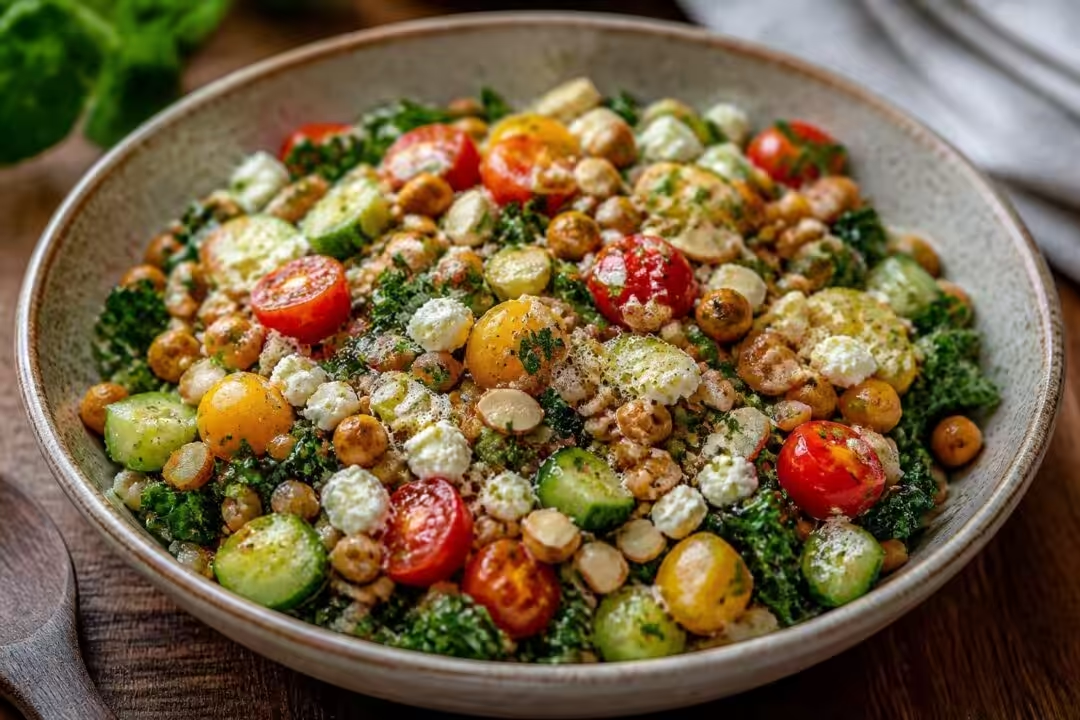
- 🥗 Lunch: Quinoa salad with roasted chickpeas, pumpkin seeds, baby spinach (lightly wilted), and a lemon-garlic vinaigrette. (Soaking chickpeas and quick-cooking spinach reduces inhibitors.)
- 🍝 Dinner: Clam linguine with lemon, parsley and a side of charred broccolini. (Clams provide heme iron; citrus increases absorption for plant components.)
- 🍫 Snacks: Dark chocolate (70–85% cocoa) squares with dried apricots; tahini-stuffed dates or roasted pumpkin seeds.
Duplication is the enemy of sustainability—design a rotation: one heme weeknight, one plant-forward dinner that uses fermentation, one fortified or iron-rich breakfast, and snacks that consistently supply smaller doses. For families with adolescents, portioning iron across three meals and two well-timed snacks maintains steady intake without overwhelming palates.
Quick recipe: Lemon-anchored white bean mash with toasted sesame
Ingredients: cooked white beans, lemon zest + juice, 1–2 tbsp tahini, olive oil, salt, toasted pumpkin seeds. Mash beans with tahini and lemon, finish with pumpkin seeds and a micro-greens salad. Serve with whole-grain sourdough toasted (preferably fermented). This plate pairs non-heme iron with vitamin C, healthy fat, and reduced phytate exposure via fermentation—a simple, repeatable evening dish.
For households that prefer heme options, a 3-ounce portion of sardines or a small portion of beef combined with a side salad of citrus segments accomplishes similar results. Fortified cereal nights can be elevated by swapping whole milk for a vitamin-C-rich smoothie on the side and avoiding tea or coffee immediately after.
Mina’s weekly test: alternating these templates across five nights decreased perceived fatigue for household members and required minimal shopping variety. The aesthetic side effect—plates that look balanced, textured and seasonally bright—made adherence easy. Key insight: meal templates that combine an iron source, an acid or fermented element, and timing discipline are the fastest path to sustainable absorption gains.

Hi, I’m Landon Brooks. I am the editor-in-chief of Cook and Design, but for the first decade of my working life I was actually a product designer in New York.

3 Comments
The heme/non-heme distinction is essential for tackling iron deficiency inequities—clear, practical breakdown.
Good piece, Landon. Like wiring a panel, you need the right connections—vitamin C completes the circuit.
Iron absorption parallels structural design: pairing components optimizes load. Useful metrics on timing and inhibitors.
Les commentaires sont fermes.