
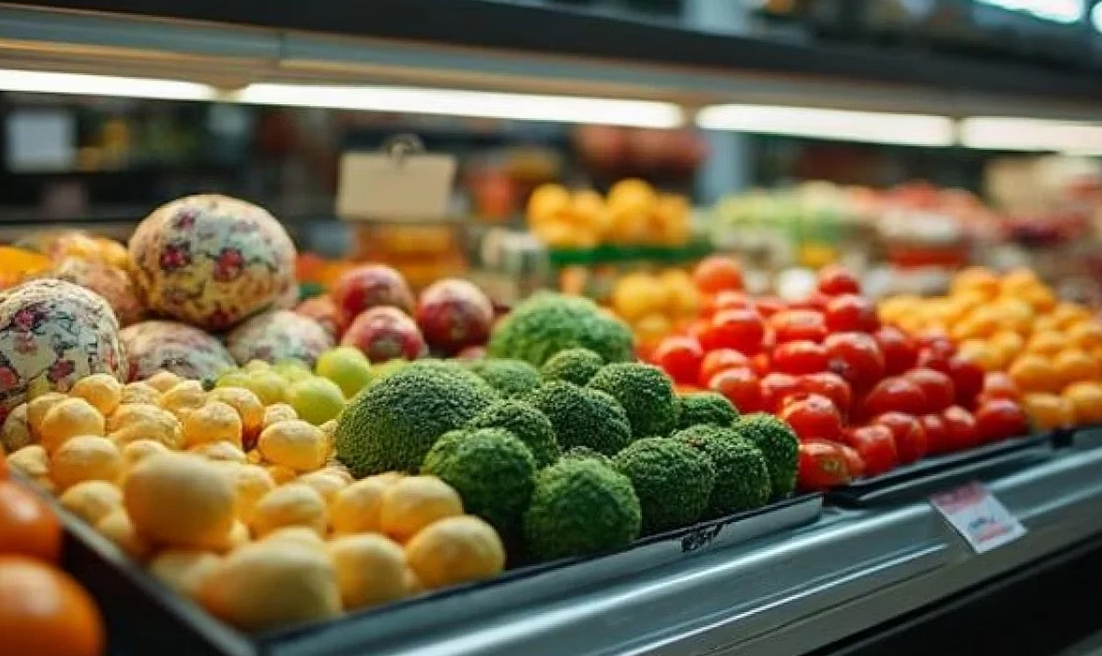
The frozen foods aisle has quietly become the most interesting department in the modern supermarket. What once meant neon-lit TV dinners and flavorless vegetables has evolved into a landscape of flash-frozen wild salmon, sprouted grain bread, and berry blends harvested at peak ripeness. In 2026, with grocery prices fluctuating and schedules stretched thin, the freezer section offers a genuinely practical answer to the eternal question of how to eat well without spending hours in the kitchen.
Registered dietitians are increasingly vocal about the benefits of a well-stocked freezer. “A well-stocked freezer can be your key to consistently creating healthy meals in a pinch,” says Amy Davis, RDN, founder of Amy Davis Nutrition. Between affordability, longevity, and nutritional value, frozen foods support healthy eating in ways that fresh ingredients often cannot match. The key is learning to separate the truly nutritious frozen foods from those that merely wear a healthy disguise.
What Makes Frozen Food More or Less Healthy?
The first thing to understand is that frozen food is technically processed food. It has left its natural, unadulterated state. But processing exists on a spectrum, and flash-frozen vegetables are a world apart from ultra-processed entrées loaded with stabilizers and artificial flavors. Recognizing that difference is the foundation of smarter grocery shopping in the freezer aisle.
Start with the nutrition facts panel. “To make the best choices in the frozen aisle, start by reading the nutrition facts label,” advises Kayla Farrell, RDN, senior account executive at FRESH Communications. The benchmarks are clear: keep sodium under 250 milligrams per serving for meal components and 650 milligrams for entire meals. Saturated fat should stay below 5 grams per serving for components and 10 grams for full meals. Added sugar should not exceed 10 grams, no matter the product.
These numbers matter because the long-term effects accumulate quietly. Excessive sodium raises blood pressure, high saturated fat intake affects cholesterol levels, and added sugars promote low-grade inflammation throughout the body. Over time, these factors contribute to heart disease, type 2 diabetes, and chronic kidney disease. The inverse also holds true: choosing products rich in fiber, protein, and unsaturated fats actively supports a balanced diet.
The ingredients list deserves equal attention. “They should typically have a low number of ingredients, especially with whole food options like proteins and produce. Avoid less healthy options that contain high levels of added sugar and artificial preservatives, colors, sweeteners, and flavors,” Davis explains. A serviceable rule of thumb applies here: if an ingredient cannot be pronounced or recognized, it does not belong in a shopping cart.
7 Nutritious Frozen Foods Backed by Expert Advice
With those criteria in hand, seven categories consistently rise to the top. These are the frozen staples that dietitians themselves keep on hand for fast, nourishing meals — the kinds of products that make meal prep feel effortless.
Lean Proteins Frozen at Peak Freshness
Fresh seafood and poultry have become budget-sensitive purchases, but the frozen aisle levels the playing field. “High-quality frozen protein, like fish filets, is a great value and can be convenient to keep on hand for a quick weeknight dinner,” says Farrell. Because these proteins are typically frozen at their freshest moment, their nutritional profile mirrors that of their fresh counterparts.
The healthiest options are lean: skin-off poultry, cuts without visible fat, and proteins free of breading or heavy sauces. The ideal label lists a single ingredient. Davis suggests individually frozen filets from most grocers, or wild Alaskan salmon ordered directly from suppliers like Sitka Seafood Market. Budget-friendly store brands, such as Trader Joe’s Branzino Fillets, deliver comparable quality without the markup.
Frozen Vegetables That Rival Fresh Produce
Frozen vegetables have been a staple of meal prep for decades, and for good reason. “Vegetables are flash-frozen at peak ripeness for great flavor and nutrient retention, including vitamins, minerals, antioxidants, and fiber,” Davis notes. They last months instead of days, cost significantly less, and nearly eliminate the guilt of watching fresh greens wilt in the refrigerator drawer.
The catch is often hidden in sauces. Buttery, creamy preparations can turn a virtuous medley into a sodium and saturated fat trap. The best picks are plain or lightly seasoned. Farrell recommends Cascadian Farm’s Organic Ready to Roast mix, combining sweet potatoes, cauliflower, and broccoli florets. Davis reaches for the popular Costco find, Pura Vida Fire Roasted Vegetable Melange, a smoky blend of Brussels sprouts, mushrooms, onions, and bell peppers. Roots Farm Fresh Sweet Potato Croutons also earn a spot, roasting beautifully in an air fryer to top grain bowls and salads.
Whole Grains Ready in Minutes
The freezer section holds an underappreciated goldmine: cooked whole grains. “Frozen whole grains like rice, quinoa, and even cauliflower ‘rice’ are underrated when it comes to saving time in the kitchen,” says Farrell. They heat in minutes and deliver fiber and complex carbohydrates to any plate, making convenience feel effortlessly aligned with wellness.
Both dietitians look for Path of Life Rice and Quinoa Blends, which incorporate vegetables and spices for a more satisfying, nutrient-dense side. For bread lovers, Food For Life’s Ezekiel Sprouted Bread offers a frozen loaf made from sprouted whole grains, perfect for toast or sandwiches. These options transform an ordinary weeknight into something approaching a home-cooked meal.
Unsweetened Frozen Fruits for Smoothies and Beyond
Frozen fruits hold their own against fresh, and for certain uses they are simply better. “Frozen berries, for example, are flash-frozen and packed at peak ripeness, offering a sweet, fiber and antioxidant-rich fruit without any added sugar,” says Davis. They blend into smoothies without needing ice, fold into yogurt bowls, and bake into cobblers all year round.
Fruit delivers fiber, vitamins, and minerals that support gut, immune, heart, and metabolic health. The only label check required is added sugar, which should read zero. Reliable brands include Earthbound Farms, Kirkland Signature Three Berry Blend, and Wyman’s — all easy to spot once the habit of reading labels becomes second nature.
Bone Broth, Best Found in the Freezer
Bone broth has earned its place in wellness routines, yet some of the best versions live in the freezer rather than the refrigerated or canned aisles. Frozen options typically contain fewer additives and preserve the collagen that makes bone broth so valued. Each serving provides protein, B vitamins, iron, zinc, and gut-supporting collagen 🦴.
The one caveat is sodium. Bonafide Provisions consistently delivers top-tier flavor and quality, though a single serving runs slightly above the general guideline. A splash of water dilutes the salt without noticeably changing the taste, keeping this warming staple comfortably within healthy boundaries.
Balanced Frozen Meals for the Nights You Can’t Cook
Not every frozen meal deserves its bad reputation. The modern freezer aisle includes component-style options like veggie burgers and falafel, plus full meals built around lean proteins, vegetables, and whole grains. “When it comes to frozen meals, look out for options higher in protein and fiber, and watch out for those high in saturated fats, sodium, and added sugars,” Farrell advises.
Kevin’s Natural Foods has emerged as a standout brand, with most of its products meeting nearly all of the strict criteria outlined earlier. For the evenings when energy runs low, these meals offer a bridge between takeout and a fully home-cooked dinner, without the guilt.
Sweet Treats That Respect Your Health Goals
The dessert aisle has evolved considerably. “Healthier options with lower amounts of added sugars are on the rise, with frozen fruit desserts still having their moment,” says Farrell. These treats lean on nutrient-dense ingredients like fruit, Greek yogurt, or a thin veil of dark chocolate 🍫.
TruFru Chocolate Covered Raspberries deliver indulgence with just six grams of added sugar per serving. Yasso Greek Yogurt bars hover around 100 calories and provide five grams of protein each. These options prove that a balanced diet can absolutely include a late-night sweet tooth without derailing progress.
Smart Grocery Shopping Tips for the Frozen Aisle
Armed with these seven categories, shoppers can approach the freezer section with genuine confidence. The following checklist distills the expert advice into actionable steps for every trip:
- 🧊 Read the ingredient list first — short and recognizable wins every time.
- 🥦 Keep sodium under 250 mg per serving for meal components and 650 mg for entire meals.
- 🥩 Choose options with less than 5 g of saturated fat for components, 10 g for whole meals.
- 🍓 Aim for less than 10 g of added sugar across all frozen products.
- 🌿 Seek out more than 5 g of fiber, protein, or unsaturated fats per serving.
- 🥛 Prefer products with any amount of vitamin D, calcium, iron, or potassium.
- 🚫 Steer clear of artificial preservatives, colors, sweeteners, and flavors.
The freezer aisle rewards those who shop with intention. In an era where time is scarce and fresh ingredients are expensive, a freezer stocked with lean proteins, vibrant vegetables, whole grains, unsweetened fruit, and thoughtfully crafted meals is not a compromise. It is a strategy for eating well, week after week.

Hi, I’m Landon Brooks. I am the editor-in-chief of Cook and Design, but for the first decade of my working life I was actually a product designer in New York.



7 Comments
The nutrition label benchmarks are practical. Would benefit from data on micronutrient retention across brands.
Flash-frozen beats fresh if you’re optimizing for time and cost—like caching.
Think of flash-frozen berries as a nutrient biobank for your immune system. Accessible, equitable nutrition for busy lives—now that’s public health.
Landon, the freezer aisle is basically a CDN for dinner. Flash-frozen = edge caching.
Flash-freezing is a thermodynamic win—preserves structure and nutrients far longer than fresh transport. The label-reading criteria here are spot on.
Landon, this freezer strategy is more coherent than our city’s last-mile delivery plan.
Freezer aisle = last-minute meal cache() returning fresh results with zero latency. Nice excuse to skip farmer’s market, Landon.
Les commentaires sont fermes.