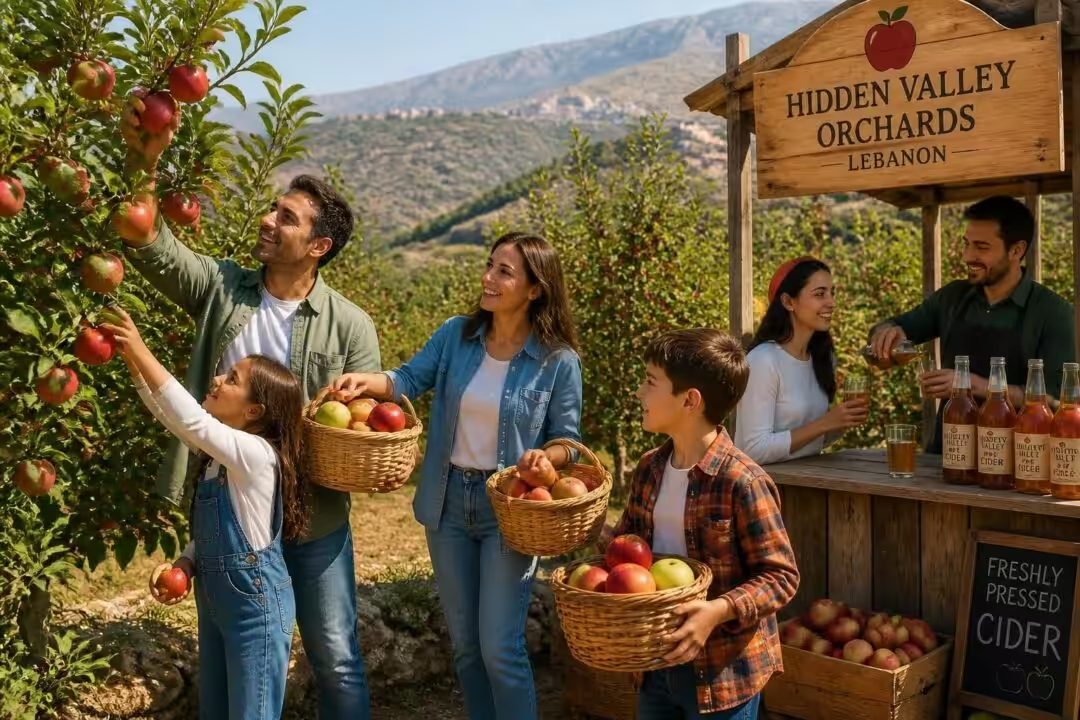
Hidden Valley Orchards in Lebanon, Ohio: Family Traditions, U-Pick Adventures, and a Working Farm Feel
Hidden Valley Orchards in Lebanon has the kind of atmosphere that instantly signals this is more than a quick stop. It reads like a living postcard of Ohio agriculture: rows of fruit trees, the hum of seasonal energy, and the steady rhythm of a place that is still a working farm while welcoming families who want a day that feels both playful and grounded 🌳.
That dual identity matters. Many destinations lean heavily into entertainment, while some farms keep visitors at arm’s length to protect production. Here, the charm comes from how seamlessly both sides coexist. Families can wander from orchard lanes to a market-style hub without feeling like they have “left” the farm. The space encourages lingering—especially when children realize they can run, explore, and get their hands a little dirty without anyone acting surprised.
To make the experience concrete, imagine a local family—call them the Carters—planning a Saturday reset. The goal is simple: a shared activity that works for toddlers, teens, and grandparents. They arrive and immediately find a rhythm: a stroll through the grounds, an easy decision to try U-pick, then a pivot to snacks when attention spans fade. That flexibility is the real superpower of a place built around self-paced traditions.
Visitors often talk about it as a destination that feels established rather than trendy, and that matches the orchard’s multi-decade presence in the region. In the Cincinnati area, where weekend options compete aggressively, the orchard’s appeal is that it doesn’t require a complex plan. It offers a structure without forcing an itinerary—pick fruit, watch kids play, shop local goods, eat something warm, and sip cider. When the day is done, there is usually one thought: this could become an annual ritual 🍎.
The location near Cincinnati also shapes the crowd. Some guests treat it as a quick drive for fresh produce and bakery items, while others turn it into a full day out. It works either way because the experience is layered: a casual visit still feels complete, while a longer stay reveals more details—seasonal set-ups, rotating attractions, and the small cues that signal the orchard is designed for repeat visits rather than one-time novelty.
There is also a cultural thread worth noticing: Midwestern fall traditions have grown into something akin to modern heritage tourism. Families look for experiences that feel “classic,” but also comfortable and photo-ready. Hidden Valley Orchards fits that moment without needing to manufacture it. The trees, barns, and open space already do the storytelling; the visitor simply steps into it. The next section turns that story into a hands-on itinerary, focusing on apple picking and what makes it satisfying for every age group.
Apple Picking Near Cincinnati at Hidden Valley Orchards: How to Plan a U-Pick Day That Actually Feels Easy
A great U-pick outing should feel like a pleasure, not a logistical puzzle. Hidden Valley Orchards has earned a reputation as one of the closest apple-picking spots to Cincinnati, and proximity is only half the win. The bigger advantage is how the experience supports families who arrive with different needs: a stroller, a grandparent who prefers flat paths, a child who wants to “find the biggest one,” and a teen who insists the trip is only worth it if there is good food afterward 🍏.
U-pick becomes more enjoyable when expectations are set. Apples can vary by season, weather, and harvest timing, so the best strategy is to approach it as a choose-your-own-adventure. Some visitors come determined to bake pies, others just want a bag of crisp fruit to snack on. The orchard experience accommodates both, because the “win” is not only the apples—it’s the time outside, the small discoveries, and the way everyone naturally slows down among the trees.
U-Pick apples as a family activity: turning “helping” into a game 🎯
Kids rarely need a lecture on agriculture; they need a mission. One effective approach is to turn picking into a playful challenge. The Carters split into teams: one group searches for the deepest red apples, another hunts for “the most perfectly round,” and a third looks for apples that smell the strongest. Suddenly, children who normally fidget in stores are focused, comparing, debating, and learning without noticing they are learning.
For adults, the same activity becomes sensory therapy. The sound of leaves, the slight resistance of stems, the satisfaction of filling a bag—it hits a different register than typical weekend errands. It also invites practical conversations: what will be baked, what will be pressed, what can be sliced for lunches. This is where a chef-minded lens shines: the orchard is a pantry you can walk through.
What to bring, what to skip, and how to stay comfortable
Comfort determines whether apple picking feels charming or exhausting. Closed-toe shoes are a quiet hero, especially when ground conditions change after rain. Water is a must, but there is no need to overpack; the orchard’s market-style setup supports visitors who want to buy snacks instead of hauling coolers. The goal is to keep hands free for picking and tasting.
Families who plan a longer stay often do best with a simple rhythm: pick first while energy is high, then transition into food and play. That sequence prevents the common mistake of filling the day with treats first, only to realize later that everyone is too sticky and tired for the orchard lanes.
Practical U-Pick checklist (kept intentionally simple):
- 🍎 A reusable bag or basket (if allowed) for sturdy carrying
- 👟 Shoes that can handle grass and uneven ground
- 🧴 Sunscreen for bright afternoons, even in cooler months
- 💧 Water for kids who forget they are thirsty until it is urgent
- 📸 A phone or camera with extra space—orchard photos multiply fast
Once apples are in hand, the day naturally pivots to flavor: what is done with the fruit, what is tasted on site, and how the orchard’s cider culture completes the loop from tree to cup. That leads directly into the next focus—fresh cider, bakery staples, and farm-to-table comfort food.
Fresh Cider and Farm-Fresh Food at Hidden Valley Orchards: Donuts, Slushies, and a Market-to-Table Mood
The culinary side of Hidden Valley Orchards is not an afterthought; it is part of the destination’s identity. Reviews and local buzz often highlight how the property blends multiple food experiences—market-style shopping, café energy, bakery comfort, and restaurant-level options—without losing the agricultural backbone. The result is a place where families can genuinely say yes to everyone: coffee for the early riser, something warm for the hungry kid, and a sweet treat that makes the drive home feel optional ☕.
At the center of this edible ecosystem is cider. Fresh cider is more than a beverage; it is the orchard’s signature language. It signals seasonality and craft, and it ties the visit back to the fruit that grows on site. The appeal is also nostalgic: cider is one of those flavors that many people associate with fairs, harvest festivals, and crisp afternoons. Yet here it is served in ways that feel current—especially when frozen variations enter the scene.
Why the apple cider slushy became a “must-order” 🌟
Some items turn into traditions faster than anyone expects. The apple cider slushy is a prime example—frequently mentioned as a main reason people return. It works because it hits multiple notes at once: tangy-sweet fruit, icy refreshment, and a treat that feels special without being complicated. For parents, it is also strategically useful: an easy reward after picking apples, or a peacekeeping tool when siblings start negotiating too loudly.
From a food perspective, the slushy’s success makes sense. Cider has natural acidity and aroma, which means it stays lively even when frozen. It tastes like apples rather than “apple candy,” and that difference matters. It also pairs beautifully with baked goods, especially anything cinnamon-forward.
Bakery comfort: cider donuts and the scent memory effect
There are few aromas more persuasive than warm donuts near an orchard. Cider donuts, in particular, tap into what could be called the scent memory effect: one whiff and the body is already convinced it is autumn. That sensory shortcut is powerful, and it helps explain why families often buy more than planned. A dozen becomes “for tomorrow,” even though tomorrow rarely arrives with any donuts left.
For a creative cook, cider donuts are also a gateway to playful pairings. A simple home idea is to serve sliced orchard apples alongside donuts with a light smear of nut butter or honey. It turns a sweet snack into something that feels a little more balanced—without ruining the fun.
Barn market browsing: turning shopping into part of the outing
The market element adds a second layer to the culinary experience. Instead of feeling like a separate errand, shopping becomes part of the day’s narrative. Seasonal displays—produce, honey, jams, gifts, and fall décor like mums and pumpkins—encourage slow browsing. Kids often treat it like a treasure hunt, while adults appreciate the chance to bring home something that extends the orchard mood into the week.
To help families choose what to prioritize, a simple comparison can clarify how different offerings fit different goals:
| Pick 🧺 | Best for 👨👩👧👦 | Why it’s worth it 💡 |
|---|---|---|
| Fresh cider 🧃 | Families who want a classic take-home staple | Captures orchard flavor and pairs with meals and desserts 🍂 |
| Apple cider slushy ❄️ | Kids, teens, and anyone needing a fun reset | Bright, refreshing, and widely considered a signature treat ⭐ |
| Cider donuts 🍩 | Groups who snack while they explore | Warm spice + apple notes create instant seasonal comfort |
| Honey & jams 🍯 | Home cooks and gift-givers | Easy upgrades for breakfast, charcuterie, and simple desserts 🎁 |
| Seasonal produce 🥕 | Visitors cooking dinners the same day | Market-fresh ingredients keep the orchard experience going at home 🍽️ |
Once the food side has delivered its comforts and treats, the day often shifts toward pure play—especially for families who came for more than fruit. That next layer is where the property’s activity options and animal encounters become the headliners.
Family Fun at Hidden Valley Orchards: Activity Yard Attractions, Petting Zoo Moments, and All-Ages Play
Not every family outing succeeds across age groups. A toddler wants movement, a grade-schooler wants novelty, a teen wants something that doesn’t feel “for little kids,” and adults want a reason the drive was worth it. Hidden Valley Orchards earns its reputation as a family destination because it offers an activity yard with dozens of attractions and a petting zoo atmosphere that feels wholesome rather than staged 🐐.
The activity component matters because it transforms the orchard into an all-day destination. When attention spans run out during picking—or when a child decides apples are “boring” after seven minutes—there is an immediate pivot available. That flexibility is the difference between a day that ends early in frustration and a day that keeps building momentum.
Activity Yard strategy: pacing the fun so it doesn’t become chaos
A smart approach is to treat the activity area like a series of short chapters rather than one long marathon. The Carters, for example, set a simple rule: pick two attractions, then take a snack break, then return for two more. Children handle stimulation better when there is a predictable rhythm, and adults get fewer meltdowns disguised as “random tiredness.”
It also helps to separate high-energy play from calm activities. After running games, a quieter stop—like animal visits—can reset the nervous system. This is the same principle used in well-designed theme parks, but here it feels more natural because the setting is open-air and rural.
Petting zoo value: small encounters that become big memories 🐑
Animal interactions are often the moments families remember most vividly. A child might forget the exact variety of apple picked, yet recall the texture of a goat’s fur or the surprise of an animal approaching gently. These experiences land because they are direct and sensory, not mediated through a screen.
For many children, the petting zoo is also a quiet lesson in responsibility and respect. Adults can reinforce simple behavior—move slowly, keep voices gentle, follow posted guidance—without sounding strict. It becomes an effortless etiquette lesson wrapped in fun.
Seasonal events and group visits: why the orchard works for more than nuclear families
Hidden Valley Orchards is often chosen for outings that extend beyond immediate family: school groups, multi-generational gatherings, and community organizations. Part of that success is the property’s ability to host shared experiences without forcing everyone into the same pace. Some people want games; others want coffee and market browsing; others want photos among pumpkins and mums.
One widely loved format is the kind of ride that pauses by a pumpkin patch so each guest can take part in a small harvest moment. It’s a simple gesture, but it carries symbolic weight—everyone leaves with a tangible reminder of the day 🎃. For older visitors, that matters as much as the activities do for kids: it turns the outing into a keepsake.
Because seasonal programming can change year to year, families often treat the orchard as a place to check in each season—what’s new, what returned, what the kids have outgrown, and what they still love. The next section follows that seasonal logic, focusing on how the orchard’s calendar turns repeat visits into a living tradition.
Seasonal Events and Harvest Experiences at Hidden Valley Orchards Lebanon: Pumpkins, Mums, Berries, and Repeat-Visit Magic
The secret to building a tradition is giving people a reason to return that is familiar but not identical. Hidden Valley Orchards thrives on that principle by offering seasonal variety—apples and pumpkins are the headline favorites, but the broader experience can include other U-pick options like berries when timing aligns, plus rotating events and market shifts that mirror the agricultural calendar 🌻.
This is where the orchard becomes more than a fall destination. Even if autumn is peak season, the property’s identity as a year-round farm-minded venue makes it relevant beyond a single month. Families often begin with apple picking, then discover pumpkins, then realize the market features change with the season, and suddenly the orchard has become their default place for a “small celebration” that doesn’t require formal planning.
Fall festivals and the modern harvest vibe: why it resonates in 2026
In recent years, families have leaned into experiences that feel analog—hands-on, outdoor, and shareable. By 2026, that preference has only strengthened, partly because busy schedules make people protective of weekends. They want an outing that offers both entertainment and meaning. A harvest setting does that naturally: it connects food to land, gives children something real to touch, and gives adults a sense of seasonal grounding.
Hidden Valley Orchards fits the modern harvest vibe without overproducing it. Pumpkins and mums are not merely décor; they are part of the working rhythm of a farm market. The result is a place where photos happen organically, not because visitors are hunting for a staged backdrop.
Making the most of pumpkins, mums, and market finds 🎃
Pumpkin picking is often framed as a simple selection task, yet it can become surprisingly personal. Some families choose pumpkins for carving; others pick smaller ones for table displays; others buy several for cooking. The orchard context encourages people to try new uses. A creative kitchen idea is to roast pumpkin wedges with apple cider reduction and a pinch of salt—an easy side dish that tastes like autumn without needing complex technique.
Mums add another layer: they are a visual signal that the season has shifted. Families often grab a pot for the porch, and that single purchase keeps the orchard memory alive for weeks. It’s an understated form of souvenir—useful, living, and tied to the time of year.
A repeat-visit blueprint: building traditions that don’t feel forced
Traditions fail when they become stressful. The orchard’s best repeat-visit pattern is intentionally light. Families pick one anchor activity per visit—apples in early fall, pumpkins later, market treats whenever—and let the day unfold from there. That approach keeps expectations realistic and leaves room for discovery.
Here is a practical set of repeatable “tradition templates” that families can adapt:
- 🍎 The Orchard Classic: U-pick apples + cider donuts + a take-home jug of cider
- 🎃 The Pumpkin Patch Day: pumpkins + mums + a warm lunch before heading home
- 🐐 The Kids-Run-the-Show Visit: activity yard first + petting zoo + slushies as the finale
- 🎁 The Gift Basket Run: honey + jams + seasonal goods for hosts, teachers, or neighbors
Each template is flexible, and that flexibility is exactly what makes it sustainable. The orchard becomes a place families return to because it reliably delivers a good day, not because anyone feels obligated to “keep the tradition alive.” The most telling sign of success is simple: the moment the car turns onto the property, kids start negotiating what they will do first—because they already believe the day will be worth it.
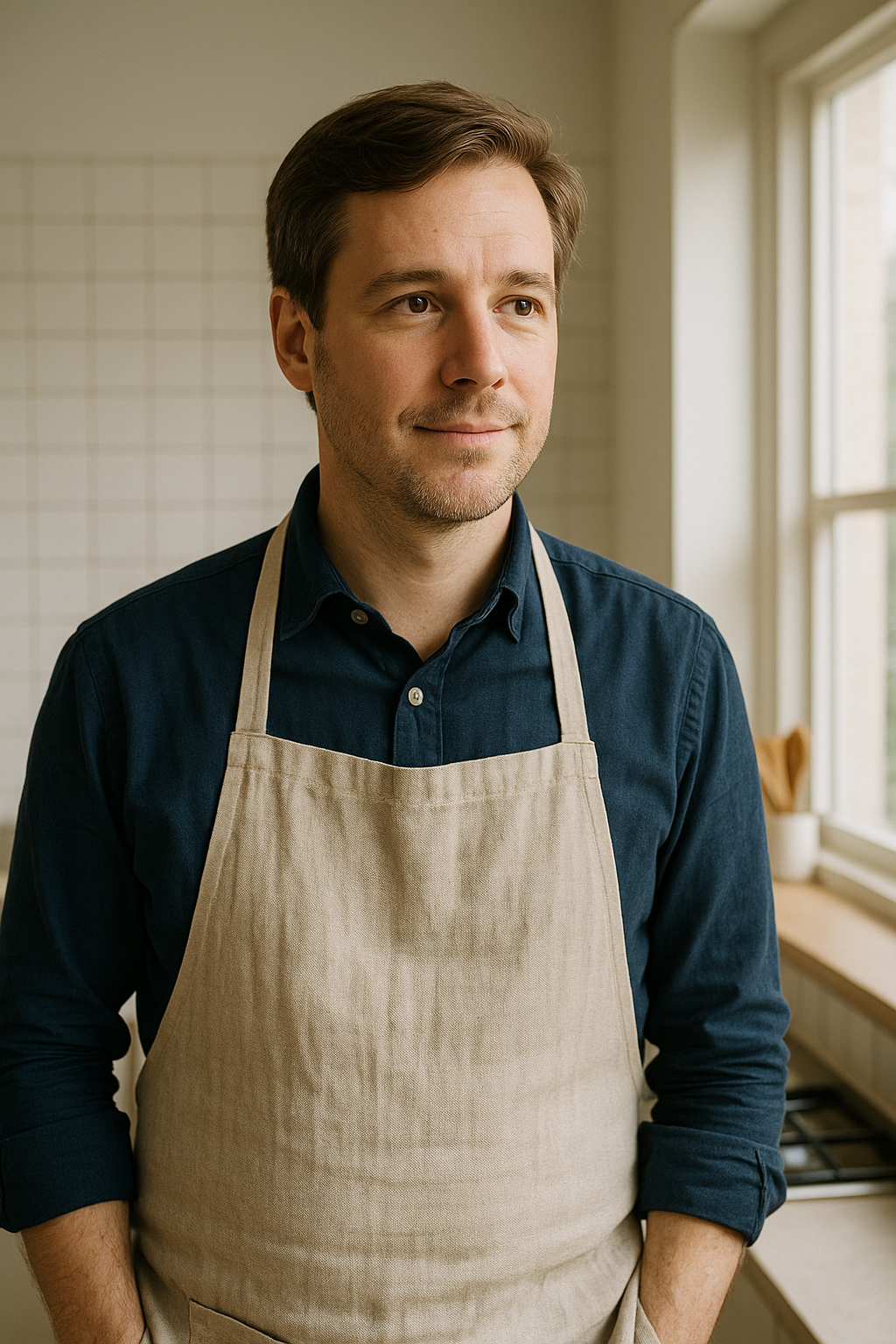
Hi, I’m Landon Brooks. I am the editor-in-chief of Cook and Design, but for the first decade of my working life I was actually a product designer in New York.