
Discover the Lake of the Ozarks Chef Chosen by Jelly Roll for His Getaway: How a Private Chef Became Part of the Retreat Story 🎶
At Lake of the Ozarks, celebrity sightings can feel like summer weather—sudden, widely discussed, and gone before anyone fully processes it. Yet the most meaningful moments rarely happen at the loudest waterfront patio. They happen behind the scenes, where hospitality turns into trust and a “regular workday” becomes a memory someone keeps for life.
That dynamic played out when private chef Amber Brown, a Lake-area culinary pro known for tailored events, was asked to cook for Jelly Roll during a short getaway built around songwriting. Around town, fans traded stories of glimpses at restaurants and on the water between tour stops. In the kitchen, though, Brown’s experience became a different kind of headline: three days of building menus that fueled creativity, kept energy steady, and—most importantly—made a high-profile group feel at home. ✨
The remarkable part is how close it came to never happening. The request arrived as an email that sounded like the kind of message service businesses learn to distrust. Brown’s instincts flagged it as suspicious because similar outreach can be a scam—vague details, urgency, a famous name attached. Instead of dismissing it outright, she verified the ask with a phone call, and the tone changed immediately: the opportunity was real, the schedule was tight, and the group needed a chef quickly.
By the next morning, Brown was cooking for a cluster of writers and collaborators gathered for a working retreat, with Jelly Roll present as well. The plan was structured and demanding: brunch and dinner each day, and a different menu every meal. That’s not simply “making food”; it’s executing a rolling production where variety, timing, dietary preferences, and mood all matter. A creative team can’t write if they’re hungry, crashing on sugar, or waiting hours for a meal—so the chef’s job becomes part logistics manager, part nutrition strategist, part calming presence.
It also reframes what “private chef” means in a lake destination. The Lake of the Ozarks isn’t only a place for marinas and sunsets; it’s a setting where privacy is valued and where groups prefer to work without constant interruptions. For a celebrity retreat, a chef becomes the bridge between local flavor and personal comfort—offering meals that feel special but still grounded, the culinary equivalent of a lake house playlist that mixes classics with something unexpected.
In Brown’s case, that bridge extended beyond plates. In many high-profile jobs, chefs are invisible—arriving early, cooking while clients are out, leaving before anyone asks their name. This retreat was different. Brown wasn’t treated like background labor; she was welcomed, spoken to, and included in the atmosphere. That human element is what turned a demanding gig into a story people repeat: the star and his team weren’t focused on status, but on respect. And in hospitality, respect is the ingredient that changes everything. 🫶
Discover the Lake of the Ozarks Chef Chosen by Jelly Roll for His Getaway: Brunch Menus Built for Energy, Focus, and Comfort 🍓
Brunch may sound casual, but for a working retreat it functions like a control panel for the day. The goal is not only to satisfy appetites—it’s to keep a room full of creative professionals steady, alert, and comfortable without the heavy slump that can follow an oversized, greasy breakfast.
Brown approached brunch with a buffet mindset: variety, self-service ease, and options that accommodate different tastes without requiring a separate meal for each person. That structure matters when schedules shift. Songwriting sessions don’t always obey the clock; ideas hit when they hit. A smart brunch spread allows someone to grab a plate, return to work, and keep momentum without turning the kitchen into a bottleneck.
Buffet-style brunch at Lake of the Ozarks: why it works for a songwriting retreat
Buffets are sometimes dismissed as “event food,” but in private-chef settings they can be deeply intentional. For a group working in bursts—writing, listening back, rewriting, debating lyrics—the buffet becomes a quiet support system. It offers autonomy: no one has to ask permission to refuel, and no one feels singled out for eating differently.
Brown’s brunch plan featured familiar favorites and customizable elements: quiches paired with pastries and fresh fruit, plus a breakfast burrito bar stocked with toppings. Classic staples like bacon and eggs appeared too, giving the comfort-food baseline that helps people relax when they’re away from home.
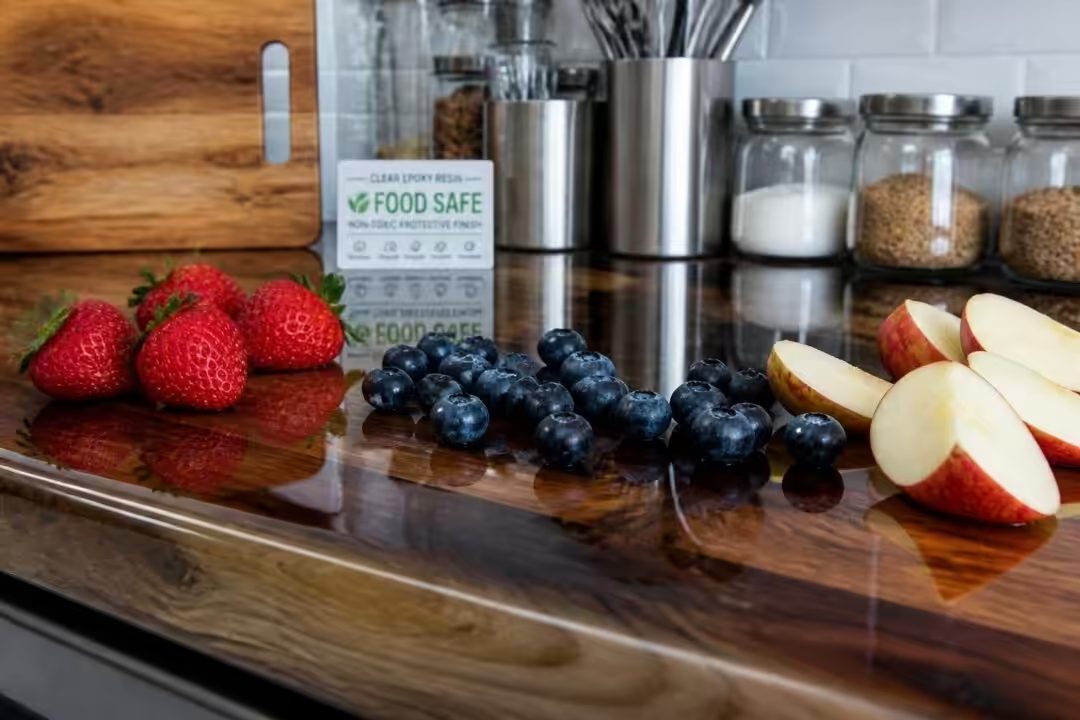
What became the surprising centerpiece was fruit. Not a token bowl, but massive platters—the kind that visually signals abundance. Brown described cutting fruit constantly, assembling spreads that felt almost theatrical: long displays packed with multiple varieties, refreshed again and again as the group returned for more. Jelly Roll, in particular, was said to be especially fond of it. 🍍
Practical details that make a celebrity brunch feel effortless (even when it isn’t)
Behind an “effortless” spread is a series of decisions that separate an ordinary meal from one that feels curated. Fruit, for example, sounds simple until it becomes the centerpiece. Keeping it vibrant requires knife work, cold holding, timing, and re-stocking before browning or drying steals the shine.
There’s also a psychological angle. A retreat can be intense—long hours, pressure to produce, and the vulnerability of sharing unfinished work. Food that feels fresh and generous can lower defenses. It’s hard to stay tense when there’s a bright board of berries, melons, citrus, and grapes waiting at arm’s reach.
To show how this kind of brunch strategy comes together, here is a concise breakdown of what a “creative-work buffet” prioritizes:
- 🍳 Choice without chaos: a few strong anchors (quiche, eggs) plus customizable options (burrito bar).
- 🍓 Freshness that reads as care: fruit and pastries signal attention to detail.
- 🌯 Fast refueling: food that can be eaten quickly between sessions.
- 🧃 Hydration-friendly items: fruit and lighter options help avoid the mid-day crash.
- 🕰️ Flexible timing: spreads can stay appealing as people drift in at different times.
It’s easy to underestimate how much a brunch table influences the tone of the day. In this case, it set the retreat’s rhythm: relaxed, nourished, and quietly celebratory—exactly the conditions that let creative people take risks with their work. The next step, naturally, was dinner: where comfort meets “wow.”
For readers who want a sense of the setting and the wider Lake buzz around Jelly Roll’s visit, this search-based video embed offers context from local coverage and social chatter.
Discover the Lake of the Ozarks Chef Chosen by Jelly Roll for His Getaway: Three Dinners, Three Moods, One Culinary Narrative 🍽️
Dinner at a retreat does more than end the day—it marks a transition from focused work to shared reflection. When a group spends hours writing, revising, and testing ideas, the evening meal becomes the moment where the room exhales. That’s why Brown’s decision to create three distinct dinners mattered: each night had its own personality, pacing, and comfort level.
The first dinner leaned into classic “special occasion” energy: filet mignon, shrimp kabobs, roasted potatoes, and fresh asparagus. This is a menu that signals arrival—welcome to the Lake, welcome to the retreat, you’re being taken care of. The protein choices also allow for control over doneness and preference, which is critical when serving a group with varied tastes. A filet can be cooked to individual temperature; shrimp delivers a lighter option that still feels celebratory. 🥩
Night two moved in an entirely different direction with a build-your-own taco bar, plus homemade guacamole and homemade salsa. On paper, it sounds casual—until you remember what it does socially. Interactive meals create conversation. They get people standing, choosing toppings, teasing each other about spice levels, and laughing. That kind of easy social glue is priceless on a creative trip, because stronger rapport often leads to better collaboration.
The third night brought a polished, balanced finish: honey Dijon salmon and chicken piccata, paired with roasted vegetables like Brussels sprouts and asparagus, plus roasted potatoes and other farm-forward sides. The two-protein approach is strategic: salmon offers a clean, rich bite; piccata brings brightness and acid. After days of buffet brunches and interactive dinners, the final evening’s menu reads like a “reset”—satisfying, but not heavy.
Dessert every night: the quiet signature that makes guests remember
In private dining, dessert is often where the chef’s voice becomes unmistakable. Brown prepared sweets from scratch each evening, including a standout: homemade crème brûlée finished with fresh whipped cream and berries. Another night featured peach cobbler, a dessert that feels especially at home in the Ozarks—warm, nostalgic, and perfect after a day near the water. 🍑
The point isn’t sugar for sugar’s sake. A good dessert closes the loop emotionally. It signals: the work can pause now, the day is complete, you’re safe to relax. For writers, that closure matters; it helps the mind downshift, which is often when new ideas quietly appear.
Local sourcing around Camdenton and Osage Beach: flavor with a sense of place
Brown emphasized that many ingredients were pulled from local businesses in the Camdenton and Osage Beach area. That detail turns a private meal into a Lake of the Ozarks experience rather than a generic “celebrity catering” job. Local sourcing can also be a practical advantage: shorter supply chains mean fresher produce and more flexibility if the menu needs to pivot.
Consider a simple example: asparagus and berries can be sourced in ways that preserve texture and aroma—two qualities that disappear quickly in long-haul logistics. When the retreat schedule is tight, that freshness becomes the difference between “good” and “memorable.”
Below is a clear snapshot of how the meals evolved across the three days, showing how variety was built without losing cohesion:
| Day & Meal 🗓️ | Core Dishes 🍽️ | Guest Experience Goal 🎯 |
|---|---|---|
| Night 1 🌟 | Filet mignon, shrimp kabobs, roasted potatoes, asparagus | Celebrate arrival; “special dinner” energy |
| Night 2 🌮 | Build-your-own taco bar, homemade guacamole, homemade salsa | Encourage conversation and relaxed connection |
| Night 3 🐟 | Honey Dijon salmon, chicken piccata, roasted Brussels sprouts, asparagus, potatoes | Balanced finish; satisfying but not heavy |
| Desserts 🍮 | Crème brûlée with berries; peach cobbler; additional homemade sweet | Emotional closure; a memorable final note |
When dinner is designed this way—varied yet intentional—it doesn’t compete with the retreat’s purpose. It reinforces it, acting like a nightly reset button that keeps the group steady for the next day’s work. The most compelling part, though, wasn’t the menu—it was how the people treated the person cooking it.
For further coverage and interviews focused on the chef and the experience, this YouTube search embed helps readers explore the broadcast-style storytelling that brought the details to the public.
Discover the Lake of the Ozarks Chef Chosen by Jelly Roll for His Getaway: The Human Side of Hospitality and Why Kindness Goes Viral 🤍
Celebrity stories often focus on what someone ate, where they sat, or whether they tipped well. The more lasting stories are about how they treated people when no one was watching. In Brown’s account of the retreat, the recurring theme wasn’t fame—it was kindness, expressed in small, consistent ways that made an intense job feel joyful rather than transactional.
Private-chef work for high-profile clients is typically structured around invisibility. The chef arrives, executes, cleans, and disappears. Guests might never enter the kitchen, and if they do, it’s brief. That separation is partly about privacy and partly about efficiency. Brown expected that rhythm and described how unusual it felt that this group wanted the chef present as a person, not just as a service.
Jelly Roll was described as spending real time in the kitchen area—talking, listening, and engaging. That behavior is more impactful than it sounds. Kitchens are stressful environments by default: sharp tools, hot surfaces, tight timelines, and the pressure of getting everything right for people who could easily complain. When the client chooses to be present in a respectful way, it can either raise stress or reduce it. Here, it reduced it because the tone was supportive rather than supervisory.
Encouragement as part of the “menu” 🫶
Brown has spoken about coming from a difficult background and building something meaningful through hard work. In conversation, Jelly Roll reportedly connected with that reality and offered encouragement—recognizing the effort behind the craft. That kind of recognition lands differently than compliments about taste. Saying “this is delicious” praises the outcome; saying “you built something real” praises the person.
In hospitality, that distinction matters because the work is physically demanding and emotionally loaded. Chefs care deeply, yet they rarely get to see the impact beyond empty plates. When a guest takes time to acknowledge a chef’s journey, it can become a turning point—fuel for future risks, new business steps, or simply renewed pride in the daily grind. 💪
The retreat vibe: not just feeding artists, but supporting the creative process
Even without sharing details of what the writers were crafting, the structure of the retreat reveals a lot. It was a multi-day session with a team of songwriters, with Jelly Roll present, and with enough privacy to work uninterrupted. That kind of environment thrives on psychological safety—people need to feel comfortable sharing half-formed ideas.
Food contributes to that safety when it’s consistent, considerate, and responsive. A chef who notices what gets eaten quickly (like fruit) and adapts in real time is doing more than “following a menu.” They’re reading the room. Brown’s constant fruit prep, for example, signals responsiveness: seeing a preference and meeting it generously.
In practical terms, that responsiveness can change the day. A writer grabbing fruit between takes stays light and focused. A heavy meal might slow the room down. A build-your-own taco night might rebuild rapport after a tense work session. Hospitality becomes a tool for group dynamics—subtle, but real.
Lake of the Ozarks locals and the ripple effect of public warmth 🌊
Outside the retreat house, the Lake of the Ozarks community was buzzing with sightings. Fans shared encounters at popular waterfront spots, and the story gained traction across social platforms. Brown’s perspective added a layer that public sightings can’t capture: the artist’s genuine enjoyment of meeting locals and the group’s appreciation for how they were treated around the Lake.
That matters culturally because it flips the usual script. Instead of locals feeling grateful for attention, the visitors expressed gratitude for the community’s friendliness. In a destination town, that exchange is the best kind of publicity—organic, human, and rooted in manners rather than marketing. 📣
The lasting insight is simple: the most talked-about celebrity moments at the Lake weren’t defined by exclusivity, but by everyday decency. And when decency is paired with great food, it doesn’t just satisfy a retreat—it elevates the entire getaway into a story worth retelling.
Discover the Lake of the Ozarks Chef Chosen by Jelly Roll for His Getaway: What the Experience Reveals About Modern Private Chefs at the Lake 🧑🍳
The Lake of the Ozarks has long been framed as a playground of docks, coves, and weekend energy. Yet as travel patterns shift and more groups seek privacy, the region is also becoming a hub for quiet, high-value experiences: retreat rentals, small-team offsites, and creative getaways that prioritize discretion. In that landscape, the private chef is no longer a luxury add-on. The chef becomes infrastructure.
Amber Brown’s work illustrates how that infrastructure functions. Her business portfolio spans multiple formats: catering, private chef services, and a food truck, reflecting the kind of versatility that modern regional chefs need. She also operates a dining destination in Mansfield—the Southern Belle Dining Car, known locally for giving new life to a historic train-car diner space. That blend of mobility and place-based identity is exactly what makes a chef valuable for clients who want both professionalism and a sense of the Ozarks.
From “is this a scam?” to service execution: why verification is part of the job ✅
One under-discussed reality of private-chef work is that logistics now begin long before groceries. Brown’s first reaction to the celebrity email was skepticism, and for good reason. Service businesses are targeted by fake bookings and phishing attempts, especially when urgency and fame are used as pressure tactics.
Her decision to verify via phone call shows a best practice that protects both chef and client: confirm identities, confirm timelines, confirm location expectations, and clarify scope. That verification step is not paranoia—it’s professionalism. When it’s done well, it clears the runway for smooth execution and allows the chef to focus on cooking rather than worrying about legitimacy.
How chefs design “retreat-proof” menus at Lake of the Ozarks
Retreat menus differ from event menus. A wedding might demand spectacle and one perfect timeline. A retreat demands resilience: meals that can flex around unpredictable work sessions, diverse appetites, and the need to stay mentally sharp. Brown’s three-day plan shows several retreat-proof principles in action.
First, she balanced indulgence with lightness. Filet and crème brûlée bring luxury, while fruit platters and salmon keep the overall rhythm from getting too heavy. Second, she built in interactivity with the taco bar, which doubles as a social reset. Third, she used repetition strategically—like recurring fruit and familiar sides—so the group had anchors even as the menus changed.
These are the kinds of decisions that clients feel even if they never name them. The retreat simply “works.” Energy stays stable. People feel cared for. The kitchen never becomes a disruption.
A practical checklist for booking a Lake of the Ozarks private chef (the celebrity way, minus the celebrity)
Not everyone is hosting a Grammy-winning artist, but the planning principles translate. Whether it’s a family reunion, a corporate offsite, or a songwriting weekend, the best outcomes come from clarity and collaboration. Here’s a grounded checklist inspired by the realities of this kind of booking:
- 📅 Confirm the schedule: define meal times, but allow a buffer for “creative drift.”
- 🥗 Share preferences early: allergies, dislikes, “always yes” snacks (fruit is a common win).
- 🛒 Ask about sourcing: local Camdenton/Osage Beach ingredients can elevate freshness and story.
- 🍽️ Plan variety by mood: one elevated dinner, one interactive meal, one balanced reset.
- 🧼 Clarify cleanup expectations: private-chef magic includes leaving the kitchen better than it was.
- 🔒 Set privacy boundaries: especially for retreats, decide what can be shared publicly.
Finally, the business impact of a moment like this is real. A single high-trust booking can ripple into broader recognition, not because of name-dropping, but because it demonstrates capability: rapid response, menu range, local sourcing, and the social intelligence to thrive in a high-stakes environment.
The key takeaway is that Lake of the Ozarks hospitality isn’t just about where a celebrity was spotted—it’s about the professionals who make the Lake feel like a true getaway, one carefully planned meal at a time. 🔥
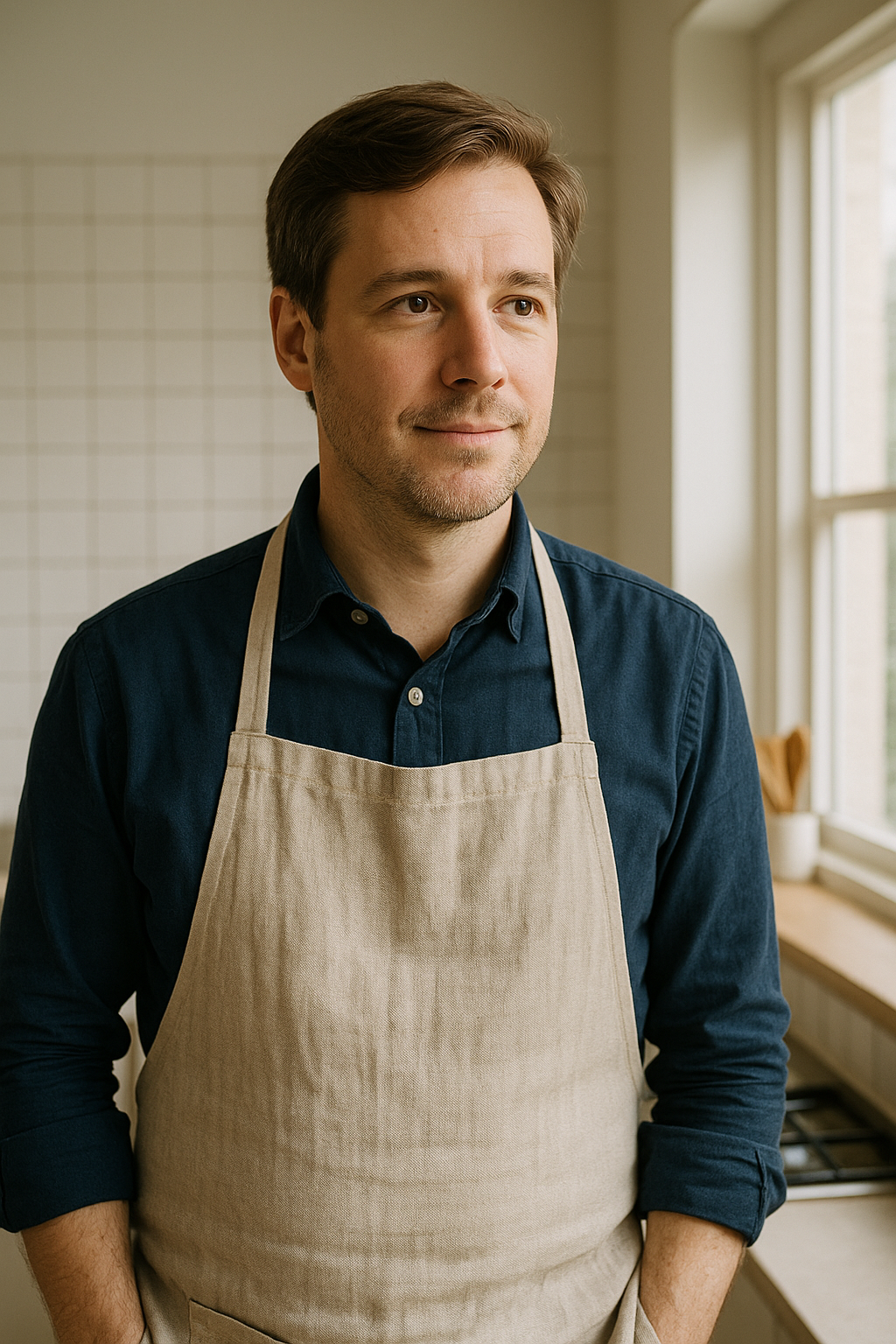
Hi, I’m Landon Brooks. I am the editor-in-chief of Cook and Design, but for the first decade of my working life I was actually a product designer in New York.