Can Chickens Eat Peas? (Safe or Dangerous + Vet Advice)
A creative culinary background meets backyard husbandry in the story of a former city chef who now tends a small flock at Marigold Farm. This character illustrates how a food-savvy approach can clarify whether peas are a safe, nutritious treat for hens and roosters. The practical question—are peas safe?—is answered by examining composition, comparative risks, and veterinary guidance.
Peas are not listed among toxic foods for poultry; they are a legitimate treat that brings notable nutrients. However, safe feeding depends on correct preparation, portion control, and awareness of specific hazards such as added salts or pesticide residues. This section details the core nutritional profile and frames the veterinary concerns to watch for, equipping caretakers with the knowledge to decide confidently.
Nutritional breakdown and why it matters
Peas offer a blend of macronutrients and micronutrients that supports general health. For example, a typical 100-gram portion supplies roughly 5 grams of protein, around 5 grams of fiber, and vitamins like A and C that benefit immune response and reproductive function. These values make peas a better treat than many calorie-dense but nutrient-poor options such as bread or pasta.
Protein from peas can be especially useful during periods of increased demand, such as a moult when feather regrowth requires extra amino acids. The fiber content supports digestive transit and gut health, helping prevent constipation in birds that might otherwise receive overly rich snacks.
| Component 🟢 | Per 100g 🔍 | Benefit for Chickens 🐔 |
|---|---|---|
| Protein 🥚 | ~5 g | Supports feather growth and egg production 🐣 |
| Fiber 🌾 | ~5 g | Aids digestion and gizzard function 🍽️ |
| Vitamin A 🟠 | Significant | Immune health & vision 👀 |
| Vitamin C 🍊 | Present | Antioxidant support during stress 🌿 |
| Water 💧 | ~80 g | Hydration, especially in hot weather ☀️ |
Veterinarians emphasize moderation: treats should not exceed 10% of daily intake. This prevents displacement of balanced commercial diets designed to meet calcium, phosphorus, and trace mineral needs. Marigold Farm’s caretaker follows this rule religiously, scattering only a small handful per bird when offering peas.
There are also specific veterinary cautions. Pea plants themselves are safe, but residues from pesticides or herbicides can cause symptoms ranging from mild digestive upset to more severe systemic effects. Canned peas often contain added sodium, which is not suited to poultry in quantity. Finally, mouldy or fermented peas must be avoided because mycotoxins can damage liver and immune responses even at low doses.
In short, peas are safe and beneficial when fed as a controlled supplement and prepared with care; the veterinary watchwords are moderation, cleanliness, and no added salt. This groundwork foreshadows the next section on specific pea forms and the best preparation methods for each.
Can Chickens eat Peas safely? Read our complete, vet-reviewed diet guide on Peas for Chickens, featuring portion sizes and potential health risks
Different presentations of peas bring different advantages and hazards. Fresh, frozen, dried, and canned peas each demand tailored handling to ensure safety and digestibility. This section breaks down practical preparation steps and offers examples from real-life scenarios at urban homesteads and rural smallholdings.
Fresh peas: best practices and examples
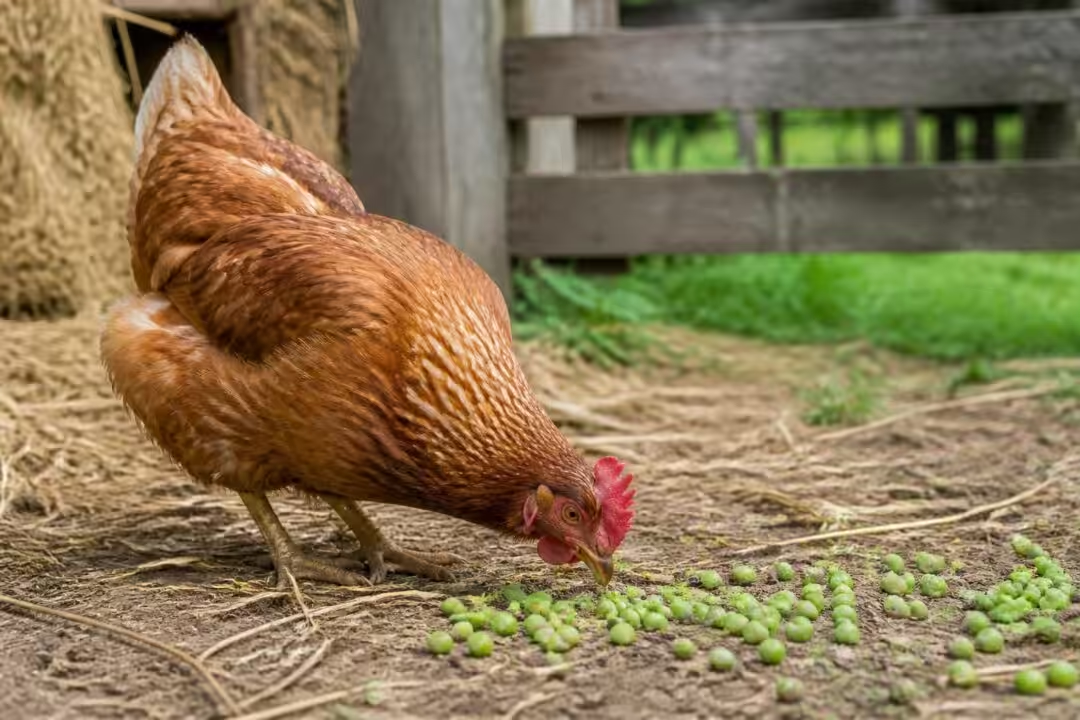
Fresh peas are usually the simplest option to serve. Shelling comes down to choice: peas can be offered still in the pod to stimulate foraging behaviour, or shelled for easier consumption by chicks and bantams. A practical example: at Marigold Farm, peas picked from the garden are rinsed and scattered across straw during mid-morning to promote pecking and exercise.
Washing is essential to remove surface residues. A swift rinse under clean water will remove dirt and most pesticide traces; for store-bought peas, a longer soak followed by a rinse reduces residues further. Never feed plants that have been treated with systemic pesticides unless a full safety interval has elapsed.
Frozen peas: seasonal advantages
Frozen peas are a pantry-friendly option and particularly useful in hot summers as a cooling treat that stimulates appetite during heat stress. Chickens can peck at frozen peas directly because the small size minimizes choking danger. An anecdote: a suburban flock responded eagerly to frozen peas on a 2024 heatwave afternoon, showing renewed activity and improved water intake when otherwise lethargic.
When using frozen peas as a regular staple, avoid flavoured or pre-seasoned varieties which often contain salt or oils harmful to poultry. Plain, unseasoned bags from the supermarket freezer aisle are the safest and most economical choice.
Video resources can illustrate scattering techniques to increase foraging and reduce hierarchical hoarding by dominant birds.
Can Chickens Eat Both Fresh and Dried Peas Safely?
Dried peas and split peas are shelf-stable and cost-effective, but they require extra handling to be safe and digestible. This section discusses soaking, crushing, and practical portioning strategies for different flock compositions. It also covers the often-debated pod issue and provides concrete rules for chick feeding.
Dried peas: soak, crush, or split?
Whole dried peas are hard and can present a choking hazard to small breeds. Soaking them for at least six hours softens the texture and reduces digestive strain. Alternatively, crushing dried peas into coarse grit mimics the effect of gizzard processing and prevents whole kernels from passing undigested.
Split peas, which are hulled and halved, are easier for birds to manage. They offer higher protein concentration by weight because water has been removed, making them useful during moult or when extra protein is desired without adding fat. An example: a keeper aiming to support feather regrowth might offer a small spoonful of soaked split peas alongside dried mealworms as a balanced treat mix.
Pea pods and pea plants: to feed or compost?
Young, tender pods—like snow peas—are generally safe and provide fiber and greenery that chickens enjoy. Mature fibrous pods can resist digestion and should be limited. Pea vines and leaves are also edible and can be tossed into the run as enrichment at the end of the season.
Attention must be paid to prior chemical treatment: any plant material treated with pesticides should be composted rather than fed directly. Composting at high heat also breaks down residues, but only after confirming proper decomposition.
- 🌱 Soak whole dried peas for at least 6 hours before feeding to soften them.
- 🔪 Crush or mill large dried peas for bantams and chicks to avoid choking.
- 🥶 Use frozen peas in summer for hydration and enrichment.
- 🧂 Avoid canned or seasoned peas due to added sodium and flavors.
Chicks can safely consume peas after the first week or two if they have access to grit and the pieces are small enough to swallow comfortably. Always pair new treats with close observation for signs of digestive upset and adjust methods accordingly. This careful approach preserves health while reinforcing natural behaviours like foraging and pecking.
Peas for Chickens: The Safe and Simple Guide to Raw and Cooked Feeding
balancing peas within the broader diet requires understanding interactions with commercial feeds, supplements, and the lifecycle of the birds. This section explores how peas complement a complete layer feed, the role of calcium supplementation, and practical limits to prevent nutritional displacement. Veterinary recommendations are woven into hands-on strategies used by hobby keepers and small producers.
How peas fit with commercial feeds and calcium needs
Complete layer feeds are formulated to meet the mineral and vitamin requirements of laying hens. When peas are offered as treats, they should not replace this core diet. A practical guideline: peas and other treats combined should stay within the 10% treat rule to avoid dilution of essential nutrients.
Calcium is a particular concern for layers. While peas contain useful vitamins, they are not a primary source of calcium. Keep a free-choice supply of crushed oyster shell available so hens self-regulate intake to support eggshell formation. Mixing calcium supplements into feed is discouraged because hens may then consume inconsistent amounts.
Risks to avoid: salt, mold, and pesticides
canned peas often have added sodium. Excess salt leads to increased thirst, loose droppings, and potential kidney strain in poultry. If canned peas are the only option, drain and rinse thoroughly, but fresh or frozen remain the preferred choice.
Mold is another hidden danger. Mycotoxins from mouldy or fermented peas can have systemic effects on the liver and immune system. An anecdote from Marigold Farm: a batch of improperly stored dried peas produced atypical lethargy and reduced egg output before the source was traced to mould; removing the feed and replacing it resolved the issue within days.
Regular inspection of storage bins and prompt disposal of suspect bags prevents such incidents. Keep dry ingredients in airtight containers and rotate stock regularly to minimise spoilage.
Proper portioning techniques reduce competitive aggression and wastage. Scatter-feeding small amounts encourages natural foraging and prevents a dominant bird from monopolising treats. For flocks of four to six hens, a half-cup of frozen peas scattered at once is a reasonable occasional treat; for larger or smaller flocks, scale accordingly.
Ultimately, the goal is to use peas to enrich the flock’s environment and nutrition without disrupting the foundation of balanced feed. Mindful storage, careful portioning, and attention to lifecycle stages ensure peas remain a positive supplement. This guidance connects directly to creative feeding ideas presented in the next section.
Can Chickens Eat Peas Safely and Benefit From Them? Peas for Chickens: The Safe and Simple Guide to Raw and Cooked Feeding
Practical enrichment and recipe-style feeding can turn simple peas into meaningful welfare and nutritional tools. This final section offers creative serving ideas, a seasonal schedule, and a case study showing how a chef-turned-keeper transforms kitchen surplus into balanced treats. Each idea includes step-by-step notes and expected outcomes for flock health and behaviour.
Seasonal feeding schedule and creative serving ideas
seasonal timing affects both availability and the flock’s needs. In spring, fresh garden peas and tender pods provide green nutrition after a winter of stored feed. Summer benefits from frozen peas as cooling treats. Autumn is a good time to mix peas with other vegetables for variety. Winter calls for thawed frozen peas to offer quick energy and hydration when forage is scarce.
Here are several creative ways to serve peas that enhance welfare and control intake:
- 🍽️ Scatter-feed a mix of thawed frozen peas and chopped leafy greens to stimulate foraging and slow eating.
- 🧺 Place peas in a shallow treat ball or hanging fruit net to encourage problem-solving and exercise.
- 🔥 Lightly mash soaked dried peas with a small amount of warm water to create a textured treat for moulting hens.
- 🍎 Combine peas with other safe fruits like berries for occasional variety and antioxidant support.
These methods distribute food access, reduce pecking order friction, and provide mental stimulation. The chef perspective at Marigold Farm turned kitchen scraps into balanced mixes, pairing peas with cooked but unsalted grains or plain hard-boiled egg pieces at times of higher protein demand.
Case study: Marigold Farm’s pea strategy
At Marigold Farm, the former city chef designed a weekly rotation. On Mondays, a small handful of split peas supports feather regrowth. On Thursdays, a half-cup of thawed frozen peas is scattered mid-afternoon in summer for cooling and activity. At the end of the pea season, whole spent pea plants are tossed into the run for enrichment and fiber.
The results were measurable: sustained egg weights during a transitional moult month and visibly increased activity during heat spells when frozen peas were introduced. These outcomes illustrate how a deliberate schedule can optimize both nutrition and behaviour.
Key practical reminders: avoid canned or seasoned peas, keep treats modest, and observe birds for any digestive changes. When in doubt, consult a veterinarian about unusual symptoms after new foods are introduced.
Final insight: peas are an adaptable, nutrient-rich treat that, when prepared and portioned thoughtfully, enhance flock health and welfare without replacing foundational balanced feed.

Hi, I’m Landon Brooks. I am the editor-in-chief of Cook and Design, but for the first decade of my working life I was actually a product designer in New York.