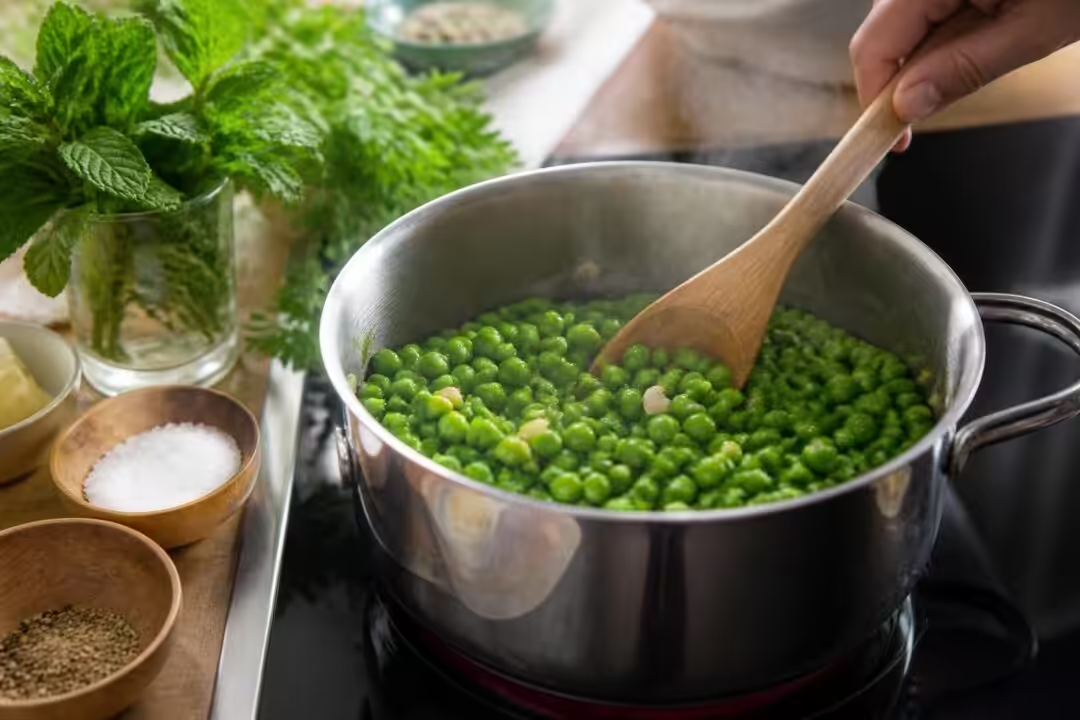
Frozen Peas: How to Cook Them So They Taste Good with the Right Buying and Storing Choices
Frozen peas can be the most reliable green vegetable in the kitchen because they’re picked at peak sweetness, quickly blanched, then frozen fast to lock in color and flavor. That “frozen at their best” advantage is the reason peas often taste brighter than out-of-season “fresh” peas that traveled too far. Still, great results start before the pan ever gets hot: choosing the right bag, storing it correctly, and understanding what’s inside that frosty package makes the difference between snappy, sweet peas and bland, waterlogged ones.
In a busy home kitchen, one recurring character tends to appear: a weeknight cook (call her Maya) who keeps a few freezer staples for quick dinners. Maya’s first mistake used to be buying the biggest bargain bag, leaving it half-open, and wondering why the peas tasted like the freezer. The fix is simple: minimize exposure to air and temperature swings. Every time the bag is opened, moisture enters, then refreezes as ice crystals that damage the pea skins. The result is peas that burst, turn soft, and leak starch into the pan.
Shopping smart helps. In the U.S., many “standard” frozen green peas are sweet peas, and across brands they’re fairly similar. That means it’s often best to buy what’s on sale—unless the goal is that extra-tender texture associated with petite peas (petit pois). Petite peas are typically smaller, cook faster, and read as more “delicate” on the plate. They’re also excellent for elegant meals where peas are meant to look like glossy green beads rather than rustic spoonfuls. A good rule: when peas are meant to be the star (minted peas, peas with scallions, buttery peas), petite peas shine. When they’re a supporting ingredient (soup, fried rice, pasta), regular sweet peas work perfectly.
Freezer management is unglamorous, but it’s where flavor is protected. A bag of peas can keep for over a year if it stays sealed and cold, but taste is best when it’s rotated like any pantry staple. If only half a bag is needed, press out excess air, fold the top tightly, and clip it shut. For even better protection, pour the remainder into a freezer-safe container. The goal is to prevent freezer burn—those chalky, pale patches that make peas taste dull 😬.
One more buying detail that matters: check the ingredient list. Ideally it should be peas, and nothing else. Some seasoned blends can be fine, but they limit flexibility. Plain peas allow creative seasoning later—garlic butter one night, lemon and herbs another, or a quick broth glaze for a more savory direction.
Finally, treat frozen peas differently than other frozen vegetables: thawing is usually a downgrade. Thawed peas sit in their own meltwater, the skins soften, and the final texture becomes mush-prone. Cooking directly from frozen keeps the outside firm while the center warms through, giving that tender-but-not-squishy bite that makes peas feel “fresh.” The next step is choosing a cooking method that respects their delicate structure—and that’s where technique takes over.
Best Way to Cook Frozen Peas So They Taste Good: Sautéing for Flavor and Texture
If frozen peas have a reputation for being bland, it’s usually because they were boiled into submission. The most reliable approach for peas that taste genuinely good is sautéing: direct heat, a little fat, and aromatics to build a fast sauce that clings to each pea. This method creates peas that are vibrant, plump, and tender, not watery. It’s also quick enough for a weeknight, yet polished enough for a holiday plate.
A simple skillet method looks almost too easy, which is exactly why it works. Start with a large skillet over medium heat. Add 1–2 tablespoons of butter (or olive oil for a plant-based option). Butter does more than add richness; it carries aroma compounds from garlic and herbs, and it coats the pea skins so seasoning sticks instead of sliding off into the pan. Olive oil brings a fruitier profile and a slightly lighter finish.
Add frozen peas straight from the freezer—no thawing. Stir regularly while they cook for about 6–8 minutes. Time is a guide, not the boss. Peas are done when they’re bright green, round-looking (not shriveled), and tender inside. Bite one: there should be no crunchy center, but also no mush. That “tender, poppable” bite is the goal 🎯.
Seasoning should happen in layers. Salt early helps, but garlic can burn if added too soon. A practical rhythm: let peas warm and shed surface frost first, then add minced garlic (or a pinch of garlic powder) during the last minute. Stir for 30–60 seconds so the garlic blooms without turning bitter. Finish with black pepper and any bright notes like lemon zest or herbs. When done well, the peas look glossy rather than wet.
Maya’s weeknight test is serving sautéed peas next to rotisserie chicken and mashed potatoes. The peas aren’t just “green on the plate”—they become the bite that wakes up the whole meal. Another test: fold them into buttered noodles with parmesan and lemon zest; the peas hold their shape and taste sweet against the salty cheese.
Flavor upgrades that make sautéed frozen peas taste “restaurant good”
Small upgrades can shift peas from basic to memorable. One classic approach is adding sliced scallions to the butter first, cooking them for a few minutes until tender, then adding peas and a splash of broth. The broth simmers down, leaving a light glaze. This technique builds savory depth without heaviness, and it’s adaptable to chicken or vegetable broth.
Another upgrade is a tiny pinch of sugar—optional, and best used with restraint. It doesn’t make peas “sweet,” it amplifies their natural sweetness when the batch tastes a little flat. This is especially useful if the peas are older or slightly freezer-burned. The key is subtlety: the peas should still taste like peas, not candy 🍬.
Cheese finishes work beautifully because peas love salt and umami. Parmesan melts into a micro-sauce. Feta stays crumbly and tangy. Cotija adds a punchy, salty edge that pairs well with chili flakes. Each one shifts the vibe of the same basic skillet method, which is why sautéing is the most flexible path to peas that taste good every time.
Next comes the question many cooks ask when they’re trying to keep things lighter: can peas still taste great when steamed or boiled? Absolutely—if timing and color cues are respected.
Watching the color change in real time is one of the easiest ways to learn doneness: peas turn from frosty pale green to a clean, bright emerald when they’re ready.
How to Cook Frozen Peas So They Taste Good Without Sautéing: Steaming and Boiling Done Right
Sautéing wins for flavor, but steaming and boiling still have a place—especially when the goal is a lower-fat side, a clean flavor for a composed dish, or when peas are being added to something else (like a casserole or soup) and don’t need buttery gloss. The catch is that both methods punish overcooking. Peas can go from perfect to lifeless in a minute, turning olive-green and soft. The trick is treating them like a delicate ingredient, not a hardy vegetable.
Steaming is the gentlest option. A simple approach: add one bag of frozen peas to a saucepan with about 1/2 cup of water, cover, and heat over medium-high for 4–6 minutes. If a steamer basket is available, that’s even better—peas sit above the water, which reduces waterlogging. When the lid comes off, the peas should look plump and bright. Drain any extra water, then season immediately while they’re hot.
Boiling is faster but riskier. Bring water to a rolling boil (bubbles across the surface), salt it generously, then add peas. They usually need only 2–3 minutes, sometimes slightly longer if they’re extremely frozen. Drain right away. If peas are left sitting in hot water, they keep cooking and lose their pop. This is where many people accidentally create mush.
Even in these “plain” methods, seasoning is what makes peas taste good. Salt and pepper are non-negotiable. A small pat of butter after draining creates shine and helps pepper cling. For a brighter profile, lemon zest and chopped herbs can replace some of the richness. A vegan version can use olive oil plus a squeeze of lemon, which reads fresh and lively.
Visual and sensory cues that prevent mushy peas 😵
Timing is helpful, but cues are more dependable because stoves and pans vary. The best cues are color, feel, and sound. Color should be bright green. Feel: peas should be tender when pressed, not collapsing. Sound: in a covered pot, the steaming sound becomes more active as frozen peas warm; once they’re hot, the sound stabilizes and the smell becomes sweet and green.
When peas are overcooked, the smell changes too—it becomes more “vegetal” and cabbage-like. That’s a warning sign that the natural sugars are breaking down and the color is fading. Pulling peas at the bright-green stage and finishing with seasoning gives a result that tastes clean, not tired.
Steaming and boiling also benefit from a quick “dress while hot” philosophy. Herbs like dill, chives, parsley, or mint release aroma best when they hit warm peas. Minted peas are a classic because mint’s coolness balances pea sweetness. For that traditional style, it’s better to skip garlic and let mint lead.
With these methods mastered, peas can reliably support almost any main. The next move is learning how to season peas in ways that match different cuisines, from comfort food to lighter, herb-forward plates.
Steamed peas tossed with lemon zest and chopped chives can taste surprisingly luxurious, even with very little added fat.
How to Season Frozen Peas So They Taste Good: A Flexible Seasoning Playbook
Frozen peas are mild by design, which makes them a perfect canvas. The most useful mindset is to season peas the way a chef seasons a quick sauce: choose a direction (buttery, citrusy, herby, cheesy, spicy), then build flavor in a few intentional steps. Peas don’t need complicated spice blends; they need balance—salt to sharpen sweetness, fat to carry aroma, and a bright or savory accent to keep them interesting.
One practical approach is to pick a “base” and a “finish.” The base might be butter with garlic, or olive oil with scallions. The finish might be lemon zest, fresh herbs, or cheese. This makes peas adaptable: the same bag can pair with roast chicken one night and glazed salmon the next, without feeling repetitive.
Seasoning combinations that reliably make frozen peas taste better
Below is a set of combinations designed to match common meals and moods. Each one works with sautéed peas, and most also work after steaming or boiling (just add the seasonings immediately after draining so they cling).
- 🧈 Garlic butter + black pepper: classic, crowd-pleasing, especially with meatloaf, pot roast, or crispy chicken tenders.
- 🍋 Lemon zest + olive oil + parsley: bright and clean; ideal with fish, grilled chicken, or grain bowls.
- 🧅 Sautéed onion or scallions + a splash of broth: savory and “comforting,” great with mashed potatoes or pork chops.
- 🧀 Parmesan + cracked pepper: salty and nutty; excellent with pasta, risotto, or buttered noodles.
- 🌿 Mint + a pinch of salt: traditional minted peas; perfect alongside lamb, ham, or spring-inspired plates.
- 🌶️ Red pepper flakes + cotija: bold, salty-spicy; pairs well with tacos, grilled corn dishes, or smoky mains.
- 🍬 Tiny pinch of sugar + salt: optional rescue move when peas taste flat; use sparingly so sweetness stays natural.
A useful example: Maya plans a holiday meal with glazed ham. Instead of serving peas as an afterthought, she sautés them in butter, skips garlic, adds mint at the end, and finishes with lemon zest. The mint and citrus cut through the ham’s sweetness and richness. Suddenly, peas feel deliberate—like they belong on the menu, not just on the plate.
Another example is a weekday pasta: sauté peas with scallions, add a splash of vegetable broth, reduce until glossy, then toss with linguine and shrimp. The peas become part of the sauce. That’s the hidden power of seasoning: peas stop being “a side” and start acting like an ingredient.
Quick reference table: match cooking method + seasoning to the situation
| Method ⚙️ | Best for 🍽️ | Top seasoning move 🌟 | Biggest risk ⚠️ |
|---|---|---|---|
| Sauté | Maximum flavor, glossy finish | 🧈 Butter + garlic in the last minute | Burning garlic if added too early |
| Steam | Clean, light side dishes | 🍋 Lemon zest + herbs right after draining | Water pooling if not drained well |
| Boil | Fastest method, meal prep | 🧂 Salt the water, then butter after draining | Overcooking past 2–3 minutes |
| Broth-glaze sauté | More savory, “chef-y” feel | 🧅 Scallions + broth reduced to coat | Too much liquid = peas taste diluted |
Seasoning is also where dietary needs are easy to accommodate. Many pea preparations are naturally gluten-free, and plant-based versions are as simple as swapping butter for olive oil and leaning on lemon, herbs, and alliums for depth. With technique and seasoning covered, the final step is making peas fit into real meals—choosing pairings and using leftovers in ways that keep them tasting fresh.
Frozen Peas That Taste Good in Real Meals: Pairings, Leftovers, and Smart Reheating
Peas earn their keep when they slide smoothly into everyday cooking. They cook faster than many vegetables, require no chopping, and can move from freezer to plate in about ten minutes. The difference between “peas as an obligation” and “peas as a craveable side” comes down to how they’re paired, how they’re used as an ingredient, and how leftovers are handled.
Pairing starts with contrast. Peas are naturally sweet and mild, so they love salty, savory mains. Comfort classics like roast chicken, meatloaf, pot roast, or glazed ham make peas taste brighter by comparison. On the lighter end, peas work well with grilled chicken or salmon—especially when finished with lemon zest and herbs. The key is choosing a pea style that supports the main: buttery peas for hearty meals, citrus-herb peas for seafood, minted peas for springy plates.
Peas also excel inside dishes. Stir them into rice at the end for a quick pop of color. Fold them into pasta sauces right before serving so they stay plump. Add them to soups in the final minutes to avoid dull color and blown-out texture. When peas are being used as an ingredient rather than a side, sautéing them briefly first is often the move—just enough to defrost and coat them in flavor, then they finish cooking in the dish.
How to store and reheat peas so they still taste good tomorrow
Leftover peas can be excellent, but only if reheated gently. Store them in an airtight container. Butter or olive oil will solidify in the fridge; that’s normal. On reheating, use low heat and a splash of water or broth to loosen the coating. Microwave reheating works too—cover the bowl and heat in short bursts, stirring between, so the peas warm evenly without bursting.
A common leftover failure is overheating until peas shrivel. When peas are reheated too aggressively, their skins wrinkle and the sweetness fades. Gentle heat preserves their plump texture. Another smart move is to transform leftovers: toss cold peas into a salad with feta and herbs, or fold them into a warm grain bowl where they only need a brief warm-through.
To make this practical, imagine Maya on a Thursday: Wednesday’s garlic-butter peas are in the fridge. Instead of reheating them as-is, she warms them lightly with a splash of broth, adds lemon zest, and serves them with leftover chicken. Same peas, refreshed flavor, no sense of repetition. That kind of small pivot is what makes frozen peas feel like a dependable ingredient rather than a fallback.
Finally, peas can be a “bridge” side dish when cooking for different preferences at the table. Keep the base simple—salt, pepper, butter or olive oil—then offer toppings like parmesan, mint, chili flakes, or lemon at the table. It turns a basic vegetable into a customizable moment without extra work, and it keeps peas tasting genuinely good with whatever ends up on the plate.
With smart storage and reheating in place, frozen peas become the kind of staple that supports creative cooking all week long—ready for the next skillet, the next sauce, and the next quick win.

Hi, I’m Landon Brooks. I am the editor-in-chief of Cook and Design, but for the first decade of my working life I was actually a product designer in New York.