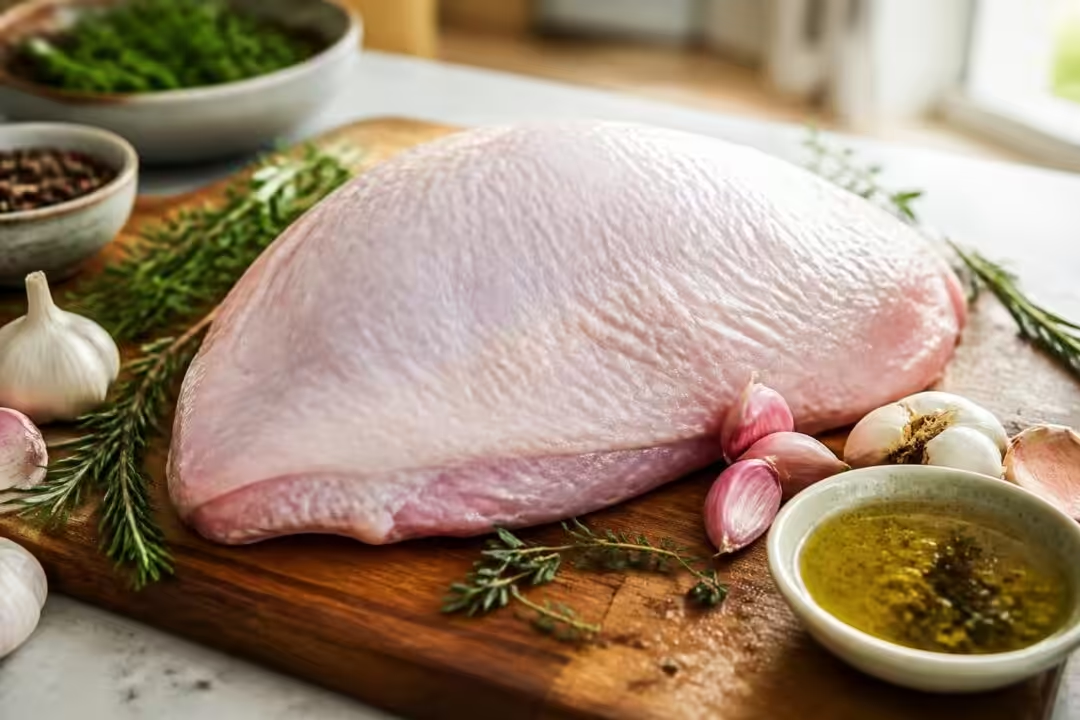
How to Prepare a Juicy Oven-Roasted Turkey Breast: Temperatures, Timing, and Technique
Preparing a turkey breast that emerges from the oven with crispy golden skin and succulent, tender meat demands attention to heat management, timing, and resting. A common professional trick is to start high to encourage browning, then reduce the heat to finish cooking gently. For example, searing at 425°F for the first 20 minutes followed by lowering to 350°F (175°C) helps achieve a crisp exterior without drying out the lean flesh. This two-stage roast mirrors methods used in many busy kitchens and adapts well to both bone-in and boneless breasts.
Choose a turkey breast size suited to the occasion: a 6–8 lb bone-in breast is ideal for small holiday gatherings, while a boneless half-breast suits weeknight dinners. The bone acts as a heat sink and tends to keep the meat juicier, so if a fast cook is needed, boneless will shorten cooking time. The rule of thumb for the lower temperature portion is about 14–16 minutes per pound for bone-in pieces, but a meat thermometer is the only reliable guide: pull at 160°F internal temperature in the thickest part, then rest until it stabilizes near 165°F while the juices redistribute.
Begin by patting the skin dry to remove surface moisture that prevents browning. Rub a light coat of oil under and over the skin and distribute seasonings evenly. When loosening the skin from the meat, slide fingers gently between skin and flesh: this creates a pocket for herb butter and aromatics, ensuring flavor penetrates without burning on the surface. Place the breast skin-side up in a deep roasting pan or on a rack to allow air circulation; a shallow pool of broth or water in the pan will catch drippings for gravy and create a humid microclimate that reduces surface drying.
Resting is non-negotiable. After removing the bird from the oven, tent loosely with foil and allow at least 15–30 minutes of rest. This pause gives time for muscle fibers to relax and the juices to redistribute, so each slice remains moist. Carving too early forces precious juices onto the cutting board. For consistent presentation and portioning, slice across the grain in thin, even strokes; for a bone-in breast, remove the bone first and then slice.
An illustrative case: a neighborhood catering team called Blue Hearth Kitchen adapted this method for a small 2026 holiday pop-up. By pre-roasting at high heat to crisp the skin, then finishing at a lower temperature, the team achieved consistent yields across different kitchen stations. Turnover time and portion control improved, and customers repeatedly praised the balanced seasoning and moist texture. This demonstrates the value of a repeatable thermal strategy and the importance of equipment calibration—ovens, especially in shared kitchens, can vary by up to 20°F, so use an oven thermometer where precision matters.
Practical checklist before roasting:
- 🧂 Pat dry and oil the skin to promote crisping.
- 🌿 Massage seasoning under the skin for deeper flavour.
- 🌡️ Start hot, finish moderate (425°F to 350°F).
- ⏱️ Use a thermometer — aim for 160°F before resting.
- 🫙 Rest 15–30 minutes before slicing.
Applying these steps ensures a reliably juicy roast every time and sets the stage for creative seasoning or alternative cooking methods described next.
Seasoning, Brining and Flavor Techniques for Turkey Breast: Herb Butter, Rubs and Brine Options
Flavor starts at the surface and travels inward by two main routes: mechanical (massaging under the skin, injecting) and chemical (brining, dry-salting). a simple, effective approach uses a compound butter tucked beneath the skin: soften butter, mix with chopped rosemary and thyme, garlic powder, onion powder, paprika, and a pinch of cayenne, then press it between skin and flesh. This melts during roasting and bastes the meat from inside, adding richness and savory depth without increasing fat on the plate.
For those who prefer a brine, it remains an excellent tool to add moisture and seasoning. A basic wet brine combines water, kosher salt, sugar, and aromatics such as bay leaves, peppercorns, and citrus peels. Brine times vary: a 6–8 lb breast benefits from 8–12 hours in a refrigerator; longer brining risks a spongy texture and overly salty finish. Alternatively, a dry brine—rubbing kosher salt and spices on the exterior and refrigerating uncovered overnight—draws moisture out then back in, concentrating flavor and improving skin crispness.
Below is a practical seasoning mix adapted for a 6–8 lb turkey breast. Measurements are adjusted for a single roast and designed to be flexible for home cooks:
| Ingredient 🍗 | Amount 🧂 | Purpose 🌿 |
|---|---|---|
| Olive oil 🫒 | 2 tbsp | Helps spices adhere and promotes browning |
| Paprika 🌶️ | 2 tsp | Color and mild smoky flavor |
| Garlic powder 🧄 | 1 tsp | Umami and depth |
| Onion powder 🧅 | 1 tsp | Sweetness and savory base |
| Cayenne 🔥 | ½ tsp | Heat—optional |
| Salt & pepper 🧂 | 2 tsp salt, 1 tsp pepper | Essential seasoning |
For a more modern twist—appealing in 2026 kitchens—swap half the olive oil for rendered turkey fat or brown butter for a nutty depth. Alternatively, try injecting a seasoned broth into thicker parts of the breast for immediate internal seasoning; this works well when brining time is limited.
Examples and anecdotes: a small bistro in 2026 implemented a dry-brine overnight and discovered the skin crisped quicker under the same oven settings, saving 10–15 minutes of cook time and improving plate turnaround. Conversely, a holiday pop-up relying on boneless breasts chose a gentle wet brine and then a compound-herb butter under the skin; guests remarked on the pronounced herb aroma and silky texture.
When seasoning ahead, allow at least 12–24 hours for flavors to meld. If time is tight, massaging the spice mix directly into the meat and under the skin still yields excellent results. Final chef tip: shield breast skin with foil if it browns too fast, and always baste pan juices into a gravy for a glossy, flavorful finish. The takeaway: choose the seasoning technique that suits the schedule—dry brine overnight for convenience and crisp skin, or compound butter for an immediate boost in richness.
Alternative Cooking Methods for Turkey Breast: Air Fryer, Slow Cooker, Grill and Instant Pot
While oven-roasting is the classic method, contemporary kitchens favor flexibility. Each alternative cooking method offers unique advantages depending on time, equipment, and desired texture. The air fryer, popular in 2026 as a countertop staple, delivers exceptionally crisp skin on smaller turkey breasts or split portions. For a 2–4 lb boneless breast, set the air fryer to 360°F and cook for 25–35 minutes, flipping halfway; use a thermometer to reach 160°F internal temperature.
The slow cooker suits hands-off planning: place a seasoned breast on a bed of onions and carrots with ½ to 1 cup of broth and cook on low for 3–4 hours for boneless, or 4–5 hours for bone-in pieces. The low, moist heat yields tender slices but sacrifices skin crispness. To rescue texture, transfer the breast to a hot oven or broiler for 5–10 minutes before serving to re-crisp the skin.
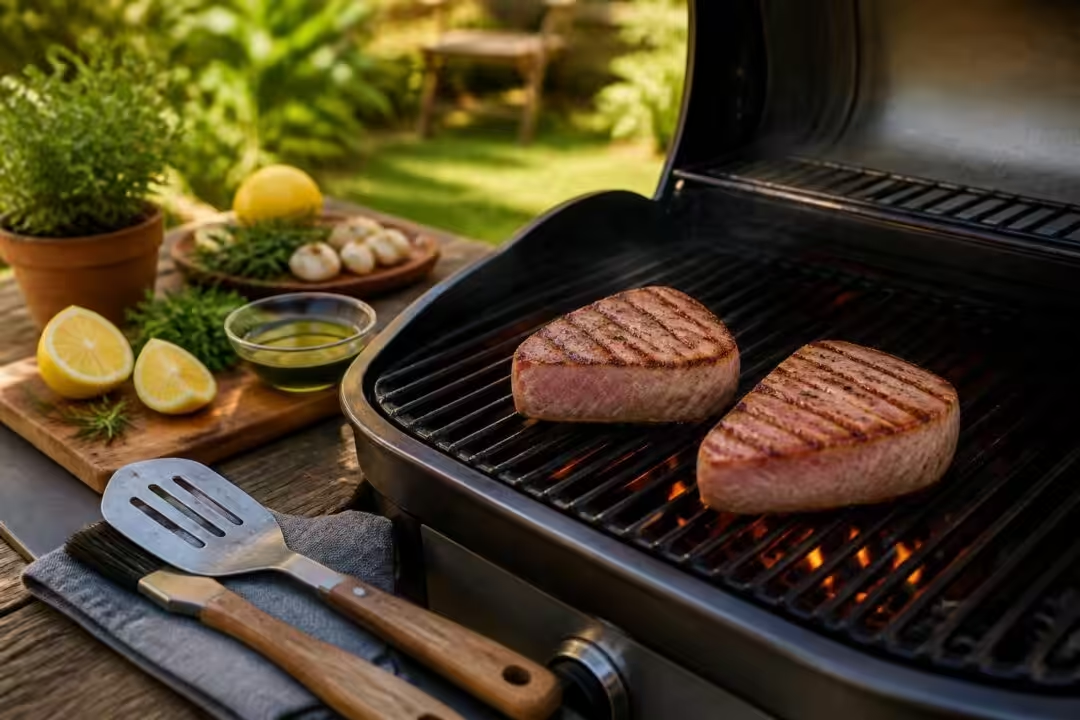
Grilling adds smoky complexity and is excellent for spring and summer menus. Use indirect heat for bone-in breasts: sear skin-side down over direct heat for 4–6 minutes, then move to indirect medium heat and close the lid, cooking until the breast registers 160°F. Wood chips like apple or hickory enhance the profile. For maximum success, consider brining beforehand to preserve juiciness on the drier environment of a grill.
Pressure-cooking or the Instant Pot offers speed, delivering tender results in under an hour. Place the breast on a trivet above 1–1½ cups of liquid, seal, and cook on high pressure for 25–30 minutes for a 6–8 lb bone-in piece; allow natural release for 10–15 minutes. The caveat: pressure cooking yields moist meat but no crust; a quick broil post-release solves that.
Comparative pros and cons can guide method choice:
- 🔥 Air Fryer: rapid crust, best for smaller pieces; watch for uneven cooking on large breasts.
- ⏳ Slow Cooker: effortless tenderness but no crisp skin; finish under broiler if needed.
- 🔥 Grill: smoke and char complement turkey, great for seasonal menus; requires indirect heat skill.
- ⚡ Instant Pot: time-efficient for braised-style meals; follow with oven crisping.
An anecdote from a food truck collective: switching to air fryers for individual turkey breast sandwiches increased throughput and improved texture consistency during peak lunch hours in 2026. The team could produce evenly crisp portions without occupying large ovens, demonstrating how method selection aligns with operational needs.
When adapting oven recipes to alternative methods, maintain internal temperature targets and adjust cook times conservatively. Always rest the meat after cooking, regardless of technique. The insight: match the method to the menu—choose air frying for crisp handhelds, slow cooking for shredded preparations, grilling for seasonal feasts, and pressure cooking when speed matters most.
Serving, Slicing and Pairing Ideas for Turkey Breast Meals: Sides, Gravies and Presentation
Presentation and pairing elevate a turkey breast from satisfying to memorable. The roasted breast pairs beautifully with classic, comforting sides such as creamy mashed potatoes and silky turkey gravy made from pan drippings. For more global influence—reflecting diverse 2026 palates—pairings like Gomen Wat (Ethiopian collard greens) or spiced roasted sweet potatoes provide vivid contrasts in texture and flavor.
Carving technique matters: after the recommended rest, place the breast skin-side up on a cutting board. If bone-in, remove the bone carefully to allow even slices. Slice across the grain in uniform strokes, approximately ¼-inch thick for sandwiches or ⅛-inch for plated service that requires delicate presentation. Spoon pan juices or a simple gravy over slices to add gloss and moisture.
Suggested side dishes and pairings (with emoji cues):
- 🥔 Garlic mashed potatoes — creamy base that soaks up gravy.
- 🥣 Turkey gravy with drippings — essential for richness.
- 🍠 Oven-roasted sweet potatoes — sweet balance to savory meat.
- 🥬 Gomen Wat (Ethiopian collard greens) — bold, garlicky accompaniment.
- 🌿 Quick sautéed green beans with bacon — vibrant crunch and smoky notes.
For sauces beyond traditional gravy, consider a light pan jus with white wine and thyme, or a bright chimichurri for grilled breasts—these alternatives highlight different aspects of the turkey’s flavor and suit contemporary menus. When planning portions, a boneless 6–8 lb breast typically serves 6–8 adults when paired with sides; bone-in portions may yield slightly less meat per pound due to the bone weight.
Nutritional considerations are part of meal planning. A typical serving of roasted turkey breast contains approximately 304.5 kcal, with high protein (~58.8 g) and modest fat (~7.4 g). These characteristics make turkey breast an attractive option for protein-focused diets and lighter holiday menus in 2026, when many diners seek balanced plates that pair lean proteins with nutrient-dense sides.
Styling tips for service: slice before plating for family-style meals or present the whole roast for a centerpiece effect, then carve at the table for theatre. Use herb sprigs and a drizzle of glossy pan juices for an inviting finish. The final insight: pairing and plating should complement the turkey’s texture—choose sides that either absorb jus or provide contrasting crunch for interest.
Common Mistakes and Advanced Chef Tricks for Perfect Turkey Breast Every Time
Even experienced cooks can fall into predictable traps when roasting turkey breast. The most frequent errors include overcooking (leading to stringy, dry meat), insufficient seasoning, and impatience at the resting stage. Prevent these by relying on temperature rather than time alone: an instant-read thermometer in the thickest part is the authoritative signal. Aim to remove the breast at 160°F and rest until the carryover heat raises it to the safe serving range.
Advanced tricks used by chefs refine texture and amplify flavor. Greasing under the skin with seasoned butter or oil is a simple pro move that improves both mouthfeel and visual appeal. Another is seasoning the meat up to 24 hours ahead for depth. If the skin is browning too fast, tent with foil to protect it while the interior finishes; this avoids the surface burning while the centre remains undercooked.
Here is a troubleshooting table to quickly address common issues, with emoji cues for quick scanning:
| Problem ❗ | Likely Cause 🔍 | Fix ✅ |
|---|---|---|
| Dry meat ☀️ | Overcooking or no rest | Remove at 160°F, rest 15–30 min; use thermometer |
| Burning skin 🔥 | High heat, sugars in rub | Tent with foil, lower oven to 350°F |
| Bland flavor 😶 | Under-seasoned or no under-skin fat | Season 12–24 hrs ahead, use herb butter under skin |
For ambitious cooks, sous-vide offers bulletproof internal doneness with an opportunity for a finishing sear. Set sous-vide to 145–150°F for moist texture, then sear skin-side in a hot pan or broiler for crisping. Injection methods—using a seasoned stock syringe—deliver quick internal seasoning when brining is not practical.
Operational tips from professional kitchens: avoid opening the oven door frequently, as this lengthens cook time and causes uneven heat. Calibrate ovens annually; a 10–20°F discrepancy is not uncommon and affects results. When feeding a crowd, cook multiple breasts in separate pans rather than jamming a single oversized roast into a crowded oven; this improves air circulation and consistency.
Finally, keep a small notebook of experiments—temperatures, times, and seasoning changes—and use it to refine the method seasonally. A kitchen team that tracks variables consistently will produce repeatable, high-quality results. The concluding insight for this section: small technical adjustments—thermometer discipline, under-skin fat, and measured resting—unlock reliably perfect turkey breasts every time.

Hi, I’m Landon Brooks. I am the editor-in-chief of Cook and Design, but for the first decade of my working life I was actually a product designer in New York.