Discover Ken Ayars and Rhode Island’s Culinary Renaissance: A Quiet Architect of Change
Rhode Island’s food identity has always been bigger than its geography. The state’s tight coastline, working harbors, and patchwork of small farms create a culinary rhythm that feels intimate yet surprisingly ambitious. Behind that rhythm, Ken Ayars stands out as a steady, decades-long force—less a headline-chaser and more a builder of conditions where chefs, farmers, and fishers could thrive. That behind-the-scenes influence is exactly what makes him a “visionary” in the most practical sense: someone who makes the future easier for other people to execute.
Ayars’ public service stretched across 39 years with Rhode Island’s Department of Environmental Management, including a long tenure leading the Division of Agriculture and Forest Environment. In that time, the state saw local food evolve from a niche passion into an everyday option. Restaurants could call a farmer directly, schools could source closer to home, and community organizations could build distribution models that didn’t collapse at the first sign of disruption. The transformation was not a single program; it was a layered ecosystem engineered through patient collaboration.
In conversations about food systems, people love to name a single hero. Ayars consistently resisted that narrative, pointing instead to coalitions: nonprofits, municipal partners, legislative allies, and producers who knew what their communities needed. Yet the pattern is clear. When a new idea emerged—an online marketplace, a culinary incubator, a grant program, a dock access plan—Ayars was often the person who translated it into state-level action without turning it into bureaucracy. That ability to remove friction is a kind of culinary leadership that rarely gets celebrated, even though it shapes what ends up on the plate.
To make that impact tangible, imagine a fictional but familiar Rhode Island character: Maya, a line cook in Providence with a grandmother’s chowder recipe and a dream of bottling a seafood base using local shellfish. Maya isn’t short on talent; she’s short on predictable supply, licensing clarity, and startup capital. In the Rhode Island Ayars helped cultivate, Maya finds not one solution but several: access to an incubator kitchen, farmers markets with expanded product allowances, and a growing network that treats local sourcing as normal rather than exotic. The culinary scene becomes less about luck and more about infrastructure—quietly revolutionary.
That infrastructure also supports Rhode Island’s unusually dynamic producer landscape. The state’s farmland is famously expensive, which would normally discourage newcomers. Yet USDA census data has shown Rhode Island with the highest share of new farmers—about 41.4% with 10 or fewer years of experience—an eyebrow-raising statistic that signals a deeper truth: if land is hard, then support systems must be strong. Mentorship, market access, and responsive policy can offset barriers that money alone cannot fix.
To understand why the culinary scene felt the ripple effects, it helps to see Ayars not as a food celebrity but as an enabler of everyday excellence. When chefs can buy Rhode Island poultry processed under USDA standards, when fishers can dock affordably, when families can access fresh produce without traveling across the state—those are conditions that reshape what restaurants dare to cook and what communities can afford to eat. The next sections move from vision to mechanisms: markets, grants, incubators, fisheries, and resilience under pressure. The insight that anchors it all: food culture is built as much in meeting rooms and working docks as it is in dining rooms 🧭.
How Ken Ayars Expanded Farmers Markets and Local Food Access Across Rhode Island
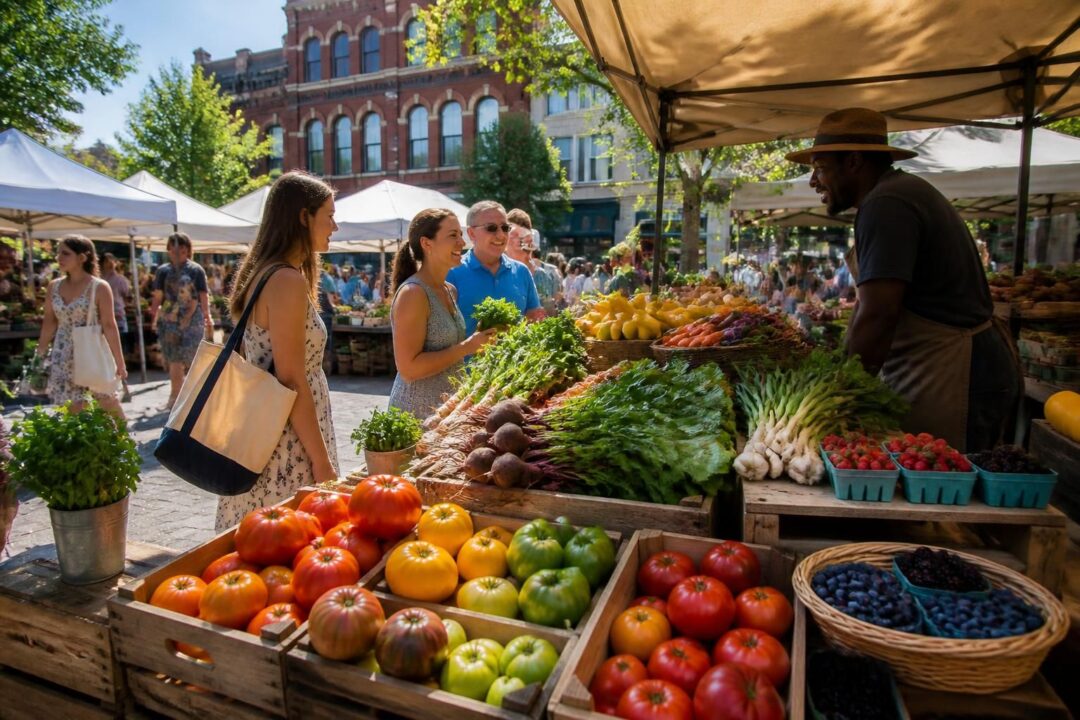
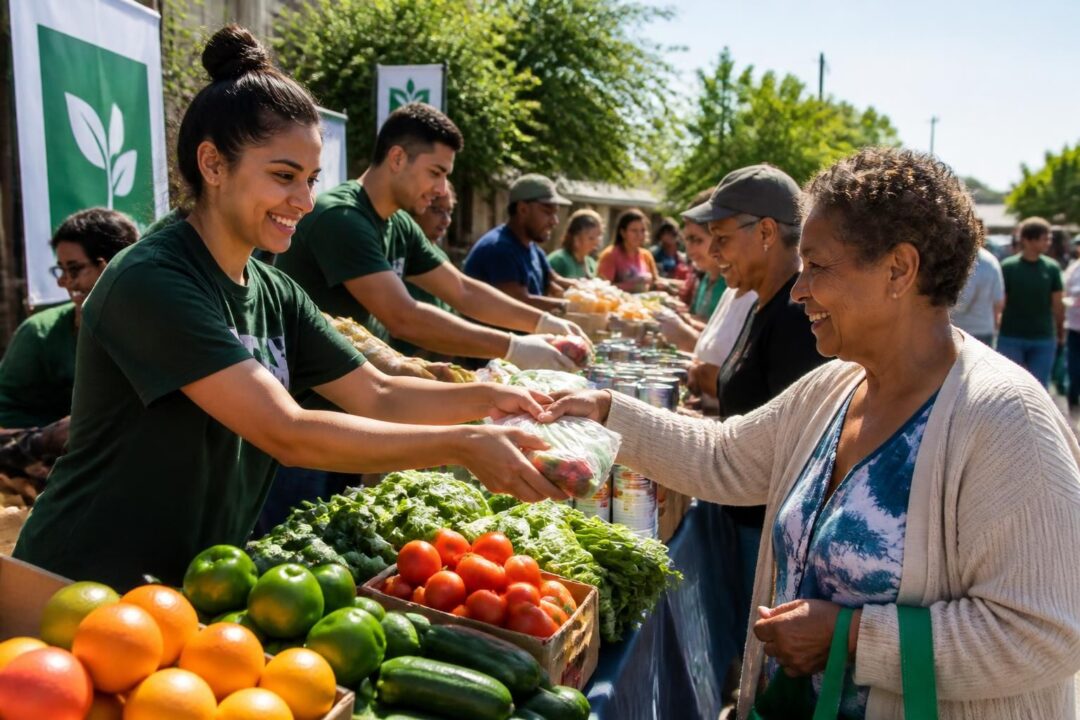
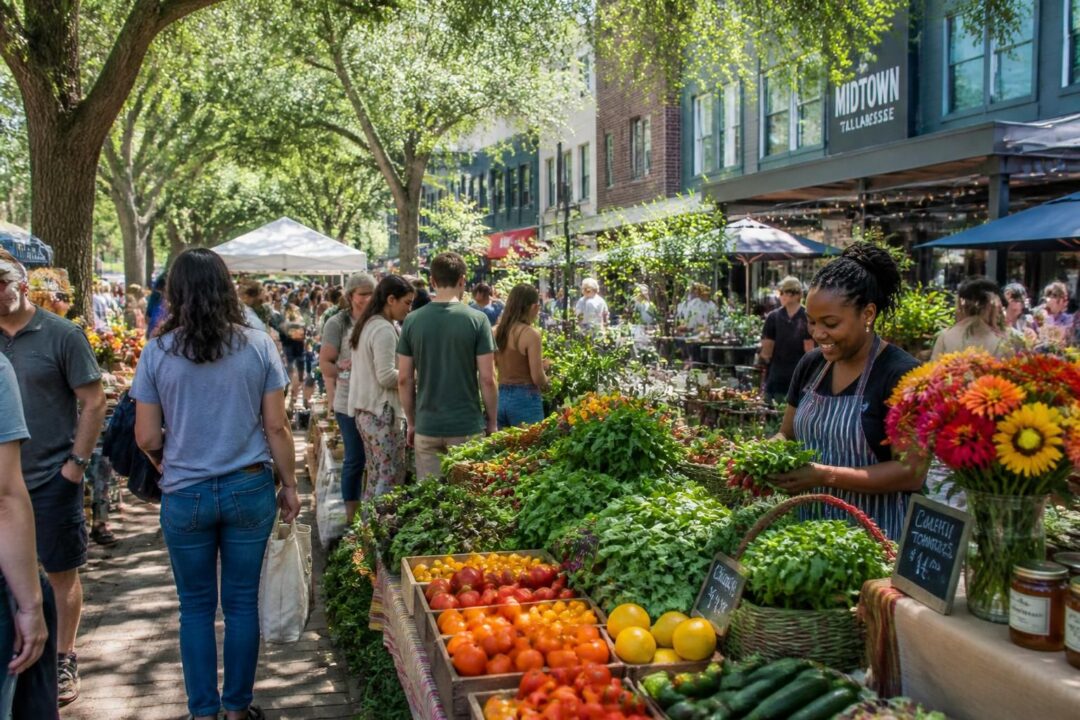
Farmers markets can look quaint—tents, chalkboards, baskets of basil—but their true power is structural. They create a reliable “front door” to local food for consumers and a predictable revenue stream for producers. One of the clearest measurements of Rhode Island’s shift is the market count itself: roughly six markets about two decades ago grew to an estimated 50 markets statewide—a scale change that alters daily shopping habits, not just weekend plans. That growth didn’t happen by accident; it followed years of advocacy, policy adjustments, and coordination among health regulators, municipalities, and producer groups.
Ayars’ role in this expansion is often described as quiet pressure applied in the right places. For example, vendors once faced restrictions that limited what could be sold at markets, particularly when it came to higher-risk products like meat and seafood. Those rules were typically framed as consumer protection, but they could also freeze small farms out of the most valuable categories. By pushing for workable pathways—clearer requirements, feasible compliance, and respectful negotiation—state leadership helped change what markets could offer. The result was not only more variety for shoppers, but more income for farms trying to move beyond razor-thin margins.
Consider the example of a diversified livestock operation like Pat’s Pastured in East Greenwich, known for managing multiple species and building on-farm capacity such as a USDA-inspected processing facility. For farms like this, market access is not a side hustle; it’s the bridge between responsible husbandry and real-world sales. When rules evolve to allow properly handled meat and fish at markets, farmers can sell higher-value goods directly to the community. That puts cash flow into the hands of operators who might otherwise be forced into wholesale prices that don’t reflect their costs.
Farmers markets also shape culinary creativity in a very direct way. A chef planning a weekly menu can walk a market and see what’s abundant: overwintered greens, early strawberries, scallops landed that morning. The menu becomes responsive rather than theoretical. It’s also where relationships form fast. A cook who buys fennel from the same grower all season starts learning how that farm works—what weather harmed the crop, what varieties taste best, when a field will be replanted. Those details end up as flavor decisions, not just sourcing trivia.
Practical moves that made local markets more than a trend
While consumers see the market canopy, producers experience the logistics: permits, cold storage, transport, and payment systems. Rhode Island’s market boom benefited from a culture of partnerships where state agencies and nonprofit operators aligned rather than competed. The state’s food ecosystem includes Farm Fresh Rhode Island, widely recognized for connecting farmers to consumers and institutions. That kind of connector organization makes it easier for small farms to reach big buyers without losing their identity to a distribution label.
In real life, a chef might want to source “local” but can’t call ten different farms every week. When a connector aggregates product lists, streamlines ordering, and coordinates delivery, the chef’s job becomes feasible. That feasibility expands demand—and expanded demand justifies more production. It’s a feedback loop that starts with logistics, not marketing.
To keep this section grounded, here is a concise list of market-driven outcomes that become visible on the plate and in the community:
- 🛒 Better consumer access: neighborhood markets reduce travel barriers for fresh produce and locally harvested foods.
- 🥩 Higher farm earnings: allowing compliant meat and seafood sales boosts revenue beyond produce-only models.
- 👩🍳 Menu innovation: chefs can build weekly specials around peak-season abundance and hyper-fresh catch.
- 🤝 Direct relationships: trust forms between buyers and producers, improving forecasting and reducing waste.
- 🌱 Opportunities for new farmers: beginner producers can start small, test demand, and scale carefully.
Farmers markets are sometimes dismissed as lifestyle amenities. In Rhode Island, they function more like civic infrastructure—small, distributed nodes that support health, entrepreneurship, and cultural pride. The essential takeaway is this: when markets multiply and rules become workable, a local food economy stops being fragile and starts becoming normal 🥕.
To see how this market momentum intersects with broader culinary storytelling, it helps to explore how online marketplaces and institutional buyers entered the picture—an arena where Farm Fresh Rhode Island became especially influential.
Farm Fresh Rhode Island, Hope & Main, and the Ken Ayars Playbook for Culinary Entrepreneurship
Rhode Island’s culinary rise is not only about what is grown or caught; it’s also about who gets to build a business. Two organizations symbolize that entrepreneurial layer: Farm Fresh Rhode Island and Hope & Main. Together, they show how an ecosystem can serve both ends of the supply chain—helping producers sell and helping makers launch. Ayars’ leadership shows up here not as branding but as a repeatable “playbook”: validate good ideas, find the right public financing tools, and protect the mission from administrative drag.
Hope & Main, founded in Warren and later expanding into Providence, has become a nationally noted culinary incubator. Its impact is measurable: it has helped launch more than 500 food businesses. That number matters because it represents not merely startups, but second chances and community-rooted ambition—bakers who outgrow home kitchens, sauce makers who need licensing support, caterers who want to hire locally. In a small state, 500 businesses is not a statistic; it’s a reshaping of what Main Street tastes like.
Ayars was present in the early days when Hope & Main needed to align its vision with federal lending frameworks. One of the more creative hurdles was that USDA loan programs can be tied to community definitions and town size, meaning a project’s location can affect whether it qualifies. The success came from understanding how to frame the incubator as a community resource—because it truly was. That kind of public-sector fluency is invisible to diners, but it determines whether a brilliant food idea becomes a licensed product or stays a dream.
Case study: from recipe to retail shelf without losing local soul
Return to the earlier fictional chef, Maya. She develops a bottled seafood base using underutilized local fish and wants to sell it at markets and small groceries. Without an incubator, Maya faces expensive build-out costs, complex safety requirements, and confusing scaling decisions. In an incubator model, Maya can rent a certified kitchen, learn labeling compliance, and test small batches with real customers. If demand grows, the business can graduate into its own facility without skipping steps that protect public health.
This is where Farm Fresh Rhode Island’s marketplace logic becomes a second engine. When an online ordering system connects farms to restaurants and institutions, it trains buyers to trust local supply chains. Over time, that trust extends to value-added goods like Maya’s base. Restaurants are more willing to buy local products when ordering is predictable and delivery is coordinated. The ecosystem turns “local” into a procurement habit rather than a romantic preference.
Ayars’ support is often described by peers as consistent and constructive—an attitude that matters when entrepreneurs are already taking risks. Leaders who worked closely with him have highlighted his dependable temperament: not flashy, not territorial, but responsive. That tone sets expectations across the network. When public agencies treat partners with respect, partners are more willing to share data, align calendars, and co-design programs.
LASA grants and the missing middle of food business financing
Entrepreneurs frequently get stuck between two worlds: too small for banks to take seriously, too big for friends-and-family funding to cover equipment. Rhode Island’s Local Agriculture and Seafood Act (LASA) grants were designed to address that “missing middle.” The program supports farm and seafood development, marketing, and infrastructure in ways that can unlock growth without demanding venture-scale outcomes.
In one recent grant round, 25 LASA grants totaling $450,000 were awarded in a single month—an example of how targeted funds can energize multiple corners of the food economy at once. A farm might use a grant for cold storage; a fisher might invest in handling improvements; a food maker might upgrade packaging for retail compliance. None of these moves are glamorous, yet each one increases resilience and competitiveness.
The entrepreneurial layer of Rhode Island’s food scene works because it blends creativity with systems thinking. Hope & Main teaches makers to scale with integrity. Farm Fresh Rhode Island makes procurement realistic. LASA grants provide catalytic cash. Ayars’ long-term contribution was repeatedly steering these elements toward mutual reinforcement rather than isolated success stories. The insight to carry forward: when entrepreneurship is treated as infrastructure, culinary talent stops leaking out of the state 🚀.
The next angle goes even deeper into equity and access: how land, immigrant farming, and community food hubs widened who gets to produce food—not just who gets to buy it.
Urban Edge Farm and Immigrant Agriculture: Ken Ayars’ Blueprint for Land Access and Food Equity
Rhode Island’s local food story would be incomplete without acknowledging the people who arrived with deep agricultural knowledge but lacked one essential ingredient: land. Many immigrant growers come from rural backgrounds where farming is not a hobby; it’s a lived skill set. In the U.S., the barrier often isn’t competence—it’s access. Ayars helped advance a model that treated land access as a public good, not a private luxury, using state capacity to purchase property while relying on community organizations to operate it effectively.
A defining example is Urban Edge Farm in Cranston. In the early 2000s, the state acquired the farm and structured a long-term relationship with the Southside Community Land Trust, leasing the land for a symbolic rate (often cited as $1 per year). The point wasn’t the dollar; it was the signal. The state could secure the asset with bond funds, but it did not pretend it could run farm businesses better than farmers. That division of roles—public acquisition, community stewardship, farmer entrepreneurship—created a template other regions study.
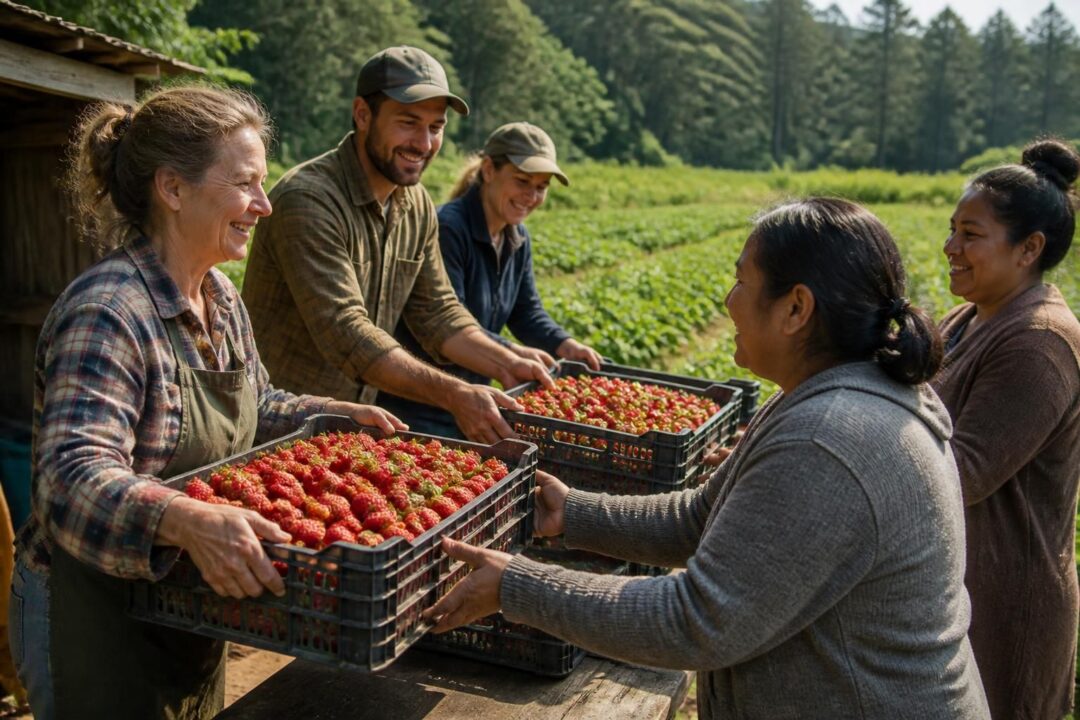
Today, the site’s output illustrates why the model matters. The farm supports 26 farmers operating 18 farm businesses on roughly 28 acres, producing around 300,000 pounds of food per year. Those are not boutique quantities. That volume can feed neighborhoods, supply cultural staples, and stabilize availability for food hubs serving communities that have historically been under-resourced.
Food hubs, aggregation, and why distribution is the equity lever
Even when farmers can grow, a second barrier appears: distribution. Small producers can’t always deliver across multiple cities, especially when juggling day jobs, family responsibilities, and thin margins. a food hub changes that equation. At Urban Edge, farmers can drop off goods that are aggregated and distributed to communities including parts of Providence and nearby cities where food insecurity is a daily reality. The hub becomes a bridge between production and need, reducing the logistical tax that often punishes small-scale growers.
Heated greenhouses extend the season, which matters in New England where winter can erase local supply. Extending the season does more than increase revenue; it increases consistency for families relying on fresh produce. It also supports chefs who want to keep local ingredients on menus beyond summer. Season extension is, in effect, a culinary permission slip: it allows restaurants and institutions to plan with fewer gaps.
Leaders at Southside Community Land Trust have spoken plainly about the economics: it can cost more to grow food than many families can afford to pay. That is not a moral failure; it’s a structural gap shaped by labor costs, land prices, and climate. Federal nutrition and agriculture systems exist in part to help close that gap, but local organizations still have to do the last-mile work—translating funding into actual produce on a table. Ayars was repeatedly described as reliable in that mission, showing up when programs needed alignment and when partners needed the state to move quickly.
A practical framework: who does what in a working local food ecosystem
Rhode Island’s land-access model succeeds because responsibilities are clear. The following table summarizes the ecosystem roles that keep projects like Urban Edge functional over time.
| Role in the system | Who often leads | What it unlocks |
|---|---|---|
| 🏛️ Land acquisition & protection | State agencies using bond tools | Long-term access without speculative pricing pressure |
| 🤝 On-the-ground stewardship | Community land trusts / nonprofits | Farmer support, leasing structure, accountability to mission |
| 🌿 Food production | Immigrant and local farmers | Culturally relevant crops and steady local supply |
| 📦 Aggregation & distribution | Food hubs and partner networks | Efficient delivery into food-insecure neighborhoods |
| 🍽️ Culinary utilization | Chefs, schools, institutions | Menus and meals that reflect local seasonality and identity |
Urban agriculture is sometimes framed as symbolic. In Rhode Island, it is operational and productive, a real contributor to regional food flow. The deeper lesson is that equity in the culinary scene starts long before the kitchen—it starts with who can access land, infrastructure, and distribution 🌍.
From there, the story naturally moves to the water: fisheries, working waterfronts, and the programs that ensured seafood stayed part of Rhode Island’s everyday diet, not a luxury item.
Rhode Island Seafood, Working Waterfronts, and Ken Ayars’ Support for Commercial Fisheries
Rhode Island’s culinary scene is inseparable from the ocean. Yet a vibrant seafood culture requires more than fish in the water; it requires docks that remain accessible, policies that treat fishers as essential workers, and programs that translate harvests into community nourishment. Ayars’ influence extended into this maritime dimension, where keeping commercial fishing viable became part of protecting the state’s broader food identity.
One crucial lever is coastal property ownership. When public entities own or control key working waterfront sites, they can keep dockage and access fees from soaring to purely market-driven rates that squeeze out locals. That approach recognizes an uncomfortable truth: in desirable coastal areas, waterfront real estate is under constant pressure to become something else—luxury housing, private marinas, or seasonal amenities. Once working docks disappear, they rarely return, and the culinary scene loses a core ingredient pipeline.
Rhode Island’s stewardship of key sites has helped maintain that footprint. For example, state control of a pier in Newport has supported leasing arrangements that are more affordable than typical market rates, preserving access for commercial operators. In the East Bay, the state’s purchase of a marina in Tiverton in 2021 and subsequent redevelopment into a commercial fishing hub reflects the same strategy: keep the infrastructure aligned with the food system, not just tourism.
Seafood donation as proof that fisheries can feed communities
Support for fisheries isn’t only an economic story; it can also be a hunger-relief story. Leaders connected to Rhode Island’s Commercial Fisheries Center have described how fishers gained standing and practical assistance through state collaboration. The impact becomes startling when quantified: partners have distributed about 900,000 pounds of seafood over roughly 5.5 years through a seafood donation effort with nonprofit collaboration. That volume represents thousands of meals that carry not just calories, but cultural dignity—fresh local seafood offered as real food, not as an afterthought.
From a chef’s perspective, donation programs might seem separate from restaurant life. In reality, they shape the broader market. When fisheries remain financially and socially supported, they can invest in better handling, better cold chain practices, and safer operations. That raises quality across the board, which benefits chefs and consumers alike. A resilient working waterfront also creates training pathways for younger crew members, keeping knowledge alive in the next generation.
How seafood policy touches the dining room: a grounded example
Imagine a small bistro in Newport that wants to run a “Rhode Island Weeknight Supper” special—affordable, not precious. The chef wants a consistent supply of local fish that can be served at a price regulars can handle. That depends on more than the day’s catch; it depends on whether the harbor still hosts commercial boats, whether dock fees are manageable, whether landing infrastructure is maintained, and whether the state treats fishing as part of its food strategy rather than a relic.
In this way, Ayars’ fisheries work becomes culinary work. By supporting commercial fishing’s footprint, he supported the possibility of a seafood culture that is accessible. This matters culturally too: in a state where chowder, clam cakes, and fried whole-belly clams are part of shared memory, losing the working waterfront would mean losing a piece of collective identity.
Rhode Island’s food culture has always been a braid of land and sea. The essential insight here is that protecting fisheries infrastructure protects menu diversity, affordability, and community heritage all at once ⚓.
The next theme follows naturally: what happens when the system is stress-tested—when shelves go empty, supply chains wobble, and local networks have to prove they can deliver.
COVID-Era Resilience, LFPA Purchasing, and the Lasting Ken Ayars Impact on Food Security
A food system can look strong in normal times and still fail under stress. The COVID era provided a harsh, immediate test: grocery shelves thinned out, institutional meal programs had to adapt overnight, and vulnerable residents faced compounded barriers to getting fresh food. Rhode Island’s response showcased the value of having an interconnected local network already in place—and of having leaders willing to act decisively without waiting for perfect conditions.
Inside DEM’s agriculture leadership, colleagues have described Ayars’ approach during that period as intensely pragmatic: do whatever is possible, then do it quickly. That mindset matters when the problem is measured in missed meals, not delayed reports. Programs pivoted to move food from farms into communities through mechanisms like produce boxes—simple on the surface, complex in execution. Boxes require sourcing, packing space, labor coordination, transportation routes, and recipient communications. In a crisis, each link can snap unless someone is keeping the whole chain aligned.
One reason the pivot worked is that Rhode Island already had partners with complementary roles: nonprofits with community reach, farmers with product, and public agencies that could coordinate funding and compliance. The result wasn’t merely emergency relief; it created processes that improved long-term readiness. In other words, the crisis accelerated the state into a more resilient model rather than a temporary patchwork.
Local Food Purchasing Assistance (LFPA) and the “trickle-through” effect
Rhode Island emerged as a notable participant in the Local Food Purchasing Assistance (LFPA) model, which channels funds to buy produce, meat, and seafood from local farmers and commercial fishers, then distributes it to people who need it. The brilliance of LFPA is that it supports two goals at once: it strengthens local businesses while delivering fresher food to communities that are often offered only shelf-stable options.
The economic ripple is significant. When a farmer can count on institutional purchases, they can plan acreage, hire labor, and invest in tools. When a fisher has a reliable channel beyond volatile market pricing, they can maintain operations with more confidence. Those operational improvements increase overall supply reliability, which then benefits restaurants and markets during normal times. It’s not a top-down trickle-down; it’s a community-level trickle-through that moves stability across the system.
Forestry, climate stress, and why culinary resilience includes trees
Rhode Island’s food system does not exist in isolation from its forests. Forest health affects watersheds, soil stability, and the ecological balance that farms depend on. Over recent years, climate stress has made forests more vulnerable to invasive insects and other threats. Ayars’ work included pushing for expanded forestry investment—advocacy that resulted in millions of dollars directed toward rebuilding capacity. That matters to food because resilience is environmental as much as it is logistical.
A chef thinking about “local” might focus on tomatoes and oysters, but the deeper scaffolding includes healthy forests that moderate flooding, support pollinators, and protect the land from cascading ecological shocks. This is the kind of systems thinking that separates a temporary local-food boom from a durable local-food culture.
Carrying the model forward after a long tenure
By the time of Ayars’ retirement, Rhode Island’s food system faced new volatility: rising costs, uncertain grant cycles, and shifting federal priorities. Yet the state’s strength lay in the investments made over the previous 20 to 30 years—organizations, relationships, and operating habits that could survive even if a specific program was reduced. That is what lasting public service looks like: not a single signature initiative, but a set of durable capacities that others can use.
In practical terms, Rhode Island’s culinary scene can keep evolving because the ecosystem is now populated with experienced connector organizations, entrepreneurial pathways, and tested emergency distribution methods. Chefs can build menus that assume local sourcing is feasible. Farmers can plan with a wider set of sales channels. Fishers can point to working waterfront infrastructure as proof they belong. The final insight for this section is simple and forceful: resilience is not a slogan—it’s the ability to keep feeding people when everything gets complicated 🧩.
The real questions, no BS
Who is Ken Ayars and why should I care?
He spent nearly four decades at Rhode Island's Department of Environmental Management, leading the Division of Agriculture. He didn't seek the spotlight, but his work made local food accessible and profitable for everyone.
How did farmers markets grow so much in Rhode Island?
Ayars helped expand the market count from about 6 to an estimated 50 statewide. He focused on making them reliable 'front doors' for both consumers and producers.
What's the catch for new farmers in a state with expensive land?
High land costs normally hurt beginners, but RI offsets that with strong support systems. About 41% of farmers have 10 or fewer years of experience, thanks to mentorship, market access, and responsive policy.
Can someone like me start a food business in Rhode Island?
Absolutely. The ecosystem Ayars helped build includes incubator kitchens, expanded product allowances at markets, and a network that treats local sourcing as normal. It's designed to reduce luck and build infrastructure.
A question we missed? Ask it in the comments
Leave a comment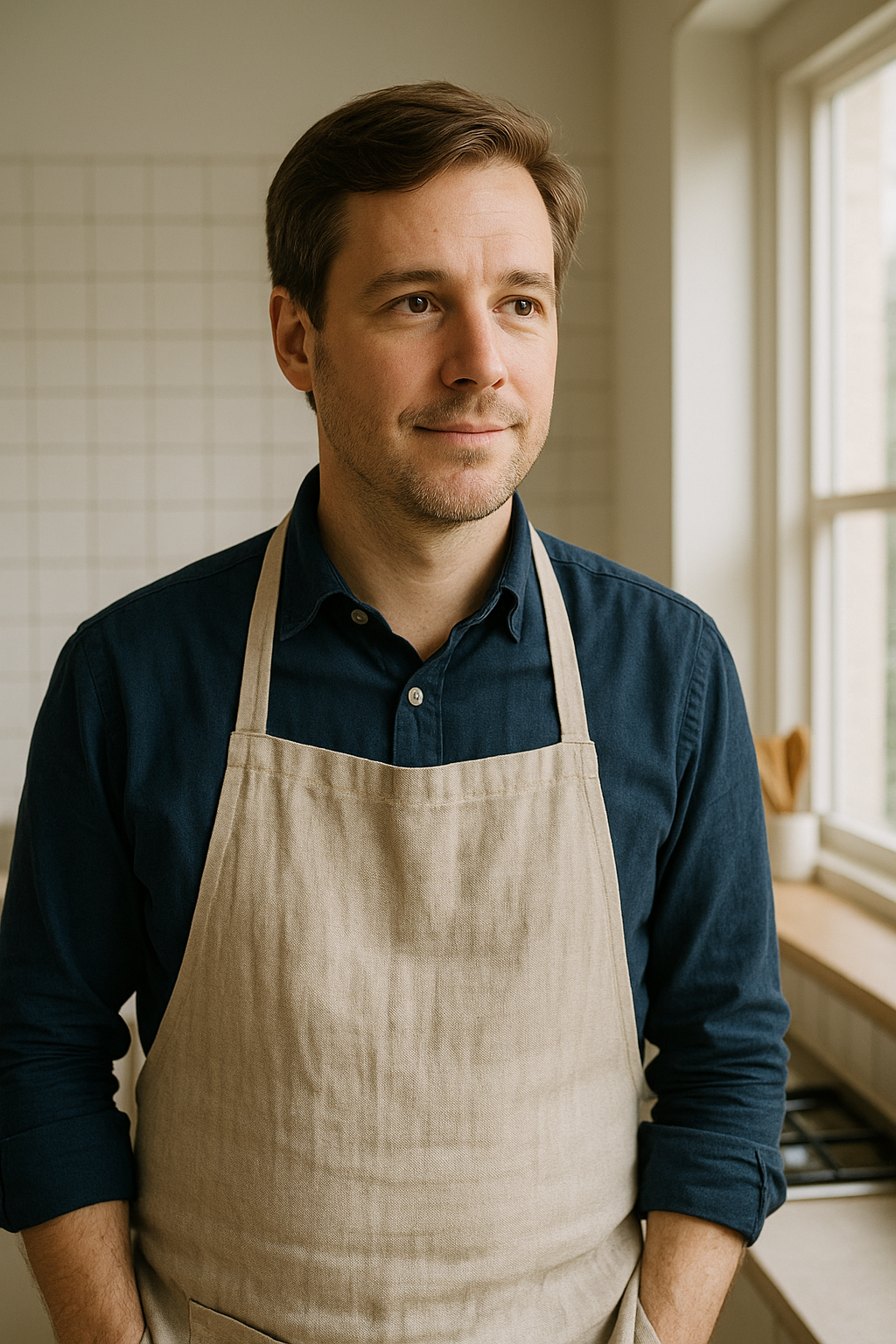
Hi, I’m Landon Brooks. I am the editor-in-chief of Cook and Design, but for the first decade of my working life I was actually a product designer in New York.