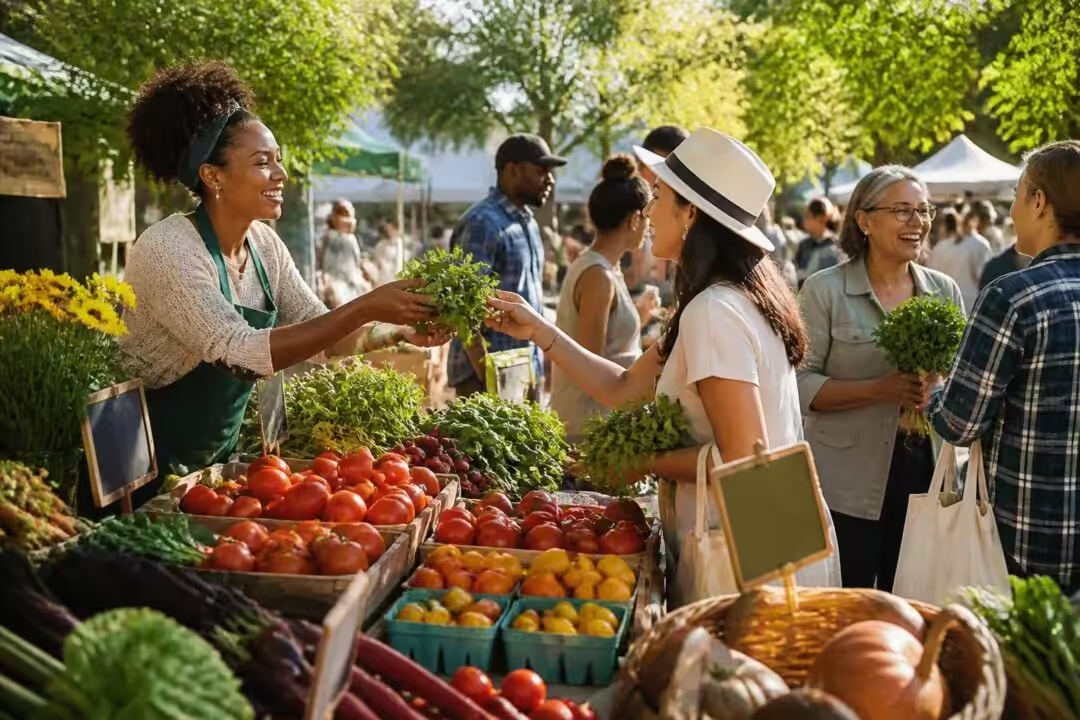
Farmers’ Market Blossoms in 2026: Fresh Harvests, Seasonal Flavor, and Community Spirit
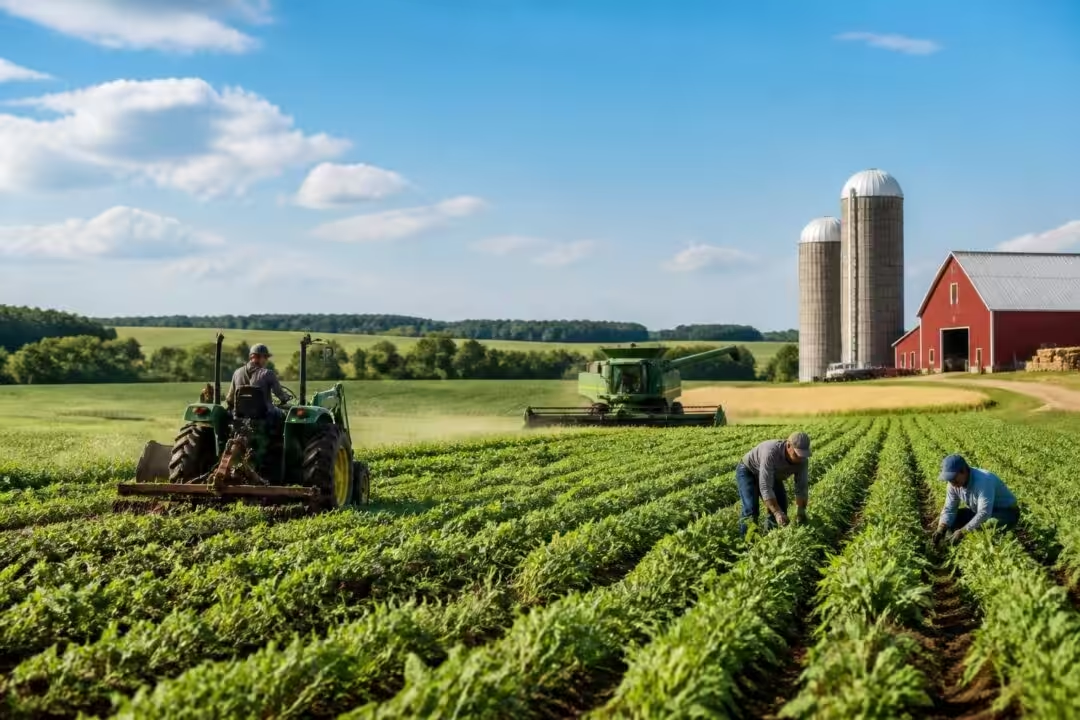
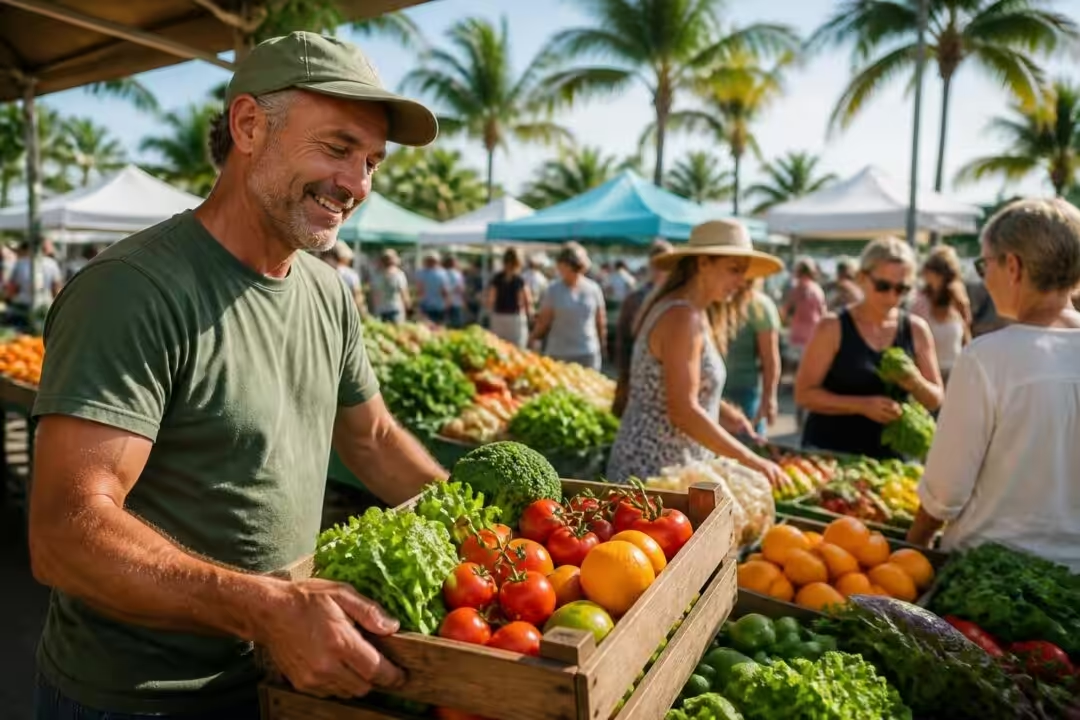
On a bright Saturday morning, the Midtown parking lot becomes a living pantry: pop-up tents, hand-lettered signs, and the crisp scent of herbs carried on a light breeze. Shoppers arrive early for the same reason cooks do—because the best ingredients are the ones that still feel like they belong to the field. The rhythm is familiar: bags unfolding, cash boxes clicking open, and neighbors exchanging quick updates while scanning crates of produce that look like they were staged by nature itself. This weekly ritual does more than fill fridges; it turns local agriculture into a shared experience 🥕.
Markets like the Warren farm and craft market—open Saturdays from 8 a.m. to noon—show how a small window of time can hold a surprisingly big impact. Roughly 19 vendors creates enough variety to build a full meal plan: greens for salads, tomatoes for sauces, flowers for the table, and small-batch foods that make breakfast feel intentional. When people show up close to opening, it is not only about beating the crowd. It is about catching produce at peak condition, when berries are unbruised, leafy greens are perky, and mushrooms still smell like clean earth.
A long-running vendor like Small Meadows Farm embodies what shoppers crave: clear provenance. Their approach is simple and strict—only what is grown on the farm is sold. There is no backfilling with wholesale goods, no “same-as-the-store” illusion. That promise changes how customers shop because it replaces guesswork with trust. In 2026, when consumers are increasingly label-literate and wary of vague claims, this kind of direct relationship feels like a relief.
The freshness advantage is not marketing fluff; it is measurable in texture and taste. When produce is harvested on Thursday or Friday and sold on Saturday, it behaves differently in the kitchen. Green beans snap instead of bending. Basil bruises less because it is still resilient. Strawberries perfume the whole bag rather than fading into sweetness without aroma. That difference helps home cooks waste less food, because ingredients stay usable longer and require fewer “rescue” techniques.
To make that contrast concrete, consider a cook planning a simple dinner for friends: pan-seared chicken, blistered green beans, and a tomato salad. With recently harvested beans, a two-minute sauté is enough to keep them bright. With tomatoes that were ripened on the plant and sold the next day, salt alone can pull out juices for a natural dressing. The market does not merely provide ingredients; it provides shortcuts to flavor 🍅.
Community is built in the small exchanges as much as in the shopping bags. A vendor recommends a variety of cucumber that stays crisp in the heat. A regular shopper points out which stall has the best bunches of dill for pickling. Someone new asks, “How do you store these?” and leaves with a technique they will use for years. The market functions like a public classroom where the curriculum is seasonal, practical, and delicious. The next section moves from the shopping experience to the people behind the tables—because the market’s spirit is inseparable from its growers and makers.
Meet the Growers: Vendor Stories That Power Farmers’ Market Blossoms and Trust
Every farmers’ market has its landmarks: the honey vendor with sun-bleached labels, the flower buckets that act like a compass, and the farm stand where the crates look freshly unloaded. Yet the real anchor is the people. In Warren’s market culture, a vendor like Carl Schultz of Small Meadows Farm represents continuity—someone who has participated for most of the market’s lifespan and still treats each Saturday as a promise to the community. That kind of longevity is not just tradition; it is quality control over time.
The phrase “we only sell what we grow” may sound simple, but it has big implications. It means a shopper can ask, “When was this picked?” and get a direct answer. It means the vendor’s reputation rises and falls with the weather, the soil, and the choices made on the farm—not with the purchasing power of a distributor. In a world of complicated supply chains, a short chain is a competitive advantage, and it is also a moral one. It says: the product has a face 👩🌾.
Freshness becomes a story shoppers can repeat. When customers learn that most items were harvested on Thursday or Friday, they start to plan around that fact. Some begin cooking “market-first” meals—recipes chosen only after seeing what looks best at the stall. Others build habits: Saturday is for crisp greens and salad vegetables; midweek is for pantry meals. This helps families budget and reduces the last-minute scramble that leads to takeout.
How returning vendors reshape the market: compact plants and small-space gardening
A market also evolves when familiar names return with fresh ideas. The Borden Family, back after years away, demonstrates how farmers’ markets are not limited to traditional produce. Their specialty—compact plants for people with limited space—answers a very 2026 problem: many residents want to grow something edible, but live in apartments, rentals, or homes with tiny yards. Instead of guilt-tripping would-be gardeners, these vendors hand them a doable solution: plants that thrive in pots on patios, balconies, and even sunny tabletops.
Mini peppers, mini tomatoes, and mini sunflowers look charming, but their value is practical. A compact tomato can produce enough fruit for weekday breakfasts without demanding a raised bed. A mini pepper plant offers color, crunch, and the satisfaction of harvesting something personally grown. These small-scale crops also invite children into the process: a kid watering a pot daily is more likely to try the pepper they helped raise. That is not just gardening; it is food education disguised as fun 🌻.
The Borden approach also reinforces a key benefit of the market: confidence about what is being purchased. When shoppers say, “You know what you’re buying,” they are talking about more than taste. They are talking about fewer preservatives, fewer unknowns, and fewer compromises. Even when local goods cost a bit more than store alternatives, customers often see the price difference as a trade: paying for flavor, transparency, and a stronger local economy.
To make that trade feel tangible, many shoppers create a simple rule: spend extra on items where freshness is most obvious—berries, herbs, tomatoes, lettuces—then balance the rest with staples from home. This strategy respects both budget and pleasure. The next section turns that strategy into a cook’s toolkit, focusing on how to shop the market with intention and turn a haul into meals that taste like the season.
Markets often share their energy online as well, helping new visitors know what to expect before they arrive.
Shopping Smart at Farmers’ Markets: Fresh Harvest Strategies, Budget Tips, and Flavor Wins
A thriving market can feel like abundance overload: piles of produce, bouquets, baked goods, and chats happening all at once. Smart shopping starts with a mindset shift—treat the market like a seasonal map, not a grocery list. Instead of hunting for one specific ingredient, it helps to scan what looks most vibrant and build meals around it. That approach is how chefs keep menus exciting, and it works just as well for home kitchens.
Arriving early matters, but not only for beating crowds. Early shopping often means access to delicate items that sell quickly: tender greens, small strawberries, or specialty mushrooms. It also gives time to talk with growers before the lines form. Those conversations can solve real kitchen problems: how to store basil without turning it black, how to ripen a melon on the counter, or how to revive greens in ice water. A market is one of the few places where purchasing and learning happen in the same moment 🧠.
A practical “chef-style” market plan that reduces waste
Many shoppers buy aspirational vegetables—then watch them wilt in the fridge. A chef-style plan prevents that. First, choose two “quick-use” items (like herbs and salad greens) and one “sturdy” item (like carrots, potatoes, or winter squash depending on season). Then add one wildcard ingredient that sparks creativity: unusual peppers, specialty tomatoes, or a new variety of apple. This keeps the basket exciting without becoming chaotic.
Next comes a small step that changes everything: decide, on the way home, which items will be used within 24 hours. That decision determines storage. Greens get washed and spun. Herbs go into a jar with water like flowers. Tomatoes stay on the counter. This simple triage can extend freshness by days, which translates into fewer thrown-away ingredients and more meals cooked at home.
Budget questions come up often, especially when shoppers notice that local produce can sometimes cost more than big-box alternatives. The best way to evaluate value is to compare not only price per pound, but price per serving of something truly enjoyable. A tomato that tastes like summer can turn a plain bowl of pasta into a satisfying dinner with only olive oil, garlic, and salt. That reduces the need for expensive add-ons and packaged sauces. In other words, quality can quietly subsidize simplicity 💡.
Below is a market-friendly checklist that keeps shopping focused while leaving room for discovery.
- 🥬 Pick a “foundation green” (lettuce, kale, spinach) for salads and sautés.
- 🍅 Choose a “star ingredient” that looks exceptional (heirloom tomatoes, peaches, berries).
- 🌿 Add one fresh herb to make meals taste restaurant-level with minimal effort.
- 🌶️ Include a “punch” element (peppers, onions, garlic) to build flavor quickly.
- 🌻 Consider a pot plant for ongoing harvests if space allows.
Many city markets also offer prepared foods, letting visitors taste the region’s creativity. A bite of a tamale, a gluten-free pastry, or a seasonal jam can inspire how to use produce at home. Those tastes become a kind of edible note-taking: “That peach goes well with chili,” or “Honey makes this melon sing.” The next section expands the lens beyond one town, showing how large markets—from neighborhood hubs to famous Los Angeles gatherings—express the same spirit at a different scale.
From Small-Town Stalls to Los Angeles Icons: Farmers’ Market Community Spirit Across Regions
Farmers’ markets speak a shared language, whether they unfold in a Midwest parking lot or on a sunlit boulevard in Los Angeles. The vocabulary includes early mornings, reusable bags, and the hum of conversation. What changes is scale and cultural texture. In LA, markets can feel like weekly festivals: a blend of farm stands, artisan foods, fresh flowers, and local characters. Yet the core promise is the same—direct access to growers and makers, with freshness as the headline 🥦.
Take the Hollywood Farmers Market, a well-known Sunday gathering that runs in the morning hours and draws both locals and visitors. It is a place where produce, nuts, dried fruits, and flowers share space with special events that turn shopping into a social plan. The market becomes a ritual: people schedule workouts, coffee meetups, and family walks around it. That cultural gravity mirrors what happens in smaller communities, where Saturday market hours shape the weekend.
Other LA-area markets are known for a distinctive “neighborhood living room” feeling. Markets in walkable areas—like those in village-style districts—encourage lingering. Visitors stroll, sample pastries, pick up seafood for dinner, and add a bouquet “just because.” The presence of flowers is not a side detail; it is part of what makes markets feel celebratory. Fresh-cut blooms are often grown nearby and handled gently, lasting longer than mass-shipped bunches. A cook planning a dinner party can grab produce and flowers in one stop, creating a table that looks as good as it tastes 💐.
What big-city markets teach smaller markets (and vice versa)
Large markets often excel at programming—chef demos, health workshops, cultural events, and partnerships with community groups. These activities attract first-time visitors who might not otherwise seek out local produce. A quick cooking demo showing how to turn peak tomatoes into a no-cook sauce can convert a skeptical shopper into a regular. Small markets, on the other hand, often excel at intimacy. It is easier to recognize faces, remember preferences, and notice when a regular is missing. That closeness creates accountability: vendors feel responsible for quality, and shoppers feel invested in the people behind the tables.
In 2026, one of the most useful bridges between markets of different sizes is searchable directories that help residents locate nearby markets and farm stands. This matters for travelers and also for new residents trying to “shop like a local.” A directory does more than provide an address; it helps people discover what kind of market they are walking into—flowers-focused, produce-heavy, artisan-centric, or a mix of all three. The easier it is to find a market, the more likely a family is to build it into their routine.
Even with different backdrops, successful markets share a common approach to trust. Shoppers want to know whether eggs are from a small flock, whether jam is made in small batches, and whether produce is truly local. Markets that encourage questions—rather than treating them as inconvenient—build loyalty. When a vendor explains harvest timing or how a plant will perform in a pot, that knowledge becomes part of the purchase.
The next section zooms in on how to turn those purchases into meals and habits that strengthen community ties—because cooking is where market spirit becomes something tangible at the table.
For a broader sense of what a large, high-energy market looks like, a tour-style video can help set expectations for timing, crowds, and vendor variety.
Cooking the Market: Fresh Harvest Meal Ideas and Traditions That Build Community
Buying market ingredients is only half the story. The real transformation happens when those ingredients become meals that people talk about, repeat, and share. A creative cook knows that farmers’ markets offer a shortcut to depth: ripeness, aroma, and texture that require fewer tricks. The best market meals often look simple on paper, yet taste layered because the ingredients carry their own complexity. That is why a bowl of sliced tomatoes with salt can feel like a revelation when the tomatoes were harvested yesterday 🍅.
One of the most community-minded habits is the “market meal exchange.” Neighbors who shop the same market can trade small portions: a handful of basil for a few extra peaches, or a jar of jam for a bouquet. This kind of informal barter is not about saving money; it is about turning food into relationship. It echoes older traditions—front-porch trades, garden sharing, and potluck culture—updated for modern schedules.
Three market-based menus that work for real life
1) The Saturday Lunch (fast, bright, and low-effort) 🥗. Start with greens, slice mini tomatoes, add cucumbers, and finish with a simple dressing: olive oil, vinegar, and a spoon of local honey. If there are berries, toss a handful in. The sweet-savory contrast makes the bowl feel intentional, not just “healthy.” Pair it with bread or a pastry from an artisan stand for a meal that feels like a treat.
2) The Weeknight Dinner (one pan + one bowl) 🍳. Roast or sauté a sturdy vegetable—green beans, zucchini, or peppers—alongside a protein. Build a raw side salad with herbs and whatever is crisp. The trick is to keep herbs as the finishing move, not a garnish. A shower of chopped dill or basil can make a basic dinner taste like it came from a bistro.
3) The Sunday Project (make something that lasts) 🫙. Use peak produce for a longer-life staple: quick pickles, tomato jam, or a freezer sauce. This is where the Thursday/Friday harvest timing shines, because ingredients start strong. A simple freezer sauce—blended tomatoes, garlic, olive oil, and herbs—can be portioned and used later when schedules get hectic.
Small-space plants from vendors like the Borden Family add a different kind of continuity. A mini pepper plant on a balcony produces incremental harvests that encourage cooking in small, frequent bursts. Instead of waiting for a big grocery trip, a cook grabs a few peppers, chops them into eggs, or stirs them into rice. That pattern leads to less waste and more “fresh moments” during the week.
Markets also strengthen local identity through craft and celebration. Flowers and plants do this visually—turning kitchens into small seasonal galleries. A bunch of sunflowers on the counter can change how a home feels. That matters because community spirit is not only a social concept; it is an atmosphere people carry back to their streets and buildings.
To keep the market-to-table connection clear, the table below maps common market finds to practical uses and storage cues. Small choices—like storing herbs correctly—protect the value of every purchase.
| Market Find | Best Use 🍽️ | Storage Tip ✅ | Why It Feels Special ✨ |
|---|---|---|---|
| Thursday/Friday-picked greens 🥬 | Salads, quick sautés | Wash, dry well, store with a towel | Stays crisp longer, tastes “alive” |
| Heirloom-style tomatoes 🍅 | No-cook sauces, caprese, sandwiches | Keep on the counter, not the fridge | Sweetness and aroma beat blandness |
| Fresh herbs 🌿 | Finishing, dressings, marinades | Jar with water like flowers | Turns simple meals into bold ones |
| Compact patio plants 🌻 | Ongoing mini-harvests | Sun + consistent watering | Builds confidence for new gardeners |
| Market bouquets 💐 | Table setting, gifting | Trim stems, change water often | Brings “market joy” home immediately |
When a market becomes a source of both ingredients and ideas, it stops being a weekly errand and starts acting like a local heartbeat—one that feeds kitchens and friendships at the same time.

Hi, I’m Landon Brooks. I am the editor-in-chief of Cook and Design, but for the first decade of my working life I was actually a product designer in New York.